

All Content
Welcome to the Institute for the Study of States of Exception (ISSE) main content page, a single source for all posts from the Institute, including commentary on global events, book reviews, academic literature, links to our podcasts, and additional resources. Check back regularly for more content from us.
“Sovereign is he who decides the exception.”
— Carl Schmitt (Political Theology: Four Chapters on the Concept of Sovereignty, 1922)
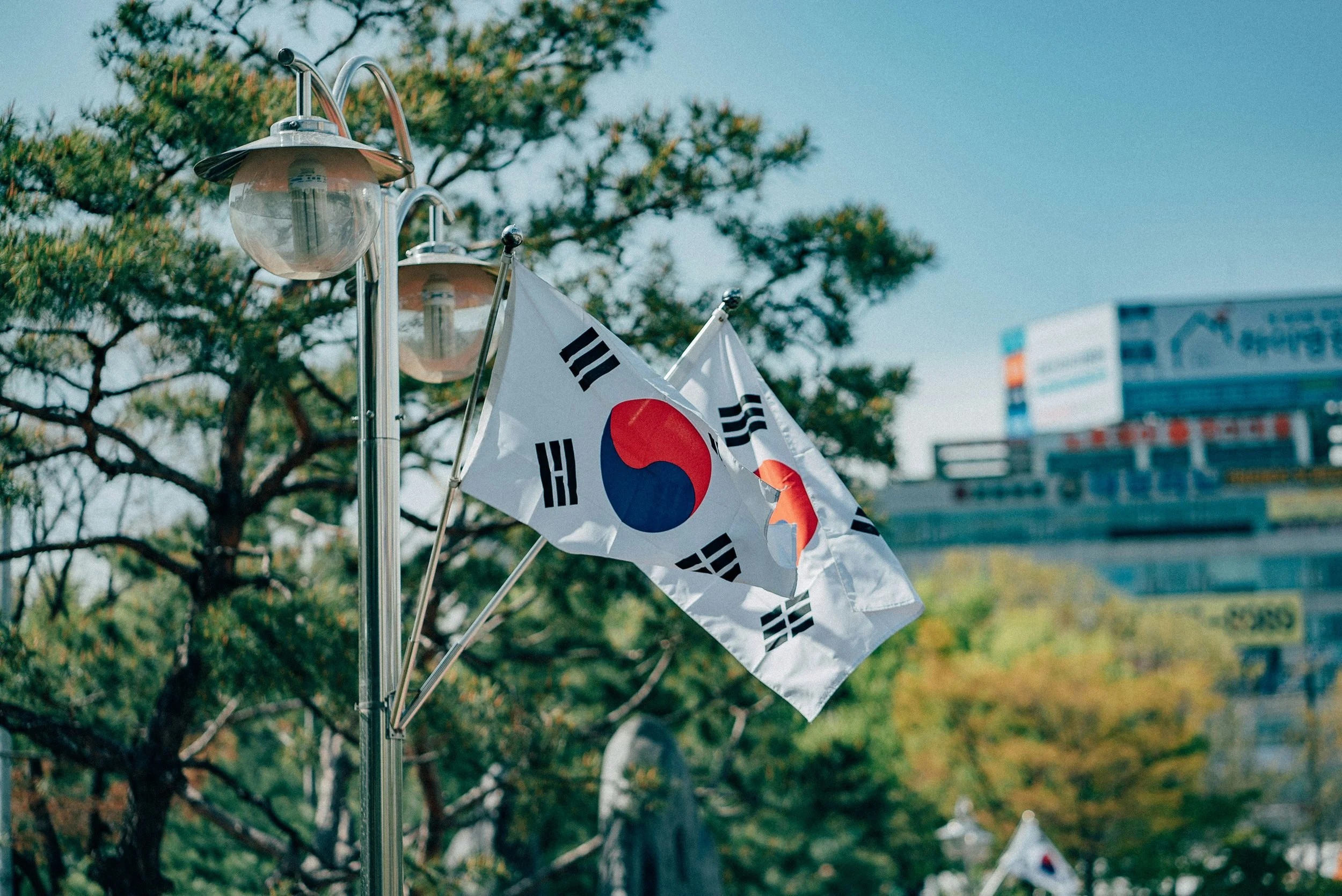
Populism through the case of South Korea under President Yoon Suk Yeol's administration (2022 – 2025)
Beginning with President Yoon Suk Yeol's failed December 2024 martial law declaration, this article examines how populist movements can evolve from constitutionally constrained forms of political leadership into more radical efforts to override democratic institutions through extraordinary executive powers. The study highlights the relationship between populist crisis narratives, emergency authority, and democratic resilience, demonstrating how constitutional institutions can both constrain and ultimately reverse exceptional exercises of executive power.
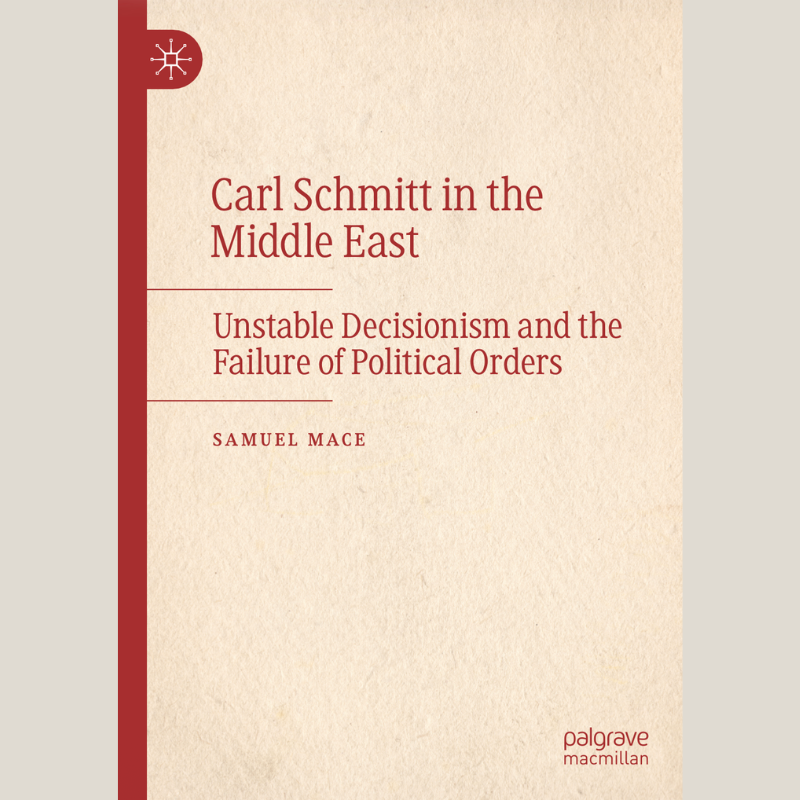
Carl Schmitt in the Middle East: Unstable Decisionism and the Failure of Political Orders - Samuel Mace
In this new book, ISSE Senior Fellow Samuel Mace critically examines Carl Schmitt's theory of decisionism through the political experience of the modern Middle East, arguing that regimes built upon exceptional authority often generate long-term instability rather than durable political order. The book offers a significant contribution to the study of states of exception by reassessing one of the twentieth century's most influential theorists of emergency power while illuminating the practical consequences of decisionist governance.

Delhi Renews Preventive Detention Authority Under India's National Security Act
As of July 7, 2026, Indian authorities have renewed the delegation of preventive detention powers under the National Security Act, allowing designated officials to order detention without ordinary criminal charges during a period of heightened political sensitivity following nationwide protests. The case illustrates how extraordinary executive powers can be exercised through standing statutory authorities rather than formally declared constitutional emergencies, highlighting an increasingly important form of embedded exceptionality within ordinary governance.

Can Péter Magyar Restore Hungary’s Democracy?
Following Péter Magyar's decisive electoral victory over Viktor Orbán, Kim Lane Scheppele examines the formidable legal and institutional obstacles to restoring constitutional democracy after sixteen years of executive consolidation, institutional capture, and prolonged emergency governance. The article explores the challenge of de-exceptionalization—the difficult process of dismantling entrenched systems of exceptional governance and rebuilding democratic institutions capable of resisting future authoritarian relapse.
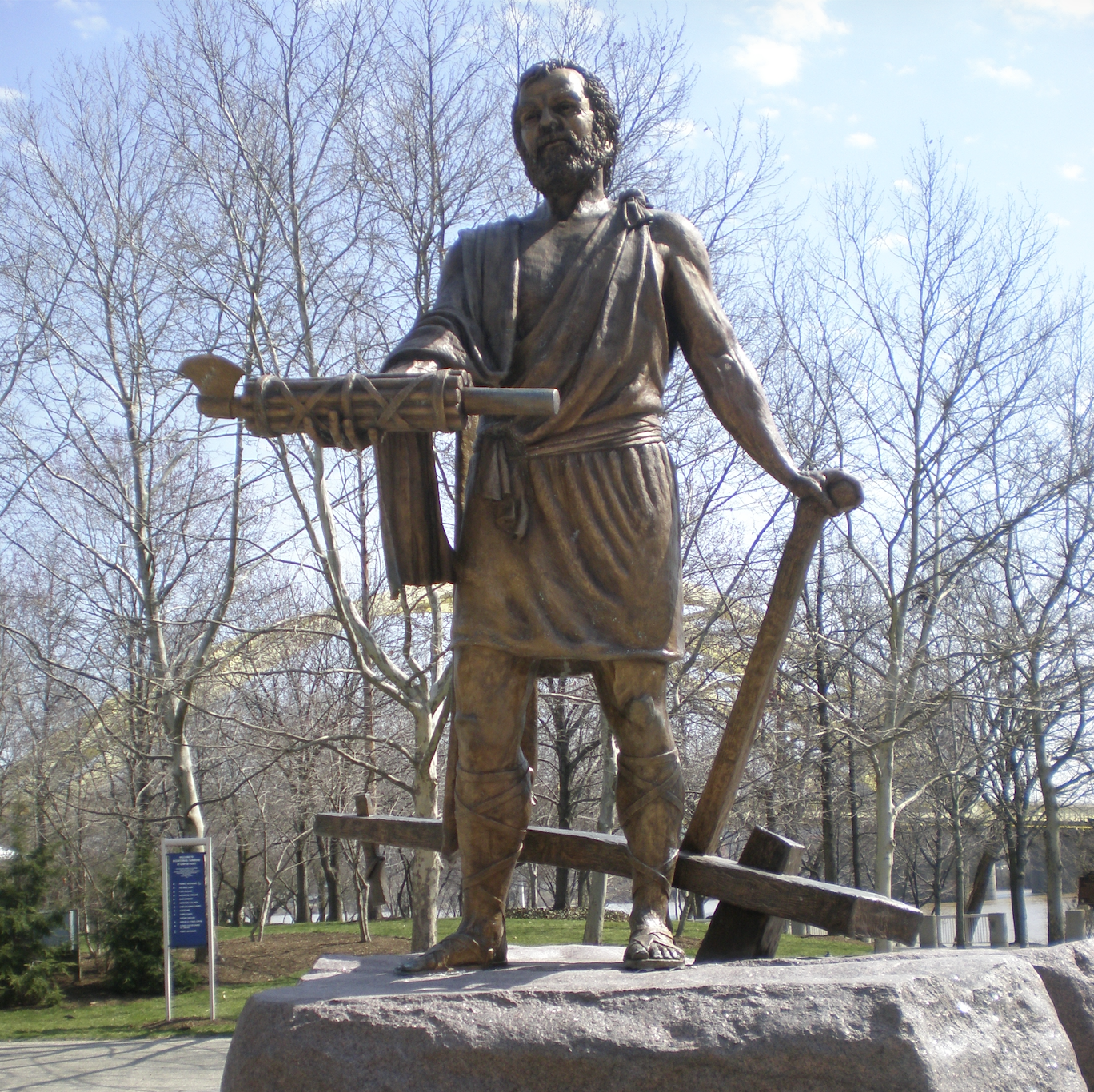
Cincinnatus and the Constitutional Ideal of Temporary Power
The Roman statesman Cincinnatus has long symbolized the constitutional principle that extraordinary powers should be exercised only when genuinely necessary and relinquished once the crisis has passed. His enduring legacy illustrates one of the oldest and most important safeguards of constitutional government: that emergency authority derives its legitimacy not only from necessity, but from its temporary character.

EMERGE: Rethinking Emergency Across Europe Through Legal History
The EMERGE Project at Ghent University examines how emergency powers have shaped European constitutional orders, legal institutions, and political cultures over the past century, challenging the assumption that emergencies leave no lasting constitutional legacy. The project demonstrates how exceptional governance can become embedded within ordinary legal systems, offering important historical context for understanding the evolution and normalization of emergency powers today.

Competing Perspectives on the Unitary Executive Theory - American Enterprise Institute
In this discussion hosted by the American Enterprise Institute, John Yoo, William Galston, and Ilya Somin examine competing constitutional theories of executive power, separation of powers, independent agencies, war powers, and the original understanding of Article II against the backdrop of major Supreme Court cases concerning the unitary executive. The panel explores enduring questions about the constitutional limits of presidential authority and how competing interpretations of executive power continue to shape American constitutional governance.

Urban Governance of the Displaced and Emergency Rules
Drawing on case studies from Vienna, Austria, and Nusaybin, Turkey, Ayşe Çaglar examines how emergency laws governing displaced populations reshape authority between municipal and national governments, often expanding executive control over urban governance long after an immediate crisis begins. The article demonstrates that emergency powers frequently transform not only the governance of displaced populations but also the institutional distribution of authority itself, creating durable changes in how cities, states, and executive power interact.

The Danger of Democratic Backsliding in East Asia
Beginning with South Korea’s failed December 2024 martial law declaration, which was rapidly reversed through legislative resistance and public mobilization, Christopher Carothers argues that Japan, South Korea, and Taiwan remain resilient democracies while exhibiting distinct warning signs of erosion: overcentralized power in Japan, severe polarization in South Korea, and sustained Chinese interference in Taiwan. The article shows both how democratic institutions can withstand an acute abuse of emergency power and how quieter patterns of norm violation, institutional manipulation, and partisan control can continue to weaken constitutional governance over time.
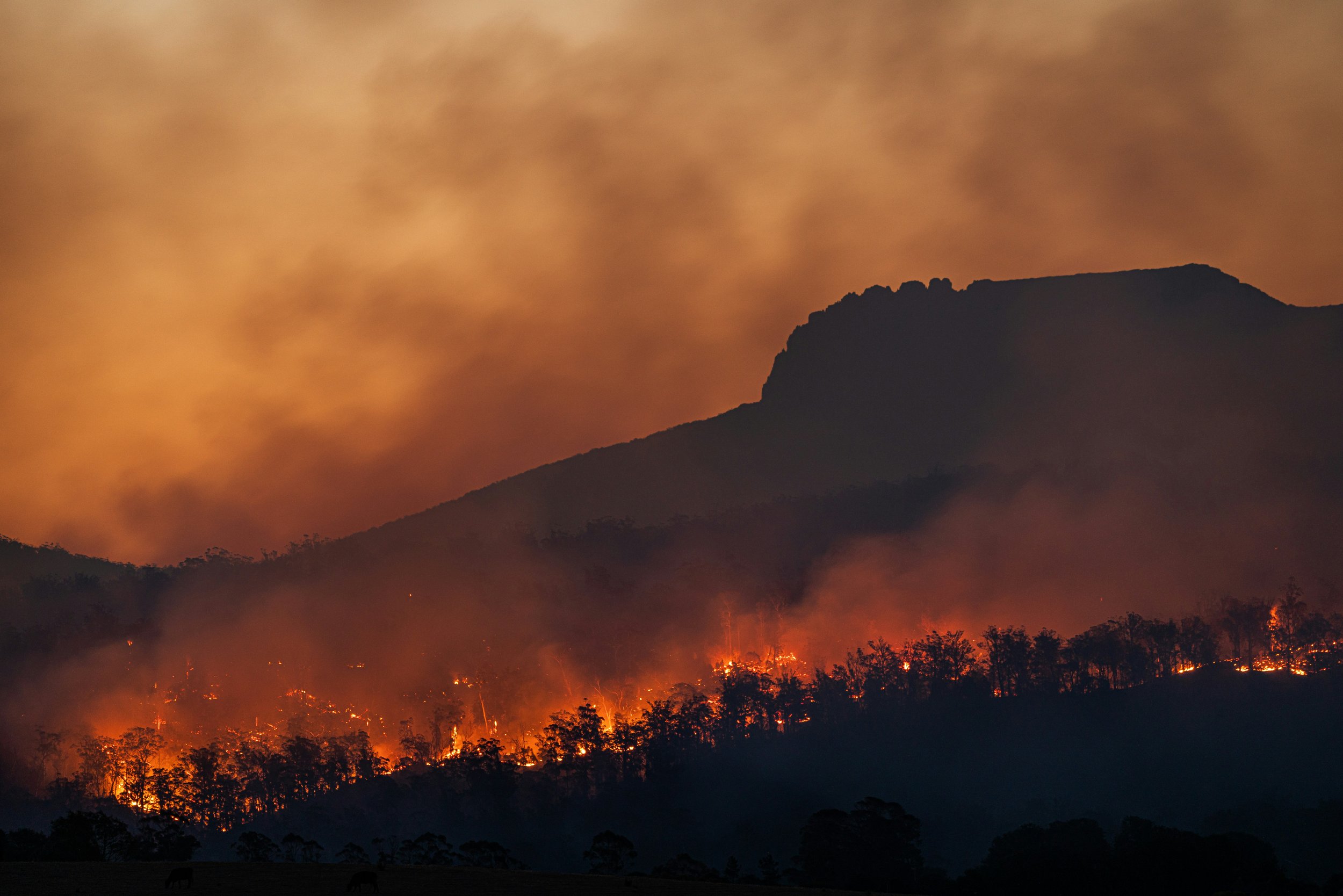
Spain Activates National Civil Protection Emergency for Major Wildfires
On July 23, 2026, Spain activated an Emergency of National Interest for the first time in response to a wildfire crisis, temporarily centralizing national coordination of disaster response as fires spread across multiple autonomous communities during an intense heat wave. The declaration illustrates how democratic governments can reallocate operational authority through existing statutory emergency frameworks while leaving the constitutional order and ordinary civil liberties intact, highlighting an increasingly important model of emergency governance in an era of climate-driven disasters.
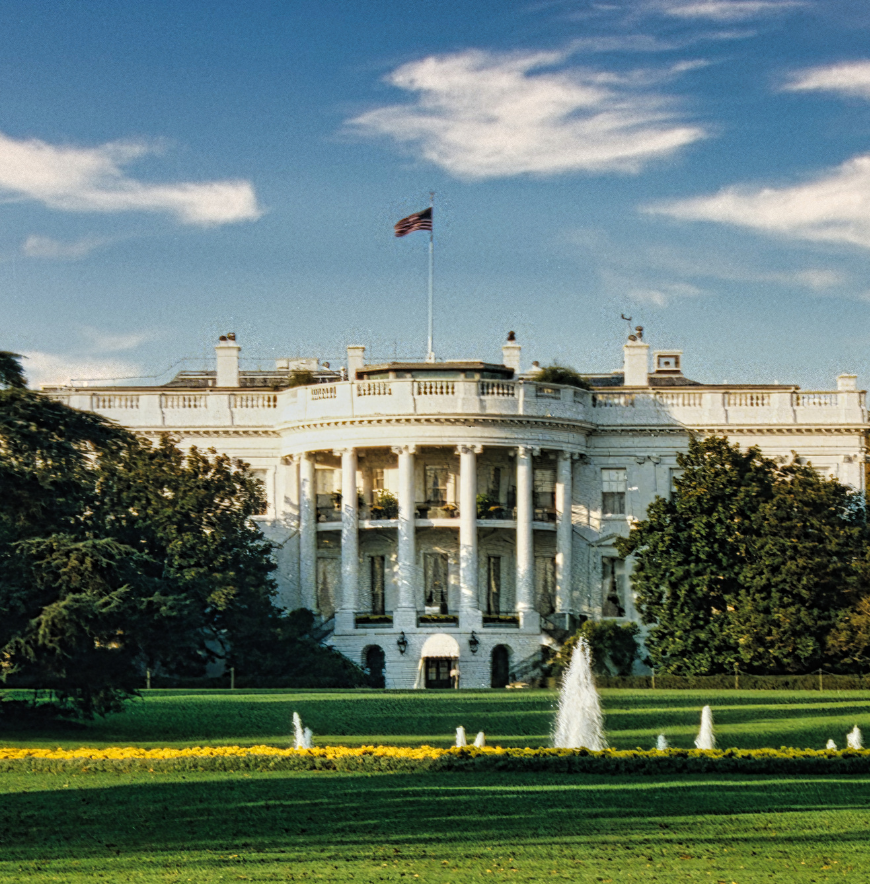
United States Invokes Tariff Act Emergency Authority to Facilitate Moroccan Phosphate Fertilizer Imports
On June 29, 2026, President Trump invoked a little-known emergency authority under the Tariff Act of 1930 to temporarily suspend certain trade remedies on phosphate fertilizer imports from Morocco in response to global supply disruptions affecting American agriculture. ISSE examines this rarely used statutory emergency mechanism and explains how it differs from broader national emergency declarations, illustrating the growing role of sector-specific emergency powers in addressing supply chain and economic crises.

The Supreme Court is Moving More Cases into the Shadows - Brennan Center
This analysis by Ashleigh Maciolek at the Brennan Center for Justice examines the Supreme Court's increasing reliance on its emergency, or "shadow," docket, noting that for the first time the Court resolved more substantive matters through expedited emergency procedures than through its traditional merits docket. Particularly relevant to ISSE's work, the article raises broader questions about how institutional procedures originally designed for exceptional circumstances can gradually become normalized within ordinary constitutional governance.
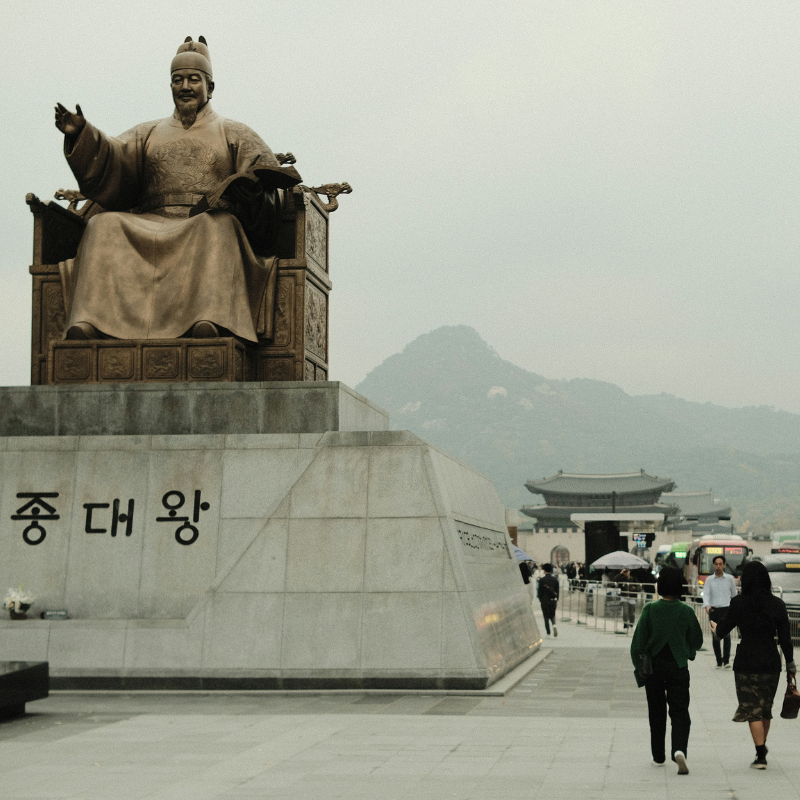
South Korea Sentences Former Justice Minister for 25 Years, Continuing Accountability Effort Following Failed December 2024 Martial Law Declaration
Former Justice Minister Park Sung-jae was sentenced to 25 years in prison for his role in former President Yoon Suk Yeol’s failed December 2024 martial law declaration, marking another significant step in South Korea’s effort to hold senior officials accountable for the misuse of emergency powers. The case highlights how constitutional democracies can use judicial processes to reinforce democratic accountability, restore constitutional order, and deter future abuses of extraordinary authority.
The Supreme Court's (Self-Defeating) Supremacy
In this provocative essay, Stephen Vladeck argues that a defining feature of the Roberts Court’s emergency docket jurisprudence has been an effort to preserve and reinforce the Supreme Court’s institutional supremacy, often at the expense of lower courts and Congress while enabling expansive exercises of executive authority. The article raises broader questions about whether exceptional authority can become concentrated within judicial institutions as well as executive ones, and how the normalization of extraordinary power across multiple branches of government may affect democratic accountability, institutional legitimacy, and the constitutional balance of power.

Russian Occupation Authorities Declare State of Emergency in Crimea
Russian-installed authorities in occupied Crimea have declared a regional state of emergency following sustained Ukrainian strikes on energy infrastructure and military logistics. ISSE examines the declaration through the lens of international humanitarian law, exploring how emergency powers operate under military occupation and why this case differs fundamentally from emergencies declared by sovereign governments.

We Condemn, Therefore We Recreate Modi's India and the Shadow of the Emergency 1975
Shruti Gokhale conceptualizes nostalgia as a political technology rooted in the condemned and traumatic legacy of India's 1975 Emergency. She argues that the BJP's public condemnation of the Emergency paradoxically reproduces its governing logics, allowing the unresolved violence of the past to persist as an active force shaping contemporary governance.

Interring the Unitary Executive
The President’s power to remove and control subordinate executive officers has sparked a constitutional debate that began in 1789 and rages on today. Leading originalists claim that the Constitution created a “unitary executive” President whose plenary removal power affords her “exclusive control” over subordinates’ exercise of executive power. Text assigning the President a removal power and exclusive control appears nowhere in the Constitution, however, and unitary scholars have instead relied on select historical understandings and negative inferences drawn from a supposed lack of independent regulatory structures at the Founding. The comprehensive historical record introduced by this article lays this debate to rest...

Venezuela Declares Nationwide State of Emergency Following Devastating Earthquakes
On June 24, 2026, Venezuela declared a nationwide state of emergency following the most destructive earthquakes to strike the country in more than a century. ISSE examines the legal authorities invoked, the distinction between disaster-related and governance emergencies, and why even well-justified emergency powers should remain proportionate, transparent, and temporary.

Presidential Discretion and the Insurrection Act - Lawfare
In this Lawfare essay, George Croner examines recent court decisions addressing presidential authority to federalize the National Guard and considers what those rulings may mean for future invocations of the Insurrection Act, arguing that courts retain a critical role in reviewing whether presidents have satisfied the statutory conditions necessary to exercise extraordinary domestic emergency powers. The article explores how judicial oversight can serve as an important safeguard against the expansion and normalization of exceptional executive authority within ordinary constitutional governance.
Post-War Security Sector Reform in Taiwan
Following nearly thirty-eight years of martial law, Taiwan undertook a decades-long process of reforming its security institutions while continuing to confront significant external security threats. This study demonstrates how constitutional systems can restore democratic oversight, civilian control, and institutional accountability after prolonged periods of exceptional governance, offering an important perspective on the long-term process of democratic recovery from emergency rule.