
Delhi Renews Preventive Detention Authority Under India's National Security Act
July 2026 | Emergency Monitor
Country: India
Territory: National Capital Territory of Delhi
Emergency Type: Renewal of Preventive Detention Authority under the National Security Act (NSA)
Legal Authority: Section 3(2), National Security Act, 1980; declared (as a renewal) by the Lieutenant Governor of Delhi
Date Declared: July 7, 2026
Duration: July 19 - October 18, 2026
What Happened?
On July 7, 2026, Lieutenant Governor of Delhi Taranjit Singh Sandhu renewed the delegation of authority under Section 3(2) of India's National Security Act (NSA), authorizing the Commissioner of Police and designated senior police officials to issue preventive detention orders within the National Capital Territory. The authorization took effect on July 19 and remains in force through October 18, 2026. The renewal became the subject of heightened public attention because it coincided with one of India's largest youth-led protest movements in recent years. Demonstrations erupted following allegations that the National Eligibility cum Entrance Test–Undergraduate (NEET-UG), India's principal medical school entrance examination, had been compromised by a large-scale question paper leak. More than two million students were required to retake the examination, triggering nationwide demands for accountability and reform. Delhi Police have stated that the renewal was a routine administrative measure issued as part of the government's regular delegation of authority under the NSA and was not adopted in response to the protests. Nevertheless, its implementation during a period of sustained civil unrest prompted renewed debate regarding the scope and use of India's preventive detention laws.
What Powers Does the Renewal Grant?
Section 3(2) of the National Security Act permits designated executive officials to order preventive detention where they are satisfied that such detention is necessary to protect national security or maintain public order.
Once authorized, the provision allows for:
Preventive detention for periods of up to twelve months.
Detention without the filing of ordinary criminal charges.
Delayed disclosure of the grounds for detention for up to fifteen days under specified circumstances.
Review by an Advisory Board composed of current or former judges rather than through the ordinary criminal trial process.
Limited opportunities to challenge detention through ordinary criminal procedures, although constitutional judicial review—including habeas corpus petitions—remains available.
Unlike criminal prosecution, preventive detention under the NSA is intended to prevent anticipated future conduct rather than punish past criminal acts.
Current Situation
The delegation of authority under Section 3(2) remains in effect through October 18, 2026.
Meanwhile, the political crisis surrounding the NEET-UG examination has evolved. Following sustained demonstrations, the Government of India announced a package of examination reforms, and Education Minister Dharmendra Pradhan resigned from office. Protest organizers subsequently suspended many nationwide demonstrations while negotiations over longer-term reforms continue.
Although the immediate political tensions have eased, debate continues regarding the breadth of India's preventive detention framework and the appropriateness of maintaining expanded detention authority during periods of political protest.
ISSE Analysis
The Delhi case illustrates an important form of exceptional governance that differs from the formal declaration of a constitutional state of emergency.
Rather than invoking India's constitutional emergency provisions under Articles 352 or 356, authorities relied upon an existing statutory framework that permits extraordinary executive powers to be exercised through ordinary administrative action. The legal architecture of government therefore remained unchanged, yet the executive retained access to exceptional detention powers that depart from ordinary criminal procedure.
This illustrates what might be described as statutory exceptionalism: the exercise of extraordinary governmental authority through standing legislation rather than through a formally declared emergency. Such mechanisms can produce many of the practical consequences associated with emergency governance—including expanded executive discretion and modified procedural safeguards—without the political visibility or constitutional procedures that typically accompany an officially declared state of emergency.
From the perspective of states of exception, this distinction is significant. Governments increasingly possess permanent statutory authorities that may be activated administratively during periods of unrest, public disorder, or perceived security threats. These authorities often operate outside the constitutional emergency framework while nevertheless expanding executive power beyond ordinary criminal law.
The Delhi renewal therefore raises broader questions that extend beyond India. As governments rely more frequently on standing preventive detention statutes and other exceptional legal authorities, scholars should examine not only formally declared emergencies but also these quieter forms of exceptional governance that operate within the ordinary legal order.
Why This Matters
Preventive detention statutes demonstrate that exceptional governance is not confined to constitutional emergency declarations. Extraordinary executive powers may also be embedded in ordinary legislation and activated administratively, often with less public visibility than formal states of emergency.
For researchers and policymakers, this highlights the importance of monitoring not only constitutional emergency provisions but also the growing body of statutory authorities that expand executive discretion during periods of political tension or perceived threats to public order. Understanding these mechanisms is essential to understanding how contemporary governments exercise exceptional powers while formally remaining within the ordinary constitutional framework.
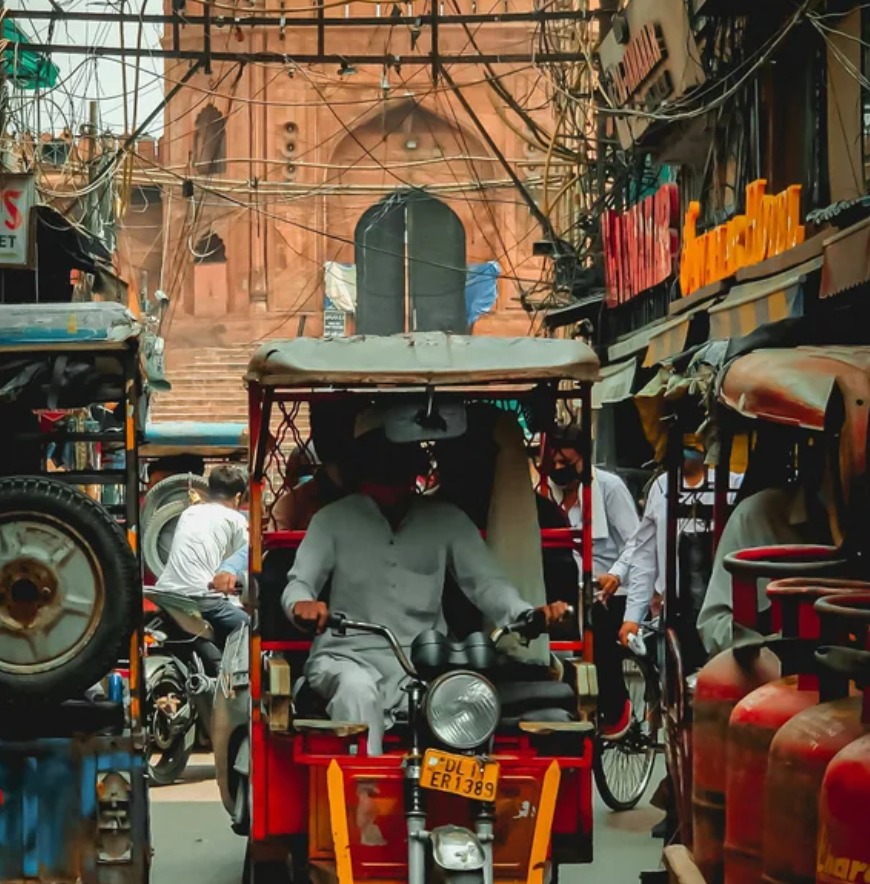
Photo by Anurag Chandra on Unsplash.
