

Global Events
Welcome to the Institute for the Study of States of Exception Global Events page, featuring global events that shed light on the misuse of emergency powers and the erosion of democratic norms. Through curated updates and analysis, we connect the headlines to the deeper patterns of authoritarianism, resistance, and rule of law.
“Emergency powers are, at one and the same time, necessary for preserving the life of the nation and dangerous to that life.”
— Oren Gross and Fionnuala Ní Aoláin (Law in Times of Crisis, 2006)

Trinidad and Tobago has ended a prolonged state of emergency after nearly two years of extraordinary security powers while proposing permanent legislation to replace aspects of the emergency framework. The case highlights an important question in emergency governance: whether temporary exceptional measures truly end, or instead become embedded within ordinary legal institutions.
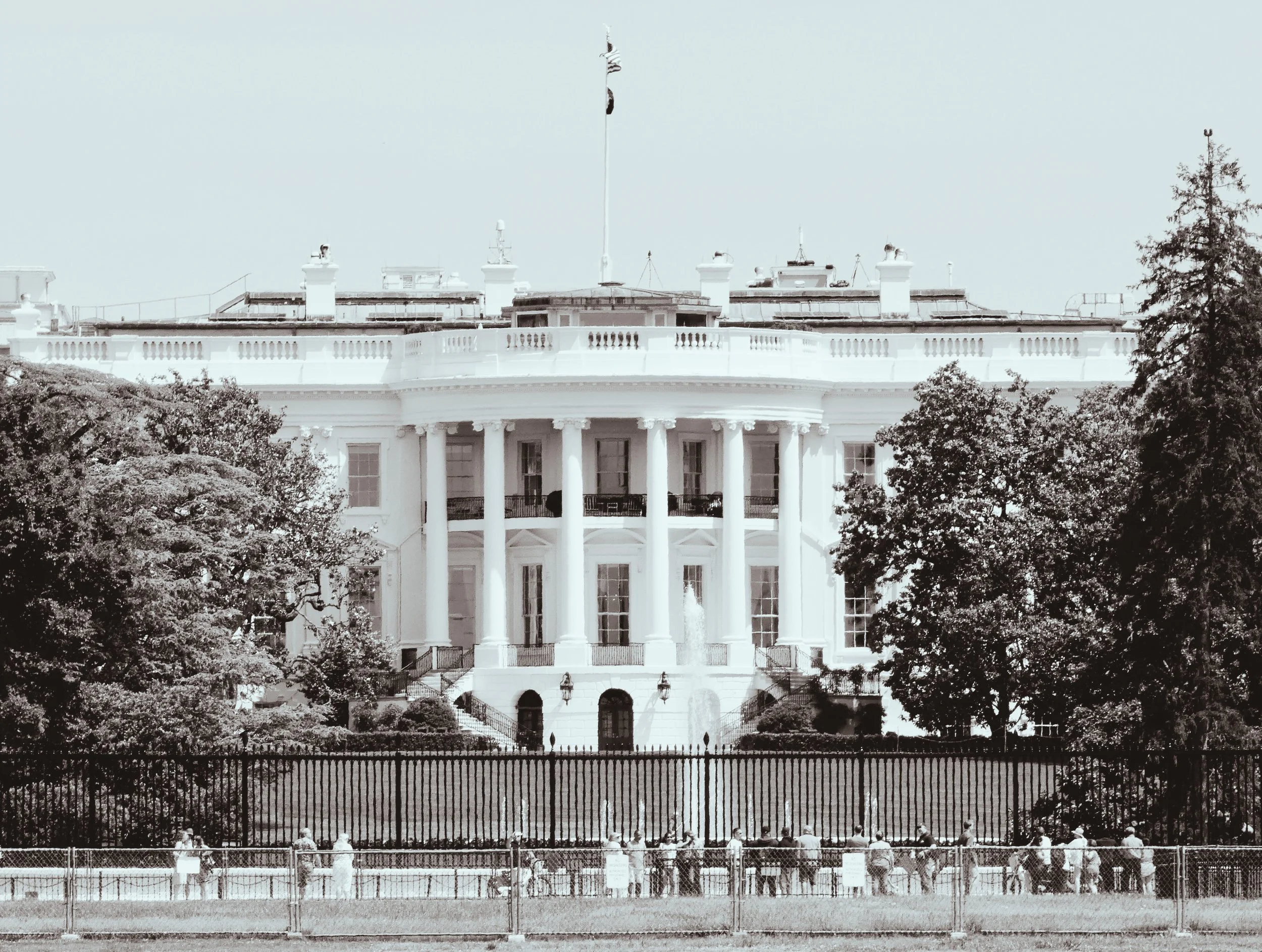
On August 26, 2026, President Trump declared a national emergency under the National Emergencies Act and the International Emergency Economic Powers Act (IEEPA) to address perceived national security risks associated with foreign-produced equipment used in the U.S. bulk-power system. Our article examines how the declaration expands executive authority over critical infrastructure and illustrates the growing use of emergency powers to address supply chain security and strategic technological vulnerabilities.

As of July 7, 2026, Indian authorities have renewed the delegation of preventive detention powers under the National Security Act, allowing designated officials to order detention without ordinary criminal charges during a period of heightened political sensitivity following nationwide protests. The case illustrates how extraordinary executive powers can be exercised through standing statutory authorities rather than formally declared constitutional emergencies, highlighting an increasingly important form of embedded exceptionality within ordinary governance.
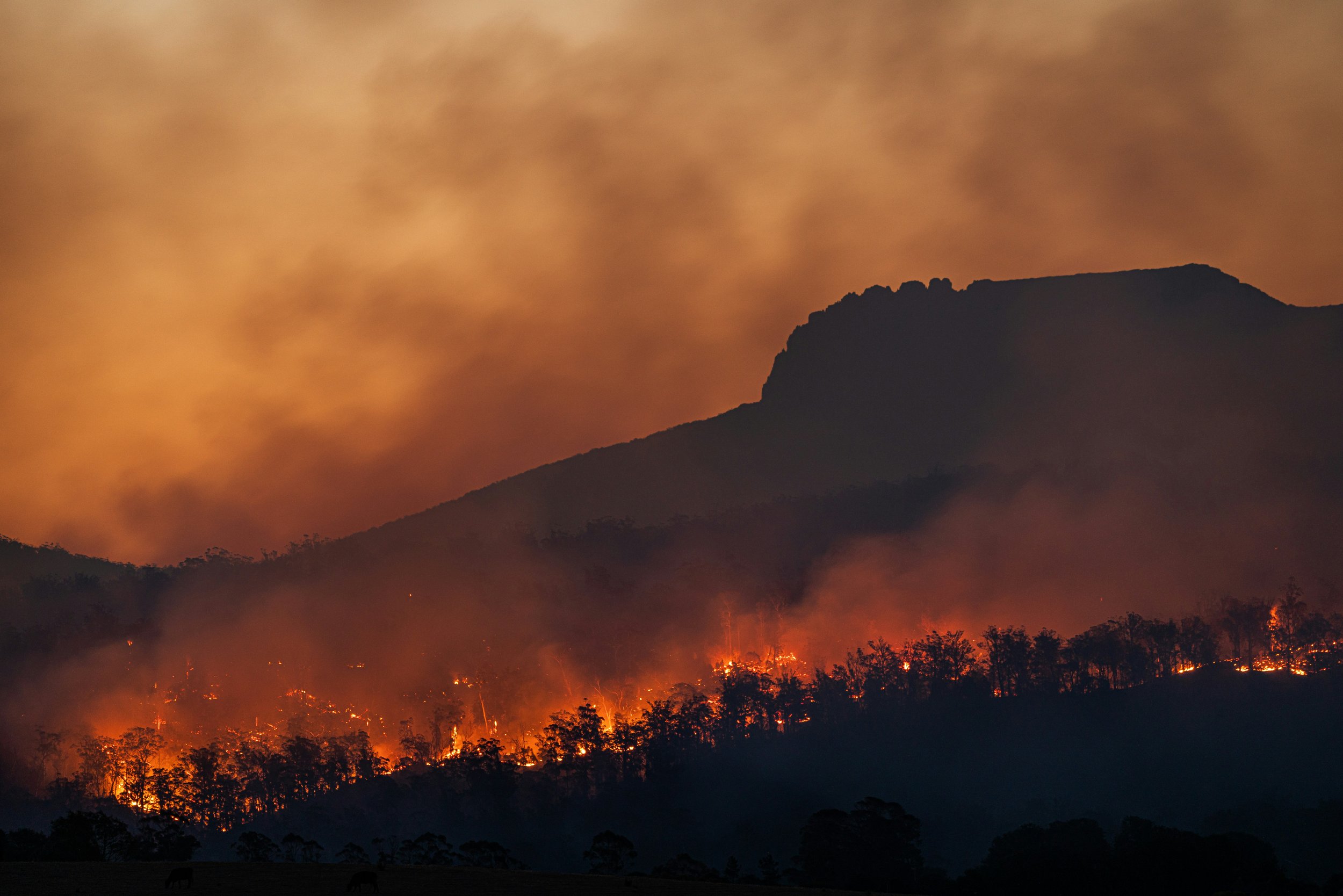
On July 23, 2026, Spain activated an Emergency of National Interest for the first time in response to a wildfire crisis, temporarily centralizing national coordination of disaster response as fires spread across multiple autonomous communities during an intense heat wave. The declaration illustrates how democratic governments can reallocate operational authority through existing statutory emergency frameworks while leaving the constitutional order and ordinary civil liberties intact, highlighting an increasingly important model of emergency governance in an era of climate-driven disasters.
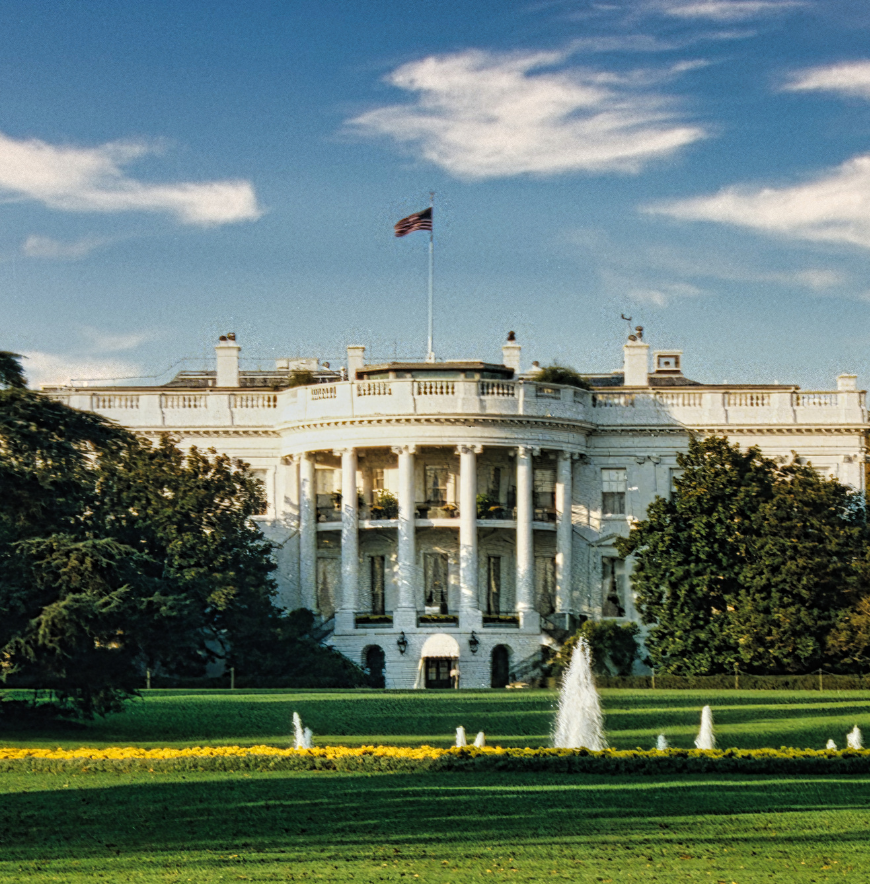
On June 29, 2026, President Trump invoked a little-known emergency authority under the Tariff Act of 1930 to temporarily suspend certain trade remedies on phosphate fertilizer imports from Morocco in response to global supply disruptions affecting American agriculture. ISSE examines this rarely used statutory emergency mechanism and explains how it differs from broader national emergency declarations, illustrating the growing role of sector-specific emergency powers in addressing supply chain and economic crises.
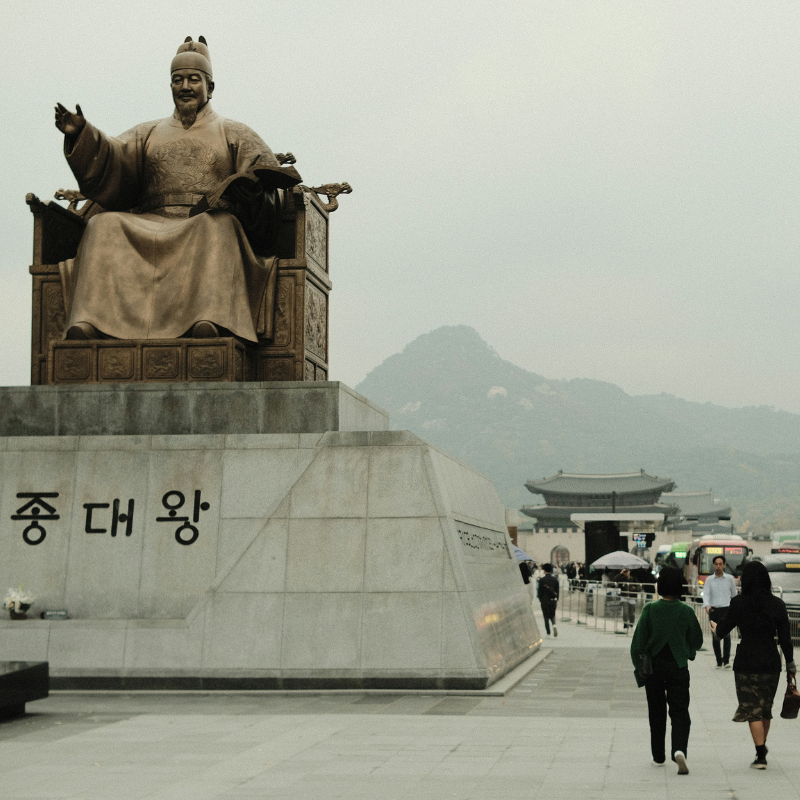
Former Justice Minister Park Sung-jae was sentenced to 25 years in prison for his role in former President Yoon Suk Yeol’s failed December 2024 martial law declaration, marking another significant step in South Korea’s effort to hold senior officials accountable for the misuse of emergency powers. The case highlights how constitutional democracies can use judicial processes to reinforce democratic accountability, restore constitutional order, and deter future abuses of extraordinary authority.

Russian-installed authorities in occupied Crimea have declared a regional state of emergency following sustained Ukrainian strikes on energy infrastructure and military logistics. ISSE examines the declaration through the lens of international humanitarian law, exploring how emergency powers operate under military occupation and why this case differs fundamentally from emergencies declared by sovereign governments.
On June 24, 2026, Venezuela declared a nationwide state of emergency following the most destructive earthquakes to strike the country in more than a century. ISSE examines the legal authorities invoked, the distinction between disaster-related and governance emergencies, and why even well-justified emergency powers should remain proportionate, transparent, and temporary.

On June 20, 2026, Bolivia declared a 90-day nationwide state of emergency after weeks of protests and road blockades disrupted fuel supplies, transportation, and access to essential services. ISSE examines the legal authorities invoked, the role of legislative oversight, and what the declaration reveals about how democratic governments use emergency powers during periods of prolonged political and economic crisis.
Kate Gilbert examines how the Department of Justice’s report uses the language of ordinary bureaucracy to frame extraordinary political claims. The article raises questions central to ISSE’s work: how exceptional political logics become embedded within routine democratic governance and how expansive interpretations of Unitary Executive Theory may reshape democratic governance.

Examining the Supreme Court’s consideration of the Trump v. Slaughter case, Peter J. Wallison argues that permitting presidents to remove officials from independent regulatory agencies without a cause would fundamentally alter the balance between Congress and the executive branch. Relevant to ISSE’s work, Wallison warns that subtle judicial reinterpretations of constitutional structure over time accumulate excessive concentrations of executive power.
The Supreme Court’s decision in Louisiana v. Callais has intensified debate over judicial power, electoral representation, and democratic legitimacy in the United States. While supporters view the ruling as a constitutional limit on race-conscious districting, critics argue it may weaken Black political representation in several Southern states. From an ISSE perspective, the case is significant not only for its voting-rights implications, but for how accelerated procedures and emergency-style mechanisms derived from the ruling are already shaping ordinary democratic governance. Rapid redistricting efforts and compressed legislative timelines illustrate how exceptional practices can become enabled and embedded within formally constitutional processes. The case raises broader questions about democratic resilience, institutional restraint, and the gradual normalization of exceptionality within contemporary governance.
Human Rights Watch’s analysis of Hungary highlights how emergency powers have become embedded in the country’s political system. Under Viktor Orbán, who was voted out of office in April 2026, crisis-driven authorities have evolved into durable tools for governing, shaping media, institutions, and electoral competition. Rather than temporary measures, emergency frameworks have been renewed and repurposed across migration, pandemic, and security contexts. Weak domestic and external constraints have allowed these powers to persist with limited oversight. For ISSE, Hungary illustrates the normalization of exceptionality, where extraordinary powers become a routine feature of democratic governance.
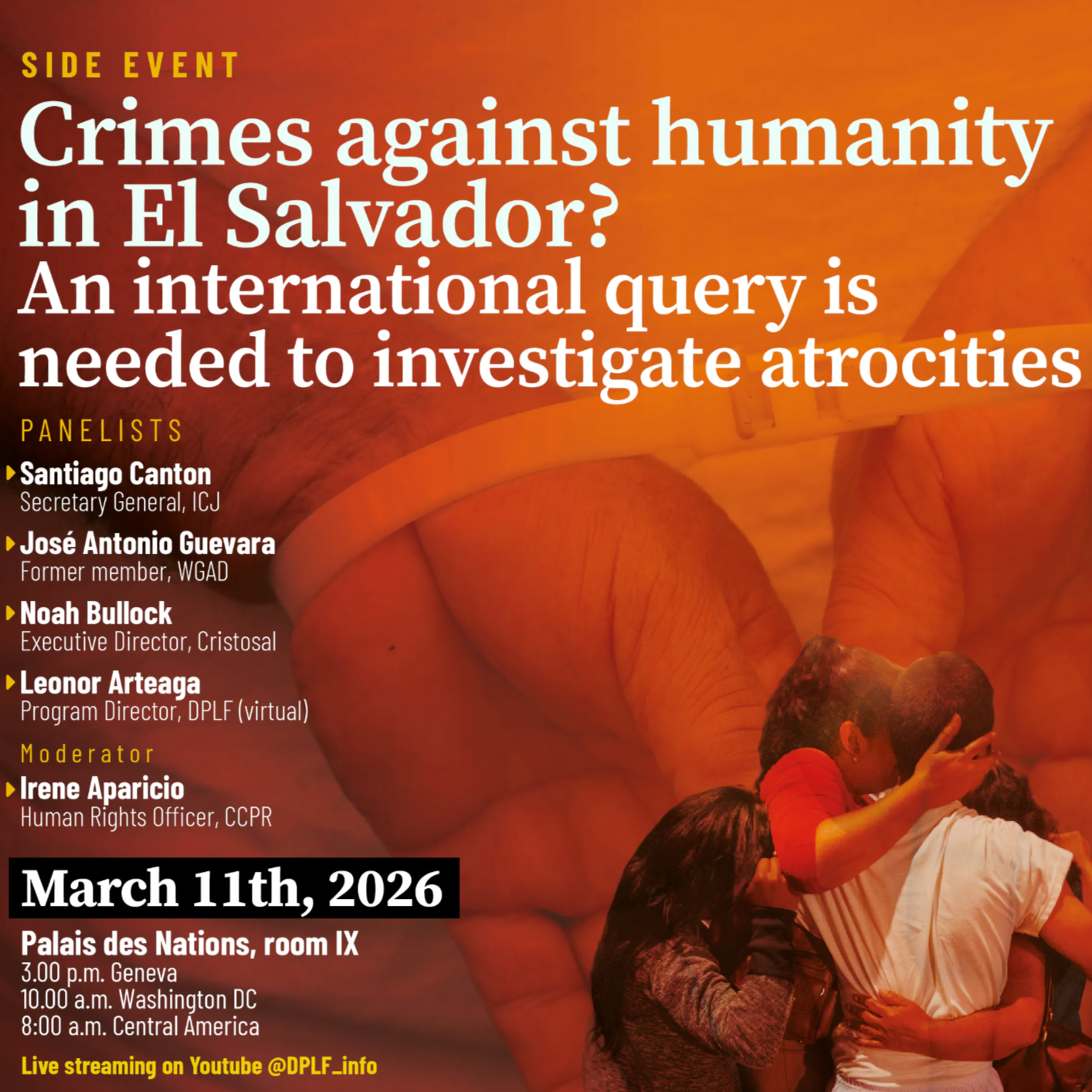
Supported by civil society, a group of independent international law and human rights experts (The International Group of Experts for the Investigation of Human Rights Violations in the Context of the State of Emergency in El Salvador – GIPES [for its initials in Spanish]) was convened to investigate whether systematic abuses being carried out under the State of Exception public security policy in El Salvador –including torture, sexual violence, enforced disappearances, and extrajudicial executions– are indeed crimes against humanity.
On March 11, 2026, at a side event to the United Nations Human Rights Council session, members of the Group and civil society presented the Group of Experts initiative, their research findings and legal analysis, and other key information about the ongoing State of Exception and its impact in El Salvador.
The invited speakers were Leonor Arteaga, Program Director at DPLF; Santiago Canton, ICJ Director and GIPES member; José Antonio Guevara, former WGAD President and Group member; and Noah Bullock, the Executive Director of Cristosal. Irene Aparicio of CCPR moderated the panel discussion.
This side event was hosted by the Centre for Civil and Political Rights (CCPR), Cristosal, Due Process of Law Foundation (DPLF), InterJust, International Commission of Jurists (ICJ), International Federation for Human Rights (FIDH), Redress, Rights & Security International.
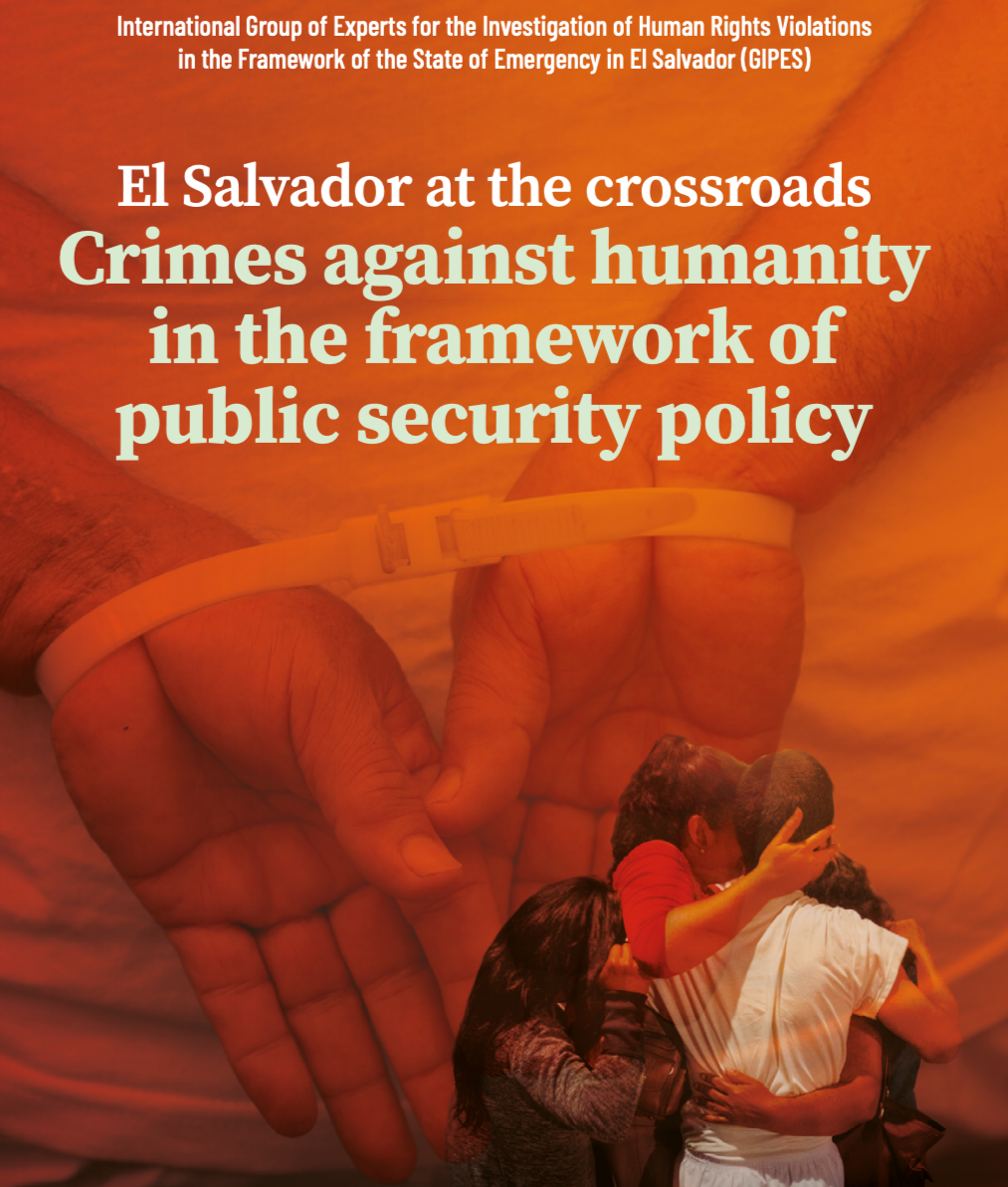
An international panel of legal experts has concluded that serious human rights violations committed under El Salvador’s ongoing state of emergency may constitute crimes against humanity. The report examines allegations including arbitrary detention, torture, enforced disappearances, sexual violence, and persecution carried out as part of the government’s security policy since March 2022. Beyond documenting abuses, the study argues that the prolonged state of exception has weakened democratic safeguards, eroded separation of powers, and concentrated authority within the executive branch. The report also calls for independent case review mechanisms and greater international accountability efforts. For ISSE, the findings highlight the long-term institutional risks posed by entrenched emergency governance.
The Supreme Court of the United States will soon hear challenges to the termination of Temporary Protected Status (TPS) for Syria and Haiti, cases that sit squarely within ISSE’s core concern: the use of exceptional or emergency-adjacent authority without meaningful procedural constraint. At issue is whether the Department of Homeland Security can rely on broad assertions of “national interest,” or must conduct a genuine, evidence-based assessment of country conditions as required by statute. Lower courts have already identified procedural failures and, in some instances, evidence of predetermined outcomes. With more than one million TPS holders affected, the stakes extend far beyond immigration policy. The Court’s decision will help determine whether executive power, when operating in the space between routine governance and exception, remains subject to enforceable legal limits.
A surge in executive “emergency” actions is reshaping the balance of power in the United States. This analysis finds that the scale, pace, and scope of recent emergency orders, particularly outside traditional frameworks like International Emergency Economic Powers Act (IEEPA), are historically unprecedented and increasingly directed toward domestic policy goals. The use of declarations such as the “National Energy Emergency” illustrates how emergency authorities can be leveraged to bypass Congress and statutory constraints. With legislative checks weakened since INS v. Chadha and judicial review often limited, meaningful oversight is increasingly difficult. The piece from Lawfare argues that courts may need to adopt more searching review to prevent the normalization, and weaponization, of emergency powers.

Estonia will conduct ILVES 2026, a nationwide crisis-management exercise from June 8–12 involving more than 130 public, private, and civil society organizations. The exercise is designed to test coordination, decision-making, and the continuity of essential services during complex crisis scenarios, including hostile state influence, public disorder, and infrastructure disruptions. Activities will include simulations of evacuations, emergency response, and information-sharing processes. The exercise is part of Estonia’s regular preparedness framework under its Emergency Act and does not indicate an imminent threat. Overall, ILVES 2026 aims to strengthen national resilience through coordinated, whole-of-society crisis response.
A Human Rights Watch report finds that some Salvadorans deported from the United States within the last year have been detained in El Salvador without access to lawyers, families, or courts, raising concerns about enforced disappearance. The report links these cases to El Salvador’s ongoing state of emergency, which has suspended key due process protections. Many families report being unable to determine the whereabouts or legal status of detained relatives. Authorities in both countries have provided limited transparency, while judicial and oversight mechanisms have offered little recourse. The findings highlight the risks that arise when deportation policies intersect with emergency governance frameworks.

The US/Israel–Iran war is already reshaping governance across the Middle East, not only through battlefield outcomes but through the expanded use of emergency powers. This analysis by ISSE Senior Fellow Paul Shaya examines how Israel, Jordan, and Lebanon are leveraging crisis conditions to enact political and institutional changes that extend beyond immediate security needs. In Israel, wartime procedures have enabled the passage of controversial legislation under reduced scrutiny, raising concerns about democratic oversight. Jordan has used the conflict to tighten restrictions on speech, media, and public assembly, reinforcing existing limits on civic space. Lebanon, by contrast, has invoked extraordinary measures to challenge Hizballah’s parallel authority and reassert state sovereignty. Together, these cases illustrate a broader pattern central to ISSE’s work: emergencies can create openings for durable shifts in governance that may outlast the crises that justified them.

Hungary’s upcoming election offers more than a test of electoral competition, it provides a vantage point for assessing a system shaped over time through the sustained integration of emergency powers. Under Viktor Orbán, successive crises including migration, COVID-19, and the aftermath of Russia’s full-scale invasion of Ukraine, have enabled the expansion and normalization of executive authority. This article adopts the concept of “exceptionality,” developed in recent scholarship by Przemyslaw Tacik and Gian-Giacomo Fusco, to describe how emergency-derived powers persist beyond formal declarations and become embedded in ordinary governance. Drawing on Kim Lane Scheppele’s analysis in the Journal of Democracy, it situates Hungary’s electoral dynamics within a broader restructuring of the political and legal environment. Elections continue, but the conditions under which they occur have been systematically redefined. The coming vote provides a baseline from which to evaluate how such a system operates in practice, and how it may evolve in the period that follows.
This Lawfare U.S.-based analysis compiles a nationwide dataset of more than 300 immigration habeas cases in which federal authorities failed to comply with court orders. While courts generally succeed in securing eventual compliance, the cases reveal recurring patterns, such as delayed releases, unauthorized transfers, and failures to justify detention, that require repeated judicial intervention to enforce legal limits. Situated within a broader framework of sustained emergency authorities and expanded enforcement activity, these dynamics point to structural strain within the system of legal oversight.
Viewed in aggregate, the dataset suggests not a breakdown of legality, but a shift in how it operates in practice. Individuals remain formally protected by law, yet the realization of those protections often depends on administrative action and continued judicial enforcement. This pattern also raises questions about the limits of judicial enforcement itself, and whether repeated, low-consequence noncompliance risks becoming normalized over time. For ISSE, these dynamics highlight how prolonged reliance on emergency frameworks may contribute to the emergence of exception-like practices within routine governance.
A new impeachment filing in the United States places emergency powers at the center of a constitutional dispute over executive authority. Introduced by Congressman John B. Larson, the resolution includes allegations that emergency authorities have been used by the U.S. President to bypass congressional processes and expand executive reach. Section 12 focuses specifically on how these powers are invoked and applied in practice. This article analyzes those claims within the broader framework of U.S. emergency powers law. It considers what sustained reliance on such authorities may mean for institutional balance.
Two recent White House memoranda responding to the DHS shutdown rely on existing appropriations law to justify paying federal employees despite a lapse in funding. While the directives do not invoke formal emergency powers, they explicitly frame the situation as a national security emergency and use that rationale to support a flexible reading of statutory limits, raising questions under the Antideficiency Act and the core rule that funds must be used only as appropriated. Legally, presidential memoranda can carry the same force as executive orders, placing the focus on interpretation rather than form. The result is a form of constrained executive improvisation that remains within the language of the law while testing its boundaries. From an ISSE perspective, this reflects a broader shift: emergency reasoning migrating into routine administrative practice. Repeated over time, such approaches risk normalizing flexible statutory interpretation as a substitute for legislative resolution.

The New York City Bar Association’s March 2026 report entitled “The Crisis Deepens: Congress Must Act Now to Address Escalating Abuses of Executive Power“ marks a shift from identifying executive overreach to documenting a more systemic pattern of governance beyond meaningful legal constraint. Building on its December 2025 report entitled “The Abuse of Presidential Power and Breach of the Public Trust,” which warned of boundary-testing, this follow-up argues those boundaries are now being operationally redefined. The report highlights the use of coercive, emergency-style practices without formal invocation of emergency powers, reflecting a broader ISSE concern with embedded exceptionalism. At the same time, weakening judicial enforcement and limited congressional response risk enabling further expansion. The cumulative effect represents a transformation in how law functions in practice. What emerges is a pattern of normalized exceptionalization, where the line between ordinary governance and emergency rule becomes increasingly indistinct.

The U.S. Helsinki Commission issued a formal statement on March 18, 2026, entitled “Bipartisan Helsinki Commission Leadership issue Statement on OSCE Report on Human Rights Abuses in Georgia,” condemning Georgia’s systemic abuse of emergency‑like legislative powers and urging U.S. sanctions to compel compliance with international recommendations. This marks an explicit, bipartisan U.S. government acknowledgment that Georgia is leveraging emergency‑style laws to consolidate political control and suppress democratic opposition. The call for sanctions signals rising international pressure and potential policy movement if Georgia fails to reverse course.

PORT-OF-SPAIN, Trinidad (AP) — Trinidad and Tobago declared a new state of emergency on March 3, 2026, only about a month after the end of the previous one, as authorities in the Caribbean nation continue to grapple with high levels of violent crime.
Prime Minister Kamla Persad-Bissessar cited credible reports of attacks planned against law enforcement officers in reimposing the emergency, which grants the government additional powers, including to make arrests and conduct searches without warrants.
Trinidad and Tobago has spent roughly 10 of the last 14 months under an emergency, with the last one ending January 31, 2026.
Bissessar said the country’s National Security Council has noted that ongoing crime has led to “multiple deaths due to mass shootings and that the continuance of reprisal shootings amongst criminal gangs, if left unchecked, would endanger public safety.”
The state of emergency has an initial duration of up to 15 days, but the government can extend it if needed. Government officials did not immediately announce any plans for a curfew.
Trinidad and Tobago’s government then, on March 13, 2026, received House of Representatives approval to extend the state of emergency for three months.
The two motions to extend the measure, which grants the government additional powers, including to make arrests and conduct searches without warrants, were approved in a 26-12 vote late Friday. There were no abstentions.

When Trinidad and Tobago declared yet another state of emergency (SoE) last week, it marked the ninth time since the country gained Independence in 1962 that a public declaration of emergency has been used to confront national challenges.
Sweeping emergency powers that suspend constitutional rights were once used sparingly for reasons ranging from social unrest to threats to its democracy. But more recently, the SoE has been used as a tool to deal with the problem of gang violence and crime.
Over the last five years—between 2021 and 2026—a total of four states of emergency have been declared.
According to Section 8 of the Constitution of Trinidad and Tobago, the President may declare an SoE if he/she is satisfied that a public emergency has arisen as a result of the imminence of a “State of War” between T&T and a foreign state, the occurrence of disaster or other calamity, or threats to endanger the public safety.
Historically, the use of emergency powers were invoked to quell disturbances, notably during the Black Power Movement of the 1970s, and the 1990 attempted coup that saw the Prime Minister and ministers taken hostage in the Parliament by armed members of the Jamaat-al-Muslimeen. Since then it has been used for public health purposes, and a variety of others.
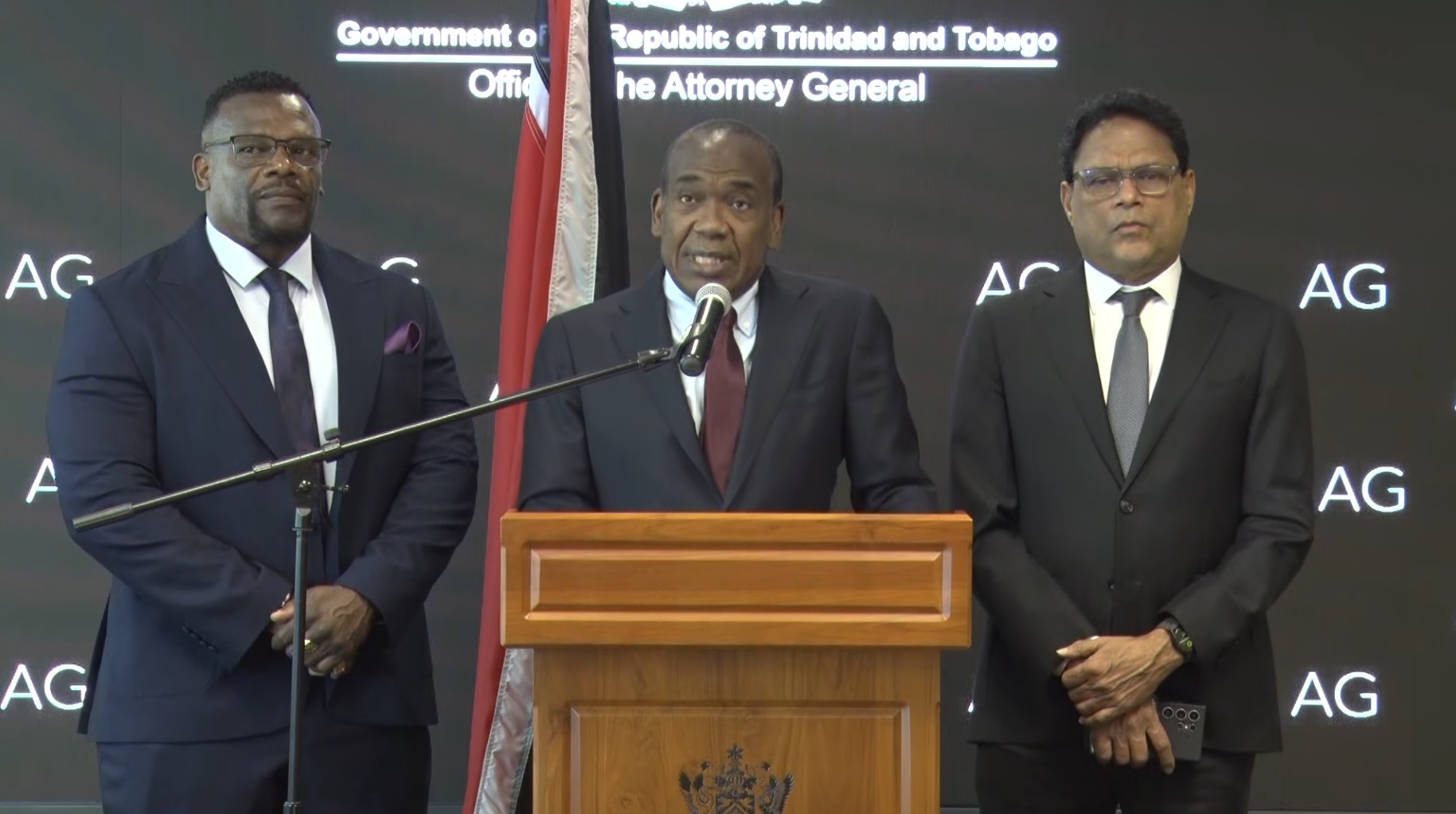
On March 3, 2026, the Government of Trinidad and Tobago reimposed a state of emergency following a resurgence of gang-related violence, including intelligence indicating imminent reprisal killings and coordinated attacks. Acting on the advice of the National Security Council, the Prime Minister invoked constitutional emergency provisions, with the President formally proclaiming the emergency effective immediately. The decision followed an earlier state of emergency (July 2025–January 2026), during which authorities reported significant reductions in crime through intelligence-led operations targeting organized criminal networks.
Officials framed the renewed declaration as a necessary response to escalating threats that exceeded the capacity of ordinary law enforcement tools, emphasizing a “zero tolerance” approach to gang activity and the protection of state institutions. At the same time, the government highlighted both the operational successes of prior emergency measures and the limits of legislative reforms intended to sustain those gains under normal legal conditions.

Five years after the 2021 coup, Myanmar presents a critical case for understanding how emergency powers evolve beyond their original justification. What began as a constitutionally framed state of emergency has developed into a durable and contested system of governance, where the line between exceptional and ordinary rule has blurred. Recent efforts to reconvene parliament under military-aligned conditions highlight attempts to restore institutional form while leaving underlying questions of legitimacy unresolved. At the same time, competing claims between the junta and a government-in-exile underscore a deeper fragmentation of sovereignty that international law has yet to reconcile. This analysis examines how emergency authority in Myanmar has moved from temporary invocation to embedded order, reshaping the structure of governance itself.