

ISSE Scholarship
Welcome to the Institute for the Study of State of Exception (ISSE) Scholarship page, where we highlight the original work of the Institute and its community of scholars. Here you’ll find ISSE publications alongside books, journal articles, reports, and other scholarly contributions by our Fellows and affiliated experts, reflecting the breadth of research across the ISSE community and advancing the study of emergency powers, constitutional governance, democratic resilience, and states of exception.
“The accumulation of all powers, legislative, executive, and judiciary, in the same hands… may justly be pronounced the very definition of tyranny.”
— James Madison (Federalist No. 47, 1788)
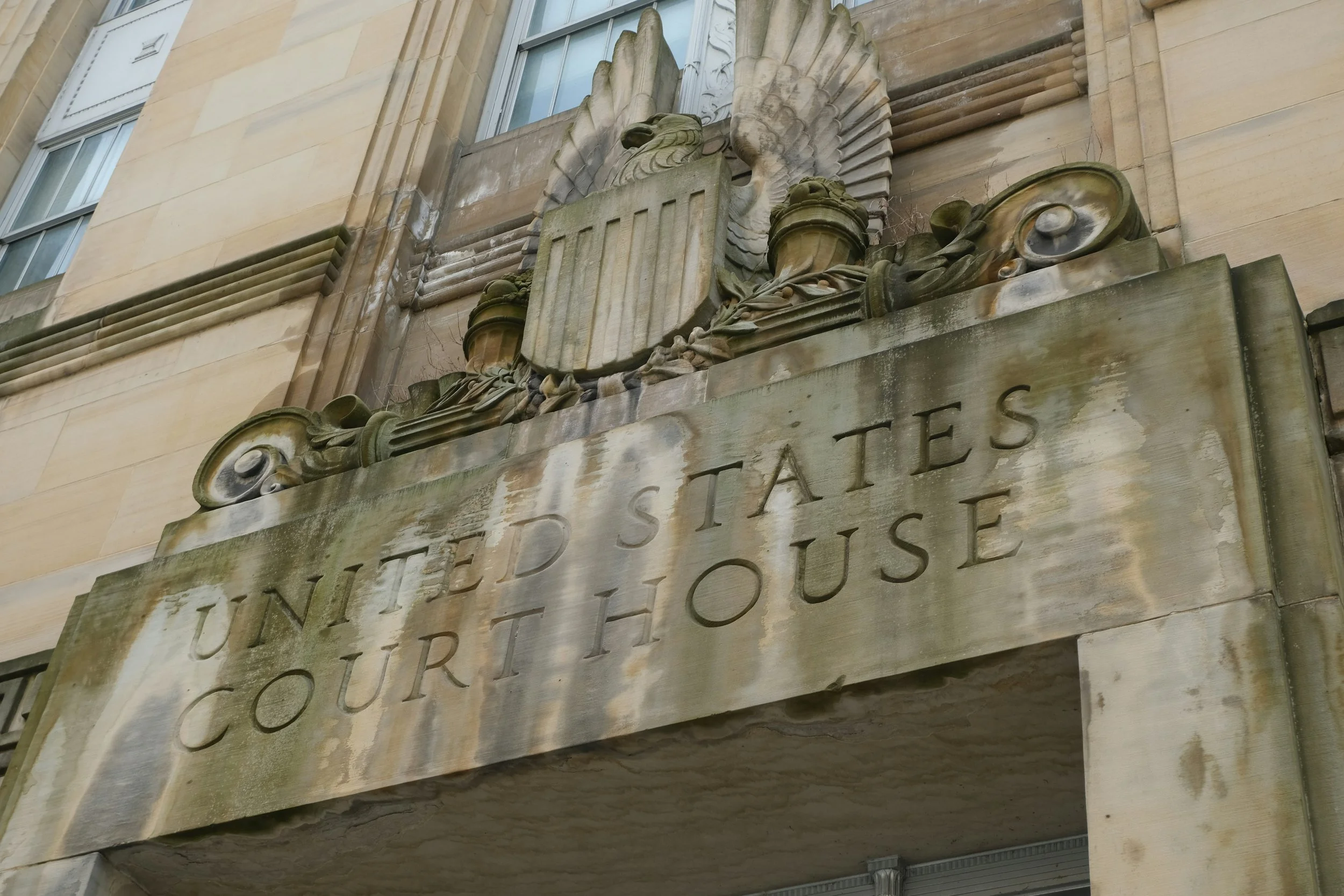
This article by ISSE Research Fellow Yuvraj Tuli, published in Just Security, examines how courts should distinguish between legitimate national security judgments and the use of national security authorities as a pretext for unrelated political or administrative objectives. It explores when judicial deference to executive claims of national security is warranted, and when constitutional accountability requires more searching judicial review.
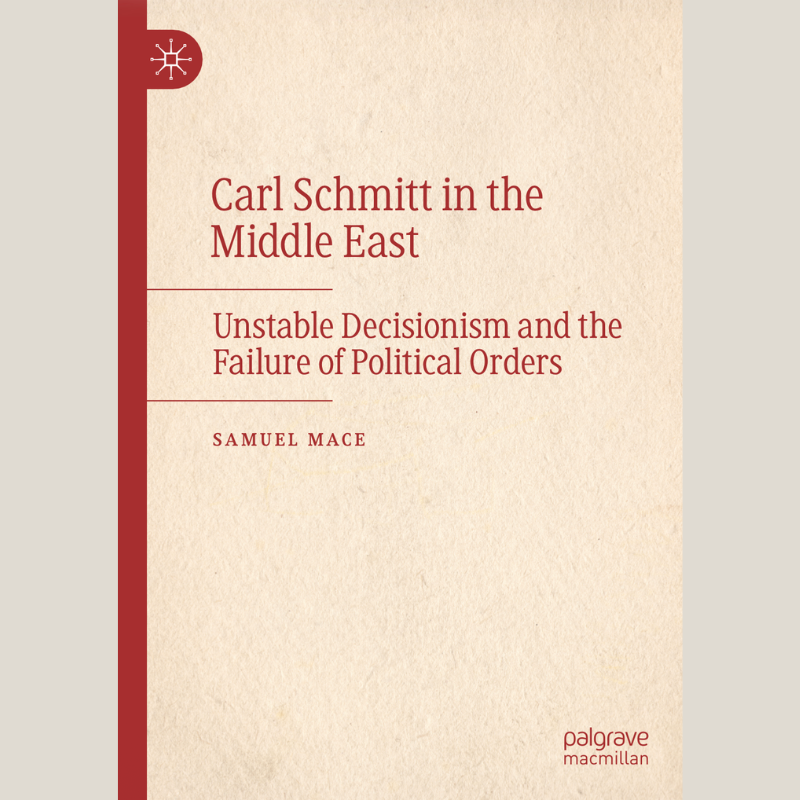
In this new book, ISSE Senior Fellow Samuel Mace critically examines Carl Schmitt's theory of decisionism through the political experience of the modern Middle East, arguing that regimes built upon exceptional authority often generate long-term instability rather than durable political order. The book offers a significant contribution to the study of states of exception by reassessing one of the twentieth century's most influential theorists of emergency power while illuminating the practical consequences of decisionist governance.

As of July 7, 2026, Indian authorities have renewed the delegation of preventive detention powers under the National Security Act, allowing designated officials to order detention without ordinary criminal charges during a period of heightened political sensitivity following nationwide protests. The case illustrates how extraordinary executive powers can be exercised through standing statutory authorities rather than formally declared constitutional emergencies, highlighting an increasingly important form of embedded exceptionality within ordinary governance.

The Roman statesman Cincinnatus has long symbolized the constitutional principle that extraordinary powers should be exercised only when genuinely necessary and relinquished once the crisis has passed. His enduring legacy illustrates one of the oldest and most important safeguards of constitutional government: that emergency authority derives its legitimacy not only from necessity, but from its temporary character.

On July 23, 2026, Spain activated an Emergency of National Interest for the first time in response to a wildfire crisis, temporarily centralizing national coordination of disaster response as fires spread across multiple autonomous communities during an intense heat wave. The declaration illustrates how democratic governments can reallocate operational authority through existing statutory emergency frameworks while leaving the constitutional order and ordinary civil liberties intact, highlighting an increasingly important model of emergency governance in an era of climate-driven disasters.
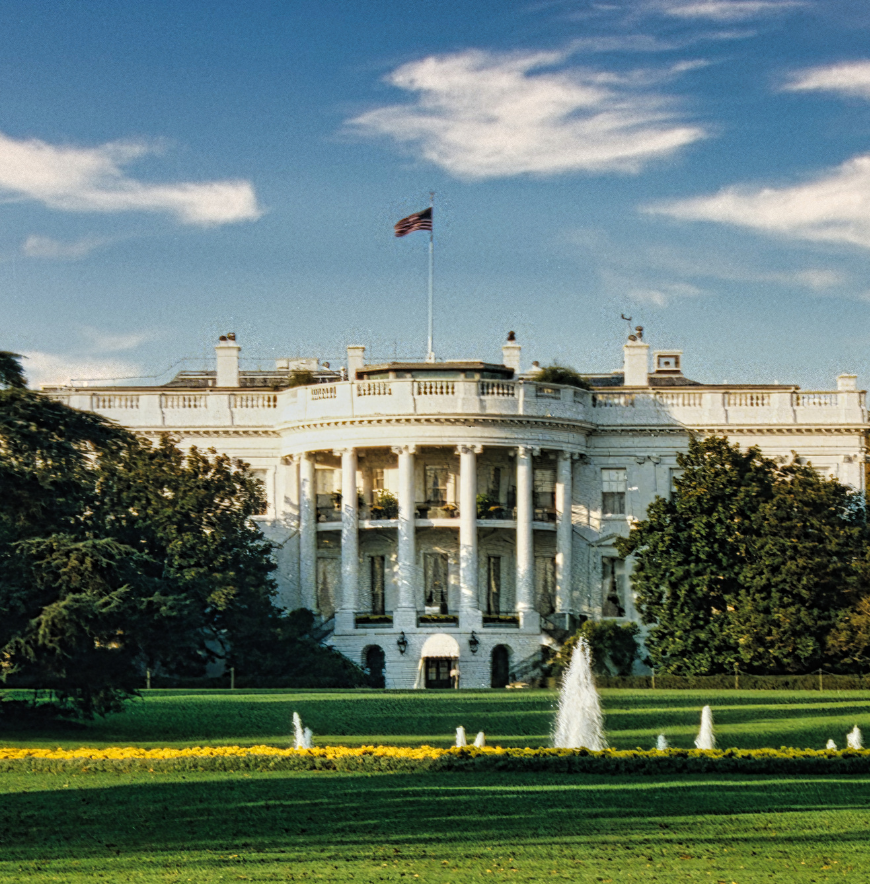
On June 29, 2026, President Trump invoked a little-known emergency authority under the Tariff Act of 1930 to temporarily suspend certain trade remedies on phosphate fertilizer imports from Morocco in response to global supply disruptions affecting American agriculture. ISSE examines this rarely used statutory emergency mechanism and explains how it differs from broader national emergency declarations, illustrating the growing role of sector-specific emergency powers in addressing supply chain and economic crises.
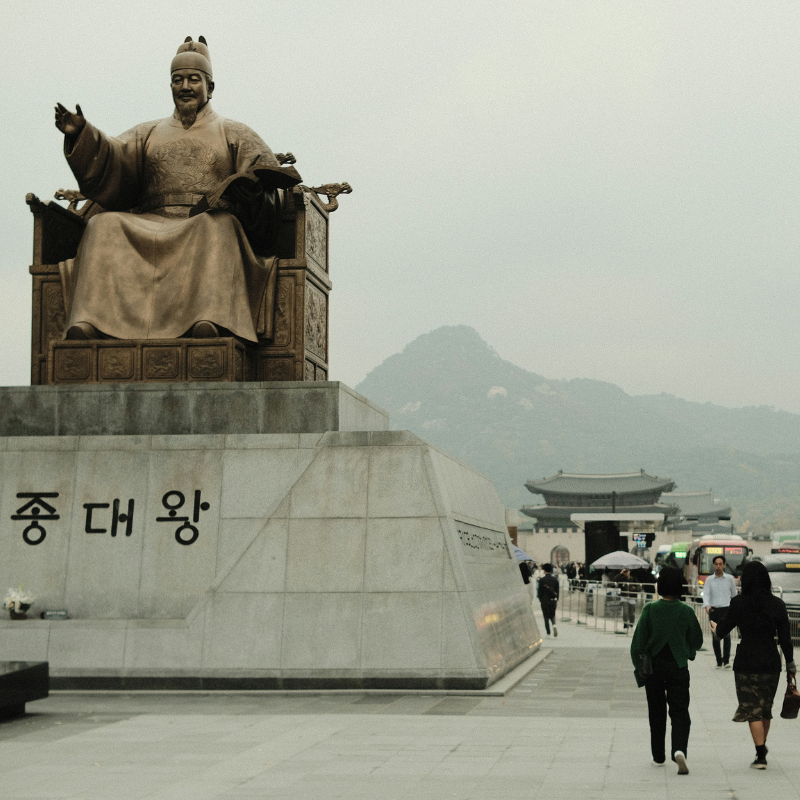
Former Justice Minister Park Sung-jae was sentenced to 25 years in prison for his role in former President Yoon Suk Yeol’s failed December 2024 martial law declaration, marking another significant step in South Korea’s effort to hold senior officials accountable for the misuse of emergency powers. The case highlights how constitutional democracies can use judicial processes to reinforce democratic accountability, restore constitutional order, and deter future abuses of extraordinary authority.

Russian-installed authorities in occupied Crimea have declared a regional state of emergency following sustained Ukrainian strikes on energy infrastructure and military logistics. ISSE examines the declaration through the lens of international humanitarian law, exploring how emergency powers operate under military occupation and why this case differs fundamentally from emergencies declared by sovereign governments.

On June 24, 2026, Venezuela declared a nationwide state of emergency following the most destructive earthquakes to strike the country in more than a century. ISSE examines the legal authorities invoked, the distinction between disaster-related and governance emergencies, and why even well-justified emergency powers should remain proportionate, transparent, and temporary.

On June 20, 2026, Bolivia declared a 90-day nationwide state of emergency after weeks of protests and road blockades disrupted fuel supplies, transportation, and access to essential services. ISSE examines the legal authorities invoked, the role of legislative oversight, and what the declaration reveals about how democratic governments use emergency powers during periods of prolonged political and economic crisis.
How can the most expansive forms of the unitary executive theory function as a standing state of exception within constitutional law? ISSE puts the recent legal disputes over the revocation of security clearances and the attempted federalization of National Guard within a deeper theory of presidential power.
The Supreme Court’s decision in Louisiana v. Callais has intensified debate over judicial power, electoral representation, and democratic legitimacy in the United States. While supporters view the ruling as a constitutional limit on race-conscious districting, critics argue it may weaken Black political representation in several Southern states. From an ISSE perspective, the case is significant not only for its voting-rights implications, but for how accelerated procedures and emergency-style mechanisms derived from the ruling are already shaping ordinary democratic governance. Rapid redistricting efforts and compressed legislative timelines illustrate how exceptional practices can become enabled and embedded within formally constitutional processes. The case raises broader questions about democratic resilience, institutional restraint, and the gradual normalization of exceptionality within contemporary governance.
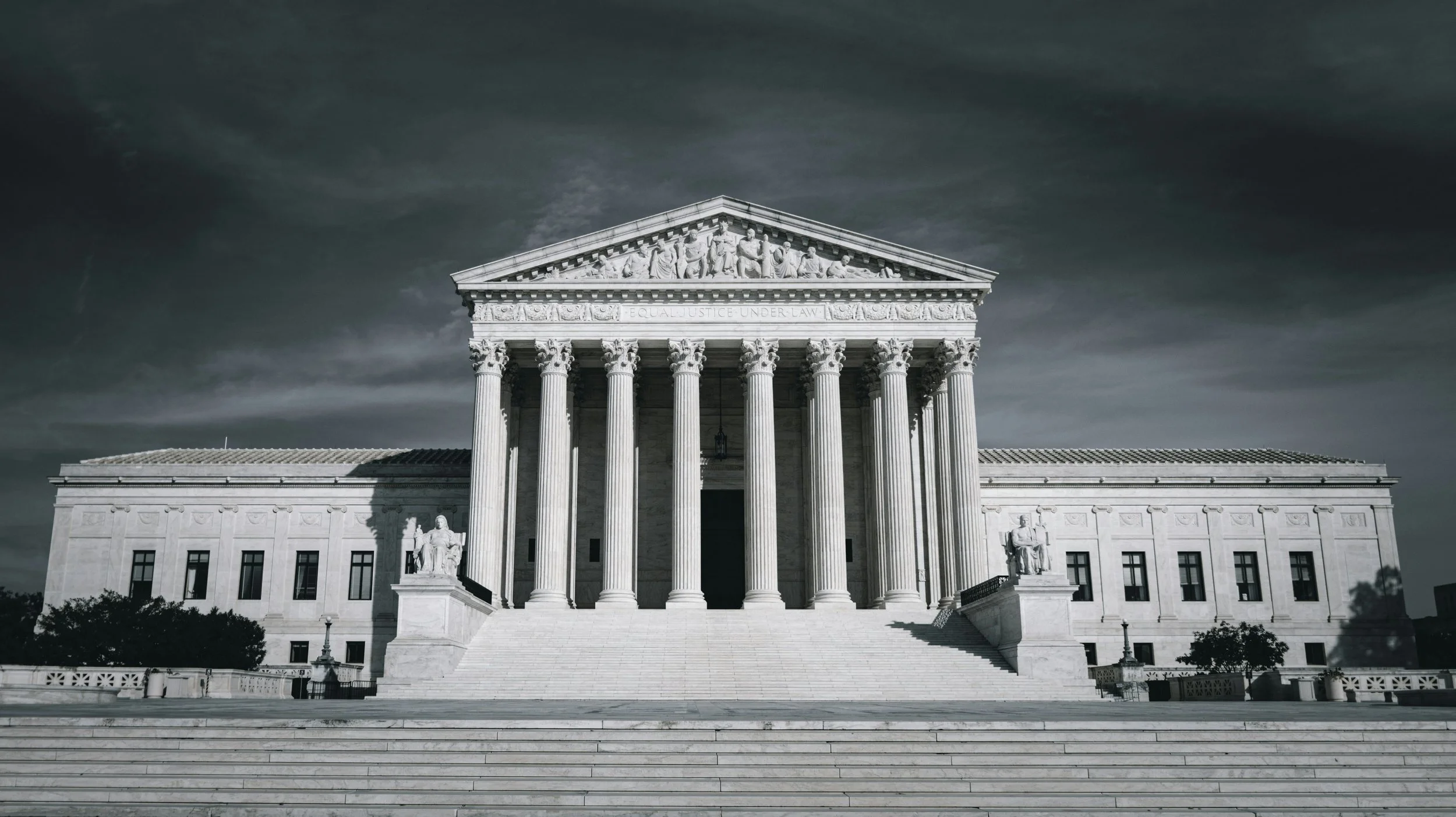
The Supreme Court of the United States will soon hear challenges to the termination of Temporary Protected Status (TPS) for Syria and Haiti, cases that sit squarely within ISSE’s core concern: the use of exceptional or emergency-adjacent authority without meaningful procedural constraint. At issue is whether the Department of Homeland Security can rely on broad assertions of “national interest,” or must conduct a genuine, evidence-based assessment of country conditions as required by statute. Lower courts have already identified procedural failures and, in some instances, evidence of predetermined outcomes. With more than one million TPS holders affected, the stakes extend far beyond immigration policy. The Court’s decision will help determine whether executive power, when operating in the space between routine governance and exception, remains subject to enforceable legal limits.
ISSE team members spoke at Centre for Statecraft & National Security on April 8, 2026, in a panel examining the global rise of “states of exception.” The discussion explored how emergency powers and prolonged security measures are increasingly shaping democratic governance across regions.
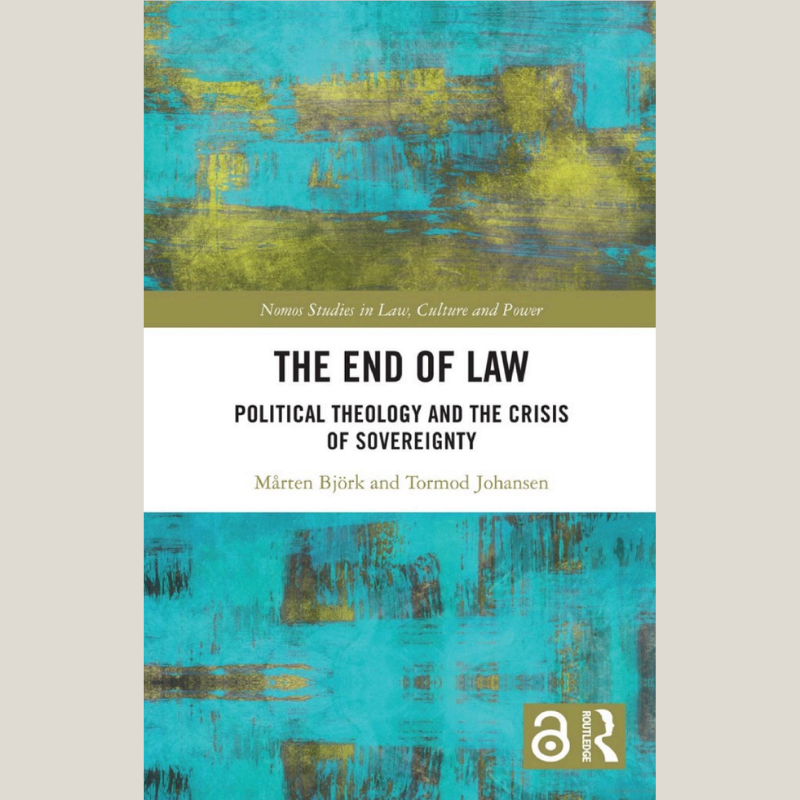
This book examines how Gustav Radbruch, H. L. A. Hart, and Ernst-Wolfgang Böckenförde each addressed the question of the end of law, its function, and its normative foundation within the context of the modern legal and political order. Through a politico-theological reading, it highlights the tension between legal validity and moral legitimacy, as well as the extent to which law can maintain public order without compromising its own claim to justice.
The analysis of Radbruch, Hart, and Böckenförde sheds light on how valid law can become unjust, demanding actions that may conflict with individual judgment or morality. It raises questions about natural law, the relationship between morality and law, and law’s ultimate purpose, suggesting that law and politics represent, at best, a relative good. It addresses the broader crisis of legal authority and state sovereignty, the expanding reach of state power, and whether law should instruct, command, or ultimately point beyond itself.
The End of Law is of interest to scholars in legal theory, political theology, and the philosophy of law.

The US/Israel–Iran war is already reshaping governance across the Middle East, not only through battlefield outcomes but through the expanded use of emergency powers. This analysis by ISSE Senior Fellow Paul Shaya examines how Israel, Jordan, and Lebanon are leveraging crisis conditions to enact political and institutional changes that extend beyond immediate security needs. In Israel, wartime procedures have enabled the passage of controversial legislation under reduced scrutiny, raising concerns about democratic oversight. Jordan has used the conflict to tighten restrictions on speech, media, and public assembly, reinforcing existing limits on civic space. Lebanon, by contrast, has invoked extraordinary measures to challenge Hizballah’s parallel authority and reassert state sovereignty. Together, these cases illustrate a broader pattern central to ISSE’s work: emergencies can create openings for durable shifts in governance that may outlast the crises that justified them.

Hungary’s upcoming election offers more than a test of electoral competition, it provides a vantage point for assessing a system shaped over time through the sustained integration of emergency powers. Under Viktor Orbán, successive crises including migration, COVID-19, and the aftermath of Russia’s full-scale invasion of Ukraine, have enabled the expansion and normalization of executive authority. This article adopts the concept of “exceptionality,” developed in recent scholarship by Przemyslaw Tacik and Gian-Giacomo Fusco, to describe how emergency-derived powers persist beyond formal declarations and become embedded in ordinary governance. Drawing on Kim Lane Scheppele’s analysis in the Journal of Democracy, it situates Hungary’s electoral dynamics within a broader restructuring of the political and legal environment. Elections continue, but the conditions under which they occur have been systematically redefined. The coming vote provides a baseline from which to evaluate how such a system operates in practice, and how it may evolve in the period that follows.

This Lawfare U.S.-based analysis compiles a nationwide dataset of more than 300 immigration habeas cases in which federal authorities failed to comply with court orders. While courts generally succeed in securing eventual compliance, the cases reveal recurring patterns, such as delayed releases, unauthorized transfers, and failures to justify detention, that require repeated judicial intervention to enforce legal limits. Situated within a broader framework of sustained emergency authorities and expanded enforcement activity, these dynamics point to structural strain within the system of legal oversight.
Viewed in aggregate, the dataset suggests not a breakdown of legality, but a shift in how it operates in practice. Individuals remain formally protected by law, yet the realization of those protections often depends on administrative action and continued judicial enforcement. This pattern also raises questions about the limits of judicial enforcement itself, and whether repeated, low-consequence noncompliance risks becoming normalized over time. For ISSE, these dynamics highlight how prolonged reliance on emergency frameworks may contribute to the emergence of exception-like practices within routine governance.
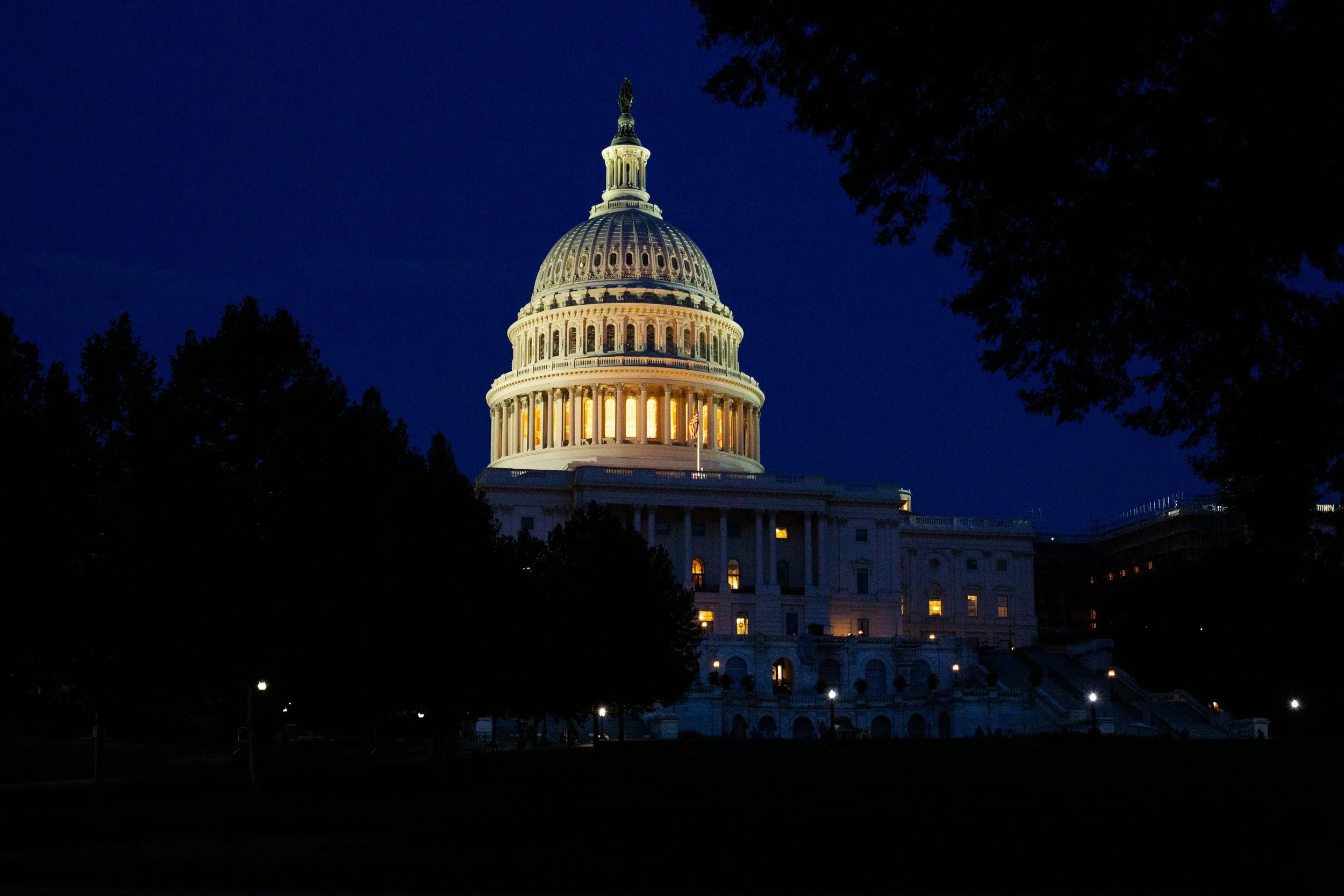
A new impeachment filing in the United States places emergency powers at the center of a constitutional dispute over executive authority. Introduced by Congressman John B. Larson, the resolution includes allegations that emergency authorities have been used by the U.S. President to bypass congressional processes and expand executive reach. Section 12 focuses specifically on how these powers are invoked and applied in practice. This article analyzes those claims within the broader framework of U.S. emergency powers law. It considers what sustained reliance on such authorities may mean for institutional balance.
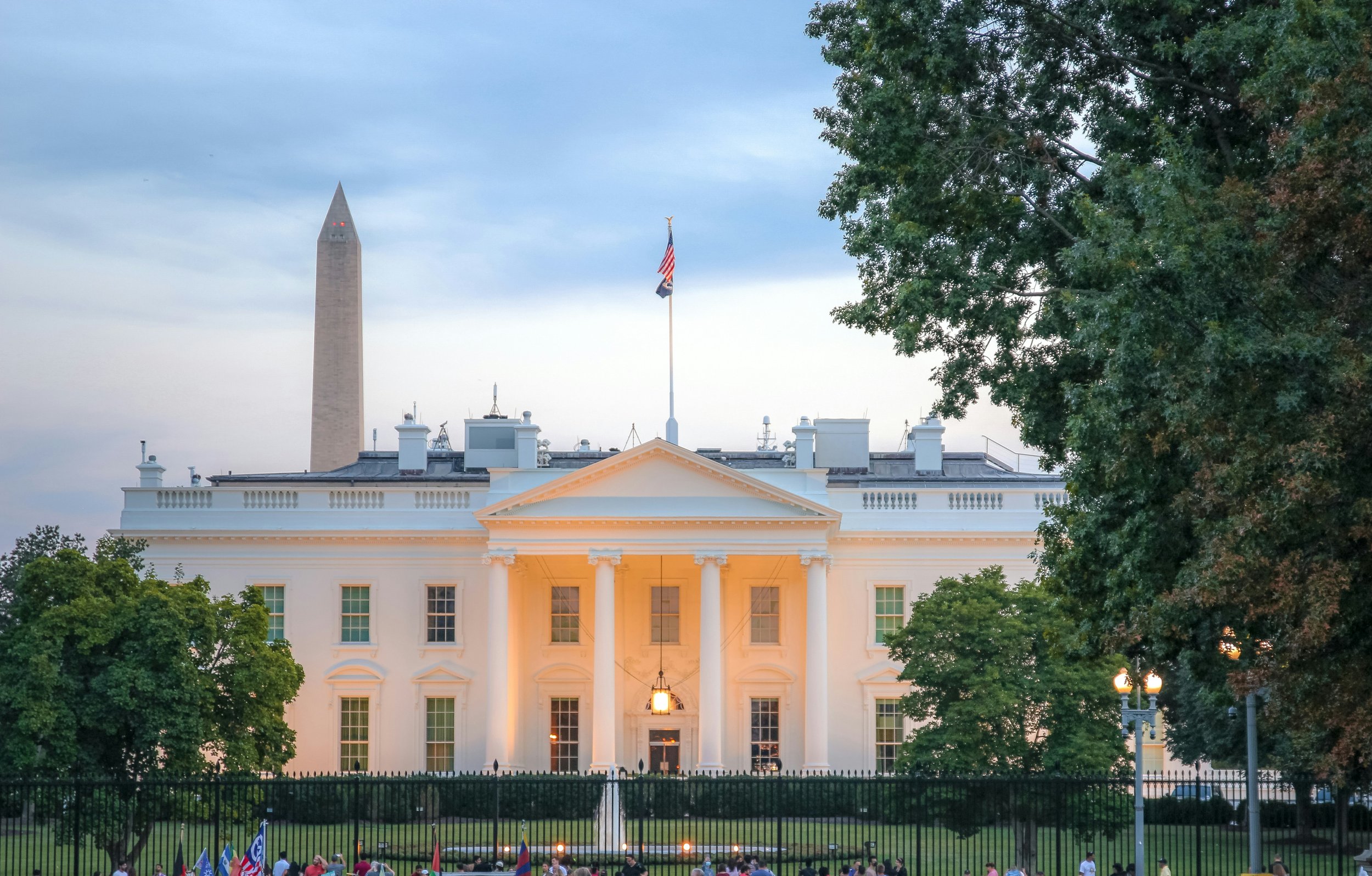
Two recent White House memoranda responding to the DHS shutdown rely on existing appropriations law to justify paying federal employees despite a lapse in funding. While the directives do not invoke formal emergency powers, they explicitly frame the situation as a national security emergency and use that rationale to support a flexible reading of statutory limits, raising questions under the Antideficiency Act and the core rule that funds must be used only as appropriated. Legally, presidential memoranda can carry the same force as executive orders, placing the focus on interpretation rather than form. The result is a form of constrained executive improvisation that remains within the language of the law while testing its boundaries. From an ISSE perspective, this reflects a broader shift: emergency reasoning migrating into routine administrative practice. Repeated over time, such approaches risk normalizing flexible statutory interpretation as a substitute for legislative resolution.

Five years after the 2021 coup, Myanmar presents a critical case for understanding how emergency powers evolve beyond their original justification. What began as a constitutionally framed state of emergency has developed into a durable and contested system of governance, where the line between exceptional and ordinary rule has blurred. Recent efforts to reconvene parliament under military-aligned conditions highlight attempts to restore institutional form while leaving underlying questions of legitimacy unresolved. At the same time, competing claims between the junta and a government-in-exile underscore a deeper fragmentation of sovereignty that international law has yet to reconcile. This analysis examines how emergency authority in Myanmar has moved from temporary invocation to embedded order, reshaping the structure of governance itself.
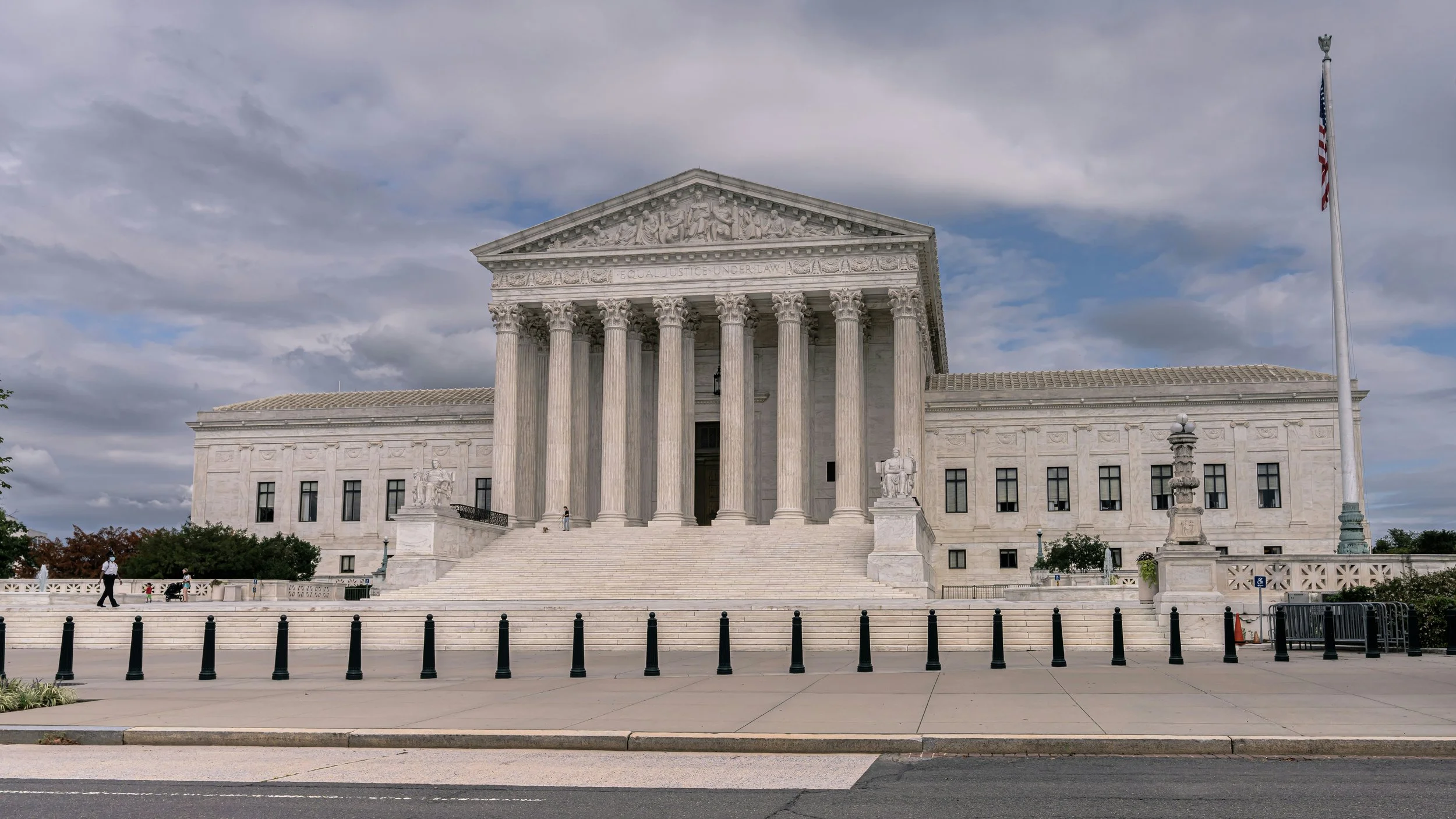
On February 20, 2026, the Supreme Court issued its decision in the consolidated tariffs cases, Learning Resources, Inc. v. Trump and Trump v. V.O.S. Selections, Inc., holding 6–3 that the International Emergency Economic Powers Act (IEEPA) does not authorize the President to impose tariffs. Writing for the majority, Chief Justice Roberts concluded that although IEEPA grants broad authority to regulate economic transactions during declared national emergencies, it does not include the distinct power to levy tariffs or duties — authorities constitutionally assigned to Congress under Article I. The Court further held that the Major Questions Doctrine applies even in the context of emergency statutes addressing foreign affairs, and that Congress must speak clearly if it intends to delegate tariff-setting authority of such vast economic and political significance. Because IEEPA contains no explicit reference to tariffs or duties, the challenged “Liberation Day” and reciprocal tariffs were deemed unlawful.

The Supreme Court’s decision in Learning Resources, Inc. v. Trump blocks the use of the International Emergency Economic Powers Act to impose tariffs, drawing an important statutory boundary around executive emergency authority. But the ruling turns on textual limits, not on scrutiny of the underlying emergency itself. As a result, while the Court prevented one expansion of presidential power, it left intact the broader architecture through which emergency declarations can accumulate authority over time. The case illustrates a central tension in contemporary governance: judicial intervention may constrain specific statutory overreach, even as the structural normalization of emergency power continues.

In January 2026, Guatemala invoked a 30-day state of siege after prison riots and coordinated attacks linked to the transnational gang Barrio 18 left 11 police officers dead. Ratified by Congress, the measure temporarily expanded police and military authority and was followed by a nationwide state of prevention once the siege expired. Government officials reported substantial security gains, including arrests, major drug seizures, and reductions in extortion and homicide. This analysis considers the episode through the framework of the state of exception, examining how constitutional democracies authorize extraordinary powers in moments of crisis and how those powers, even when formally time-bound, illuminate the delicate line between safeguarding public order and redefining the contours of ordinary law.

The Supreme Court’s consideration of Trump v. Slaughter raises more than a dispute over agency removal protections. In the accompanying Lawfare article, Michael R. Dreeben examines whether overruling Humphrey’s Executor might be counterbalanced by renewed limits on congressional delegation. ISSE’s analysis builds on that doctrinal discussion to explore a related structural question: how weakening agency independence could reshape the architecture of emergency governance. Together, the pieces illuminate how shifts in administrative design may alter not only separation-of-powers doctrine, but also the institutional channels through which exceptional authority is exercised.
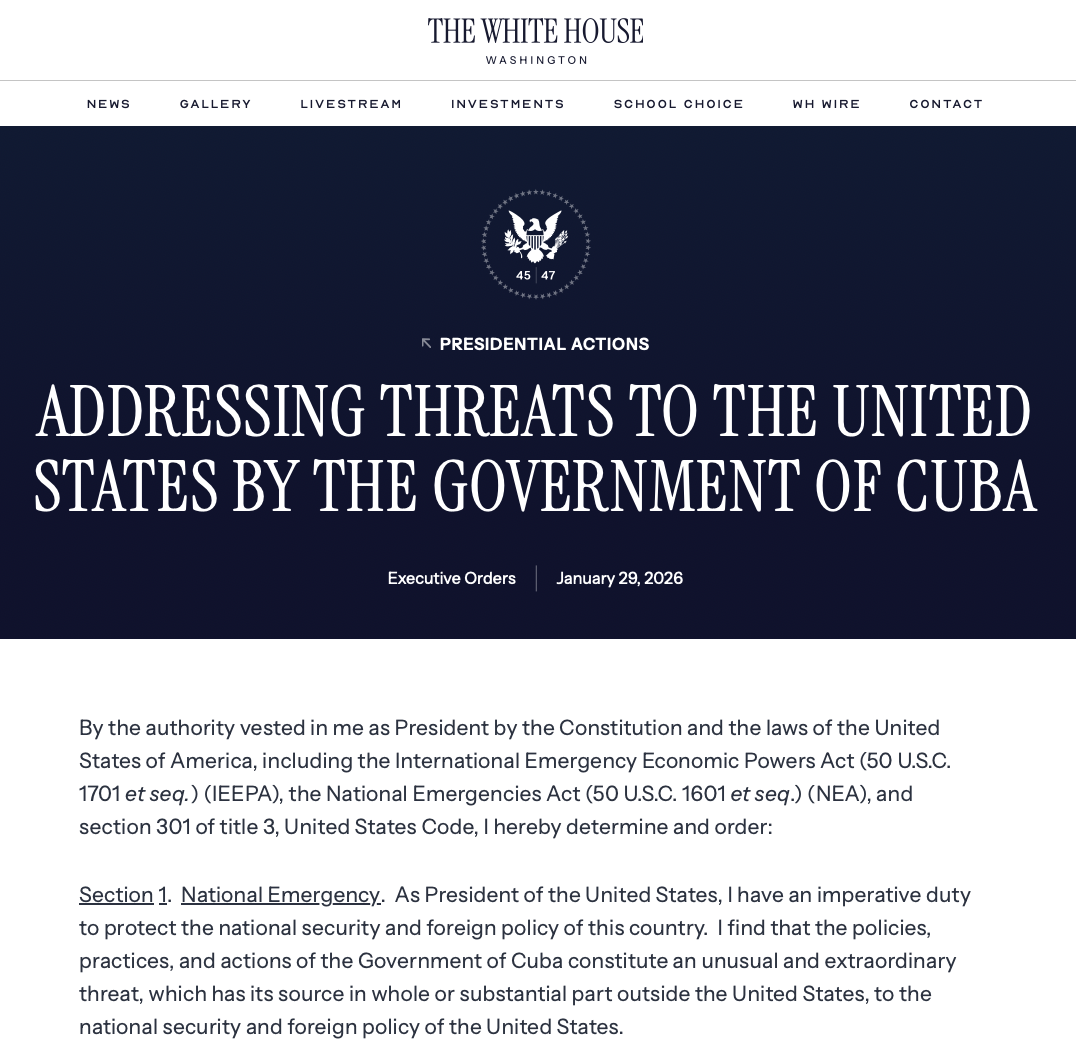
On January 29, 2026, U.S. President Donald J. Trump signed an Executive Order titled “Addressing Threats to the United States by the Government of Cuba,” declaring that the current geopolitical dynamics involving Cuba constitute an “unusual and extraordinary threat” to U.S. national security and foreign policy, and as such further constitute a formal national emergency under the National Emergencies Act (NEA) and the International Emergency Economic Powers Act (IEEPA).
This explainer situates the declaration within the broader framework of U.S. emergency powers, outlining the legal authorities invoked and the mechanisms through which the order is intended to be implemented. ISSE’s analysis focuses on clarifying how this emergency functions in practice, what it enables as a matter of law, and why its invocation matters in the context of the growing normalization of emergency authorities in U.S. governance. The piece is intended to provide readers with a clear, accessible account of the declaration itself and its immediate implications, rather than a normative assessment of U.S.-Cuba policy.
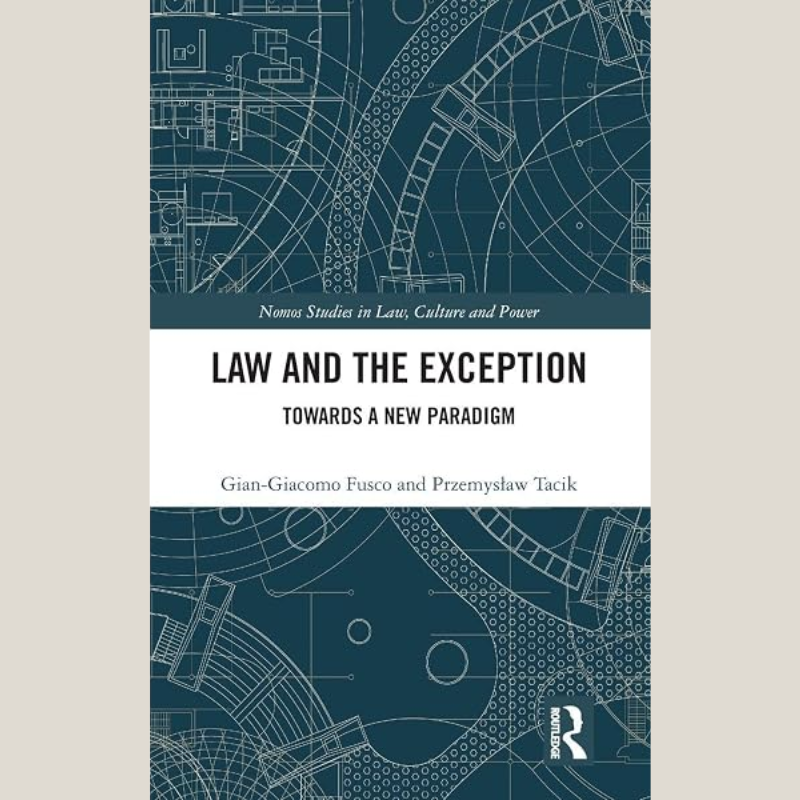
This book proposes a paradigm shift in the way that ‘the state of exception’–as it is usually named in legal and political theory–is to be understood. Building on the assumption that the exception is a heuristic idea that is still a relevant category for a critical deconstruction of law, this book argues that it needs to be rethought outside the boundaries of its traditional understanding. To this end, the book offers two strategies. First, it develops the ideas of ‘exceptionality’ and ‘exceptionalisation’ in order to grasp how measures, norms and mechanisms that clearly have an exceptional character are no longer confined within the boundaries of classic institutions such as the state of exception, martial law, the state of emergency and so on. As demonstrated recently during the COVID-19 pandemic, legal systems may dissimulate the exceptional as the normal, avoiding the use of formal states of exception and adopting measures that are of exceptional nature. This book maintains that it is necessary to think of ‘exceptionality’ outside of its usual legal footholds. Emergency laws are considered here as part of a more general sphere of exceptionality that must be understood as the product of a process of the accumulation of symbols, practices, notions and images that are only partially expressed through law, despite having long populated the legal imagination. Second, the book offers an analysis of the inner exceptional life of liberal constitutionalism: the subterranean authoritarian drives dissimulated by the rule of law.
This book will interest scholars and researchers in legal and political theory, as well as continental philosophy.

While public attention has recently focused on events in Venezuela and the ICE killing of Renee Good in Minneapolis, two court decisions issued shortly before Christmas (one by a federal district court and one by the Supreme Court) warrant closer scrutiny. In each case, the judiciary imposed at least temporary limits on the current administration’s assertion of extraordinary executive authority. Although neither arose from a formally declared state of emergency, both reflect an expansive conception of presidential power in which certain actions are treated as categorically insulated from judicial review.
In this respect, the cases illustrate how exceptional power may be exercised without explicit invocation of emergency authorities, not by suspending the law temporarily, but by asserting that entire domains of executive action lie beyond ordinary legal constraint. This mode of governance closely aligns with the most maximalist contours of unitary executive theory and functions as a de facto state of exception embedded within constitutional interpretation itself.

The U.S. capture of Venezuelan President Nicolás Maduro represents a striking assertion of state power beyond established international norms. Seizing a foreign leader by military force, whether that leader’s legitimacy is disputed or not, without international authorization or lawful justification undermines the basic rules designed to restrain conflict and protect sovereignty, including those set out in the United Nations Charter. Such actions do not occur in isolation; they reflect a broader pattern in which governments increasingly treat legal constraints as optional when exercising power. ISSE examines this episode as an example of how the normalization of exceptional measures erodes accountability and weakens the legal guardrails that underpin both international order and democratic governance.
In late December 2025, renewed media attention turned to Centro de Confinamiento del Terrorism (CECOT), El Salvador’s flagship mega-prison, after CBS news executives postponed a 60 Minutes broadcast of an investigative report about the facility, called “Inside CECOT.” While the media controversy itself is newsworthy, the importance of the investigative report highlights another important reality: CECOT is not an anomaly or a temporary security measure, but a central institution of a state of exception that has now governed El Salvador for nearly four uninterrupted years. On December 22, 2025, American journalist Yashar Ali claimed to have obtained a video portion of the postponed investigative report, and published it on his Substack “The Reset.” Ali’s Substack, and the included video portion alleged to be part of the postponed 60 Minutes segment, is included here by ISSE for research and informational purposes only.