
South Korea Sentences Former Justice Minister for 25 Years, Continuing Accountability Effort Following Failed December 2024 Martial Law Declaration
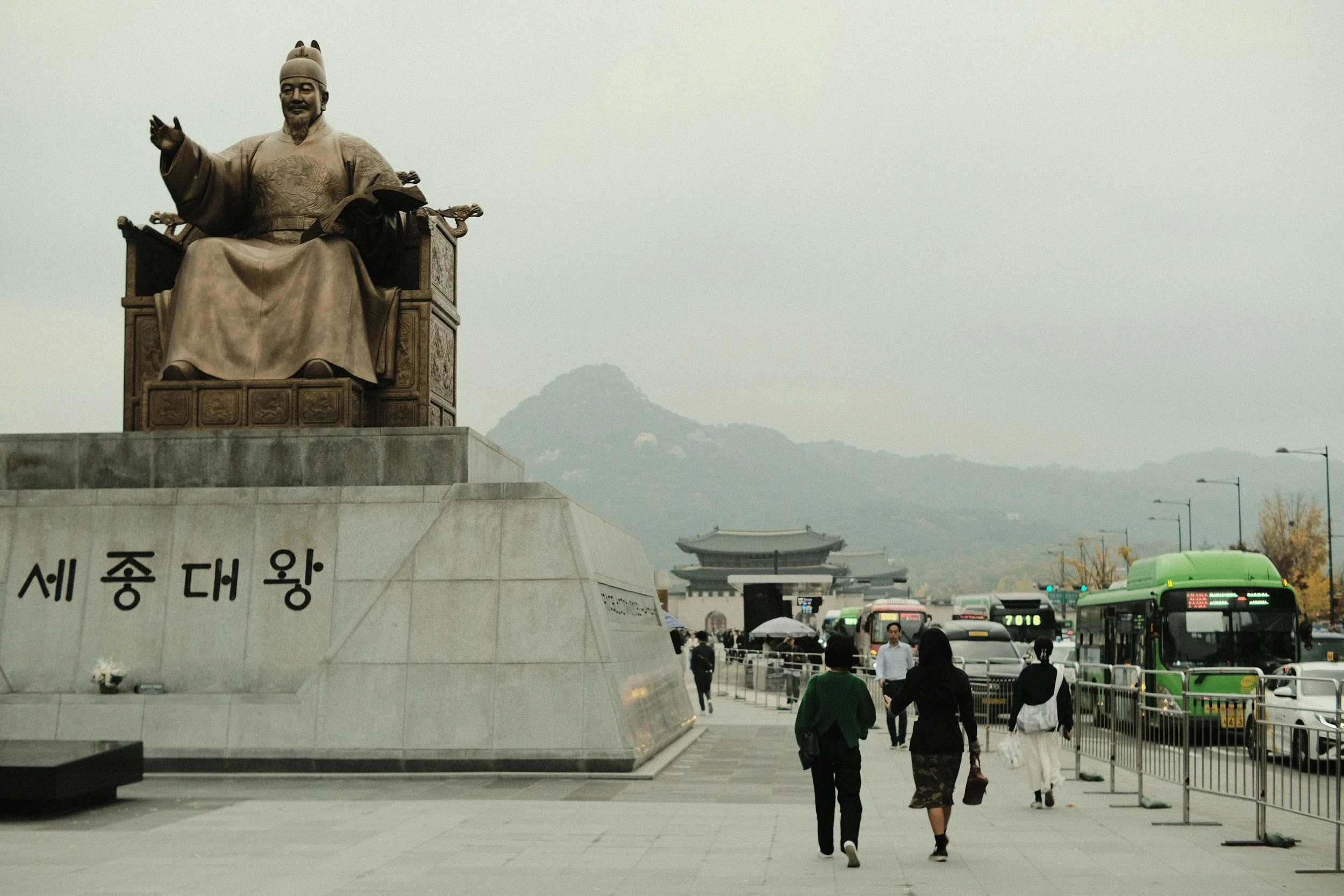
Photo by Austin Curtis on Unsplash
On June 22, 2026, former South Korean Justice Minister Park Sung-jae was sentenced to 25 years in prison for his role in former President Yoon Suk Yeol’s failed December 2024 martial law declaration. The Seoul Central District Court found Park guilty of insurrection, concluding that he used the authority of his office to help implement an unconstitutional emergency decree.
According to the court, Park instructed officials to prepare correctional facilities for the detention of opposition politicians, directed immigration authorities to arrange travel bans, and ordered subordinates to draft documents intended to justify the martial law measures after the National Assembly voted to lift them. The court concluded that these actions amounted to active participation in an effort to consolidate power through the abuse of extraordinary authority. Park denied the charges and received a 25-year prison sentence, five years longer than the term requested by special prosecutors. The ruling forms part of South Korea’s broader effort to hold senior officials accountable for the attempted use of emergency powers to undermine constitutional order.
The prosecution of Park is one of the most significant accountability measures arising from South Korea’s December 2024 constitutional crisis. Rather than focusing solely on the decision to declare martial law, the proceedings examined how ordinary government ministries and senior civilian officials participated in planning, implementing, and attempting to legitimize extraordinary emergency measures. The case illustrates how states of exception are frequently operationalized through existing civilian institutions and bureaucratic structures, in addition to military and security organizations.
For ISSE, South Korea continues to provide one of the most important contemporary case studies on the full life cycle of emergency governance. The country’s experience encompasses the declaration of extraordinary powers, institutional resistance by the National Assembly and judiciary, the termination of the emergency, constitutional review, and the criminal prosecution of senior officials alleged to have participated in the abuse of emergency authority. Together, these developments demonstrate that the study of states of exception extends beyond the invocation of emergency powers to include the mechanisms through which constitutional democracies investigate, adjudicate, and respond to their misuse.
ISSE will continue to monitor South Korea’s post-martial law proceedings as an important example of how democratic institutions seek to restore constitutional order, reinforce accountability, and strengthen safeguards against future abuses of extraordinary authority.
Read more about this case here.
