
Venezuela Declares Nationwide State of Emergency Following Devastating Earthquakes
June 2026 | Emergency Monitor
Country: Venezuela
Emergency Type: Nationwide State of Emergency (Natural Disaster)
Declared By: Interim President Delcy Rodríguez
Date Declared: June 24, 2026
Legal Status: Active
Duration: Not publicly specified
Geographic Scope: Nationwide, with the greatest impact in northern Venezuela
Primary Trigger: Twin earthquakes measuring 7.2 and 7.5 magnitude
What Happened?
On June 24, 2026, Venezuela declared a nationwide state of emergency after two powerful earthquakes measuring 7.2 and 7.5 struck just 39 seconds apart, causing widespread destruction across Caracas, La Guaira, and several northern states. The earthquakes, the strongest to strike Venezuela in more than a century, collapsed residential buildings, damaged roads, bridges, and public infrastructure, and generated dozens of aftershocks that have complicated rescue operations.
Interim President Delcy Rodríguez announced the emergency declaration on state television, stating that extraordinary measures were necessary to coordinate rescue efforts, mobilize national resources, and respond to what officials described as an unprecedented humanitarian disaster.
Why Was the Emergency Declared?
The declaration was issued in response to a catastrophic natural disaster rather than political unrest or an internal security crisis.
The earthquakes caused extensive structural damage across Venezuela’s northern Caribbean region, particularly in La Guaira State and the capital, Caracas. Entire residential complexes collapsed, transportation infrastructure suffered major damage, communications were disrupted, and hospitals were overwhelmed as thousands sought emergency medical treatment. Continued aftershocks forced repeated evacuations and delayed search-and-rescue operations.
Government officials stated that ordinary administrative authorities were insufficient to coordinate the nationwide emergency response, making extraordinary executive powers necessary to mobilize personnel, equipment, and humanitarian assistance.
What Powers Does the Emergency Grant?
Although the government has not released a comprehensive implementing decree, officials have indicated that the emergency declaration is intended to facilitate disaster response by allowing authorities to:
Coordinate national emergency operations across government agencies.
Mobilize military and civil defense resources for search-and-rescue operations.
Expedite emergency procurement and logistical support.
Restore transportation, communications, electricity, and other essential public services.
Coordinate and receive international humanitarian assistance.
Accelerate assessments of damaged housing and public infrastructure.
Authorities have also suspended classes in affected areas, temporarily closed damaged public facilities, and urged residents to avoid structures that may have been weakened by continuing aftershocks. At present, there has been no indication that the declaration includes broad suspensions of constitutional rights comparable to emergency measures adopted during political or security crises.
Current Situation
Five days after the earthquakes, rescue operations remain underway as international teams continue searching collapsed buildings for survivors. Several remarkable rescues have occurred well beyond the traditional 72-hour survival window, including the recovery of a father and son after four days beneath the rubble and another survivor after more than 100 hours.
The humanitarian situation, however, continues to deteriorate. Thousands remain displaced, aftershocks continue to affect northern Venezuela, and frustration has grown over the pace of relief efforts in some of the hardest-hit communities. Engineers have also raised concerns that decades of weak building-code enforcement and poor construction practices significantly increased the scale of the disaster, particularly in government housing projects.
International assistance from more than thirty countries has arrived, with foreign search-and-rescue teams, medical personnel, engineers, and humanitarian organizations supporting Venezuelan emergency services.
ISSE Analysis
From the perspective of states of exception, Venezuela’s declaration illustrates an important distinction between disaster emergencies and governance emergencies.
Natural disasters often require governments to exercise extraordinary administrative authority in order to save lives, coordinate emergency response, and restore essential services. Accelerated procurement, centralized coordination, emergency logistics, and military support to civilian authorities are common features of disaster response throughout the world and do not necessarily indicate democratic backsliding.
At the same time, disaster emergencies should not escape scrutiny simply because their initial justification is compelling. One of the central questions in the study of states of exception is whether extraordinary authorities remain closely tied to the emergency that prompted them or gradually evolve into more permanent features of governance.
Venezuela’s recent constitutional history makes that question particularly significant. The country has experienced prolonged periods of emergency governance under previous administrations, during which exceptional executive powers became intertwined with broader concerns about institutional independence, executive authority, and democratic accountability. That history means that even a clearly justified humanitarian emergency should be evaluated not only by its necessity at the moment of declaration, but also by its implementation, oversight, duration, and eventual termination.
For ISSE, the key issue is therefore not whether Venezuela required extraordinary emergency measures following catastrophic earthquakes—it almost certainly did—but whether those measures remain proportionate, transparent, and temporary as rescue operations transition into long-term recovery.
Why This Matters
Natural disasters present some of the clearest circumstances in which governments may legitimately require extraordinary legal authorities. Yet history demonstrates that even well-justified emergency powers should remain subject to oversight and should expire once the circumstances that necessitated them have passed.
Venezuela’s response provides an opportunity to examine how democratic accountability, humanitarian necessity, and executive emergency powers interact during one of the country’s most severe natural disasters in modern history.
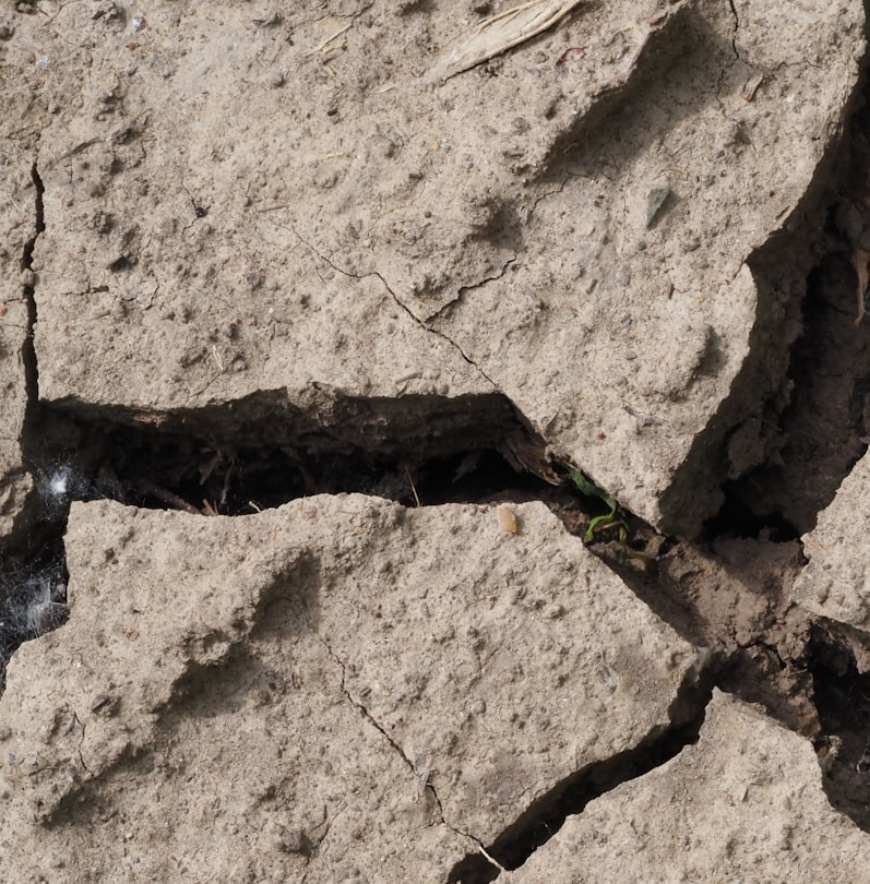
Photo by Yuri Antonenko on Unsplash.
