
Cincinnatus and the Constitutional Ideal of Temporary Power
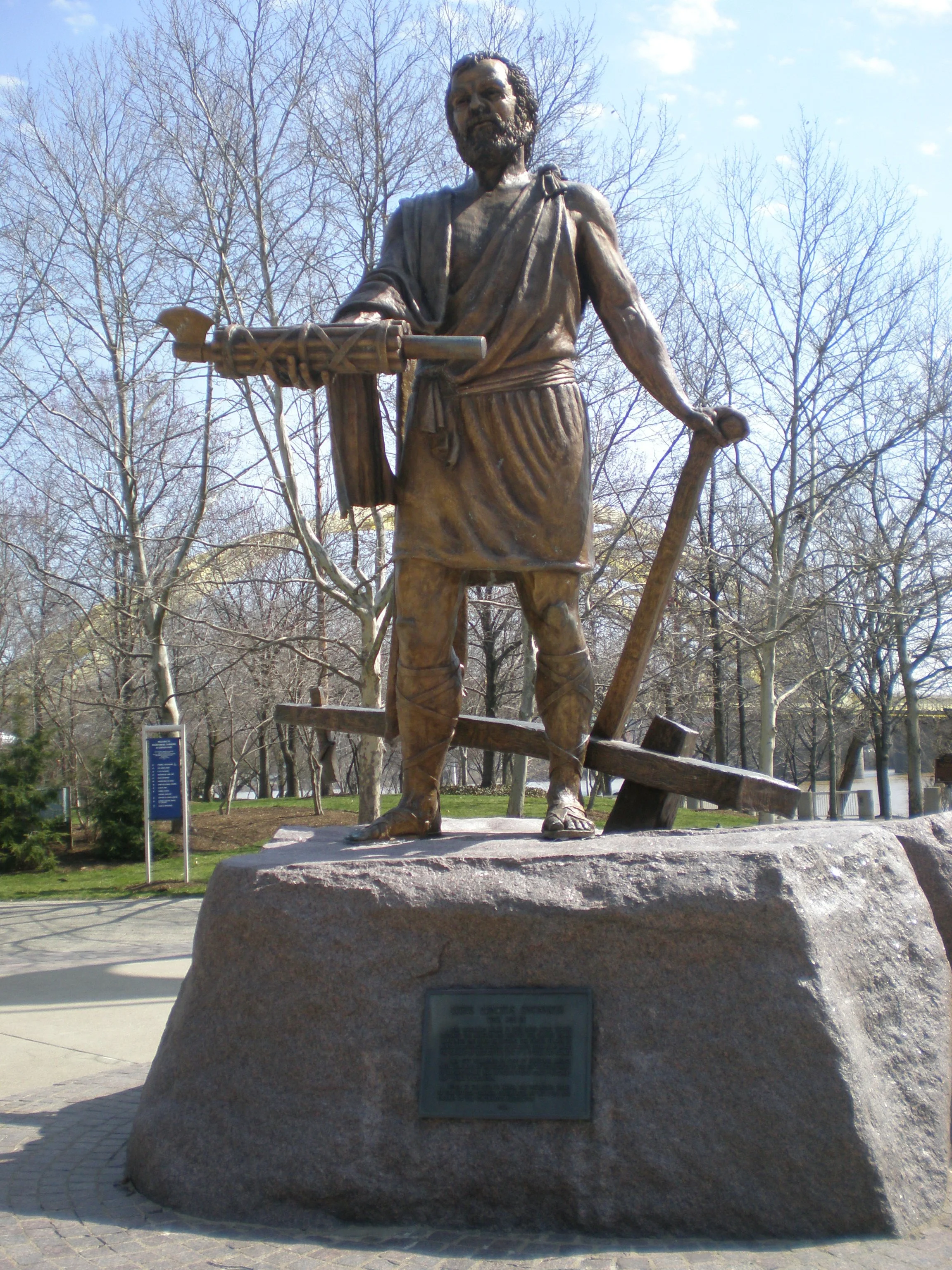
Introduction
Among the enduring symbols of constitutional government, few figures have exercised greater influence than Lucius Quinctius Cincinnatus. Whether viewed as a historical statesman, a legendary hero, or some combination of the two, Cincinnatus has for more than two millennia represented one of the central ideals of republican government: that extraordinary powers should be exercised only when genuinely necessary, only for as long as necessary, and then willingly surrendered.
According to Roman tradition, Cincinnatus was called from his modest farm during a military emergency threatening the Roman Republic. Appointed dictator (a constitutional office that temporarily vested one individual with extraordinary authority to confront an existential crisis) he organized the defense of Rome, secured victory, resigned his office within days, and returned to his fields. His lasting legacy was not simply that he saved the Republic, but that he relinquished absolute authority once the emergency had passed.
Whether every detail of the story is historically accurate is ultimately less important than what the tradition came to represent. For generations of Romans, and later for political thinkers across Europe and the United States, Cincinnatus embodied the principle that exceptional authority exists to preserve constitutional government, not to replace it.
Why This Matters
The Institute for the Study of States of Exception (ISSE) examines how governments invoke and exercise extraordinary powers during times of crisis. Much contemporary attention understandably focuses on how emergency authorities are acquired, expanded, or abused. The story of Cincinnatus reminds us that an equally important constitutional question is how, and whether, those powers are surrendered.
Throughout history, constitutional systems have recognized that emergencies may require governments to act with speed, flexibility, and powers unavailable under ordinary conditions. The challenge has never been solely the creation of emergency authority. Rather, it has been ensuring that exceptional powers remain temporary, proportionate, and accountable, and that ordinary constitutional governance is restored once the crisis has ended.
In this sense, Cincinnatus represents an enduring constitutional ideal. He symbolizes the principle that legitimacy rests not only in exercising extraordinary authority effectively, but also in voluntarily relinquishing it when its necessity has passed. His example stands in deliberate contrast to the recurring historical pattern in which emergency powers become normalized, temporary measures become permanent institutions, and exceptional governance gradually replaces ordinary constitutional rule.
A Continuing Constitutional Question
The story of Cincinnatus continues to resonate because it raises a question that remains as relevant today as it was in the Roman Republic: What distinguishes a constitutional emergency from the beginning of permanent executive rule?
Modern democracies continue to grapple with this question in response to war, terrorism, pandemics, natural disasters, economic crises, migration, cyber threats, and other emergencies. While the legal frameworks have evolved, the underlying constitutional dilemma remains remarkably consistent. Extraordinary authority may sometimes be necessary to preserve the state, but its legitimacy depends not only on how it is exercised, but on whether it remains genuinely exceptional.
For ISSE, Cincinnatus serves not as an uncritical hero but as a constitutional archetype. His story reminds us that the defining characteristic of legitimate emergency power is not simply that it is effective in moments of crisis, but that it remains temporary. The willingness to restore ordinary constitutional government after extraordinary authority has been exercised remains one of the oldest—and most enduring—principles of constitutional democracy.
Further Reading
Readers interested in the historical tradition surrounding Cincinnatus may consult Donald L. Wasson's overview, Cincinnatus, published by the World History Encyclopedia, which provides a concise account of the legend, its historical context, and its enduring influence on Roman political thought.
