

All Content
Welcome to the Institute for the Study of States of Exception (ISSE) main content page, a single source for all posts from the Institute, including commentary on global events, book reviews, academic literature, links to our podcasts, and additional resources. Check back regularly for more content from us.
“Sovereign is he who decides the exception.”
— Carl Schmitt (Political Theology: Four Chapters on the Concept of Sovereignty, 1922)

Five Years After Saied’s Power Grab, Tunisia Is Isolated and Unmoored - Washington Institute for Near East Policy
Five years after President Kais Saied invoked emergency powers and suspended Tunisia’s parliament, this article examines the country’s subsequent shift toward concentrated executive rule, political repression, international isolation, and economic vulnerability. It also considers how the United States and Europe might reengage Tunisia and support reform while confronting the lasting institutional consequences of a state of exception that evolved into a broader transformation of constitutional governance.

DC Crime Isn’t an “Emergency,” but Normalizing Troops in U.S. Streets Is - Brennan Center
The Brennan Center’s Joseph Nunn examines the prolonged deployment of National Guard forces in Washington, D.C., arguing that the more significant constitutional issue is not the initial invocation of emergency authority but the normalization of a sustained military role in civilian governance. The article explores broader questions about the temporal limits of emergency powers, the domestic use of military forces, and the constitutional risks that arise when exceptional measures become part of ordinary government practice.

The Unbearable Weight of Capture: The Shift of Peaceful Data to a Latent Weapon of War - The European Sociologist
Janos Mark Szakolczai examines how information generated during seemingly ordinary or peaceful conditions can become a latent instrument of coercion, surveillance, and warfare when political circumstances change. Drawing on the concept of capta, Agamben’s state of exception, and examples ranging from the Prague Spring to contemporary AI-enabled security systems, the article explores how exceptional powers can become embedded in enduring data infrastructures long after the circumstances that produced them have changed.

A Polish Warning for Post-Orbán Hungary: ‘We’ve Been Here Before.’ - OCCRP
Drawing on Poland's own experience recovering from democratic backsliding, investigative journalist Wojciech Cieśla examines the institutional challenges Hungary faces following the end of Viktor Orbán's sixteen years in power. The article explores the difficult process of rebuilding courts, media, and constitutional institutions after prolonged executive consolidation, offering important insights into how democracies recover from periods of exceptional governance.

Deference Should Follow Expertise, Not Pretext: Anthropic v. Department of War and the Case for Squaring Trump v. Hawaii with Department of Commerce v. New York - Just Security
This article by ISSE Research Fellow Yuvraj Tuli, published in Just Security, examines how courts should distinguish between legitimate national security judgments and the use of national security authorities as a pretext for unrelated political or administrative objectives. It explores when judicial deference to executive claims of national security is warranted, and when constitutional accountability requires more searching judicial review.
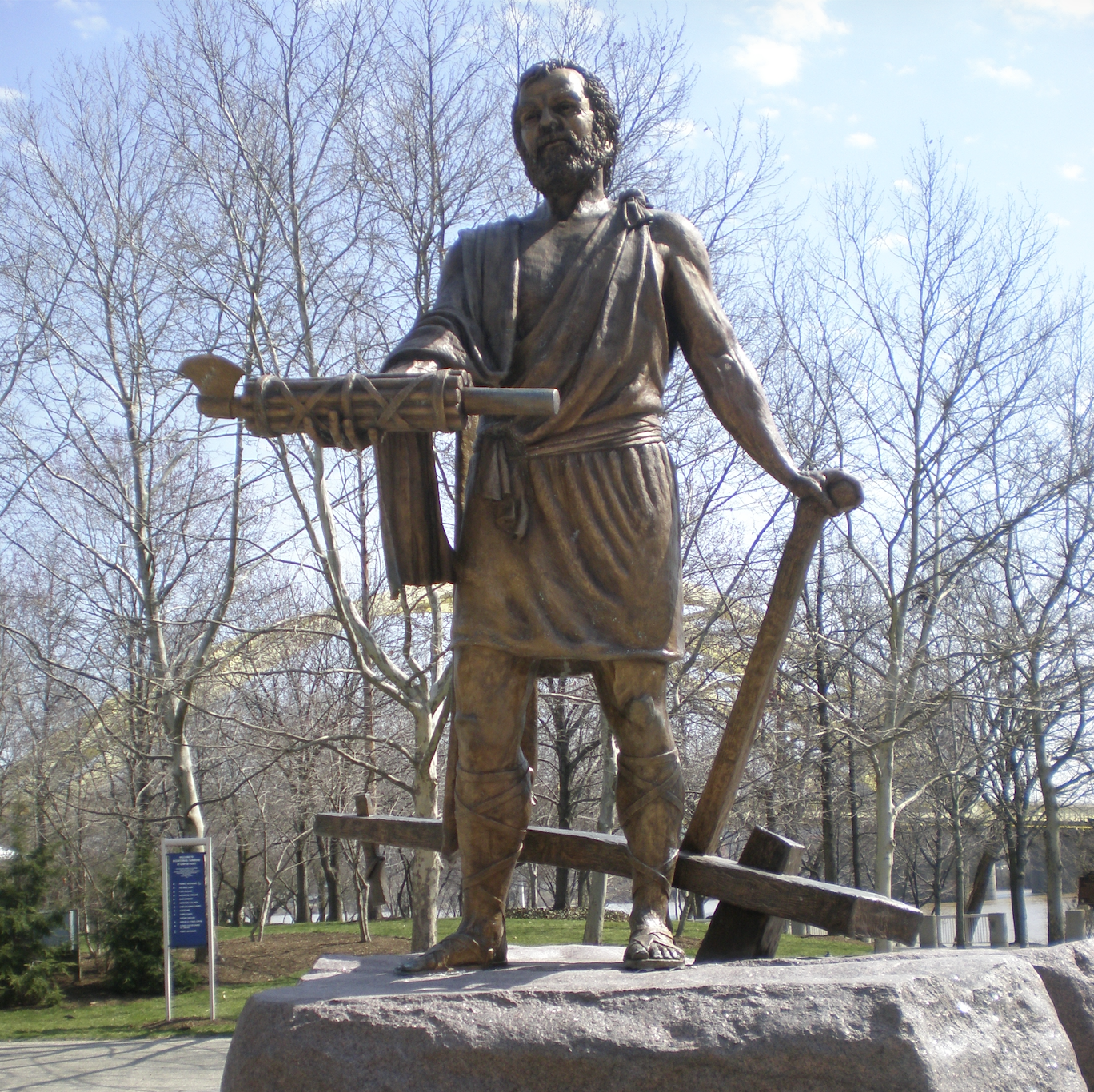
Cincinnatus and the Constitutional Ideal of Temporary Power
The Roman statesman Cincinnatus has long symbolized the constitutional principle that extraordinary powers should be exercised only when genuinely necessary and relinquished once the crisis has passed. His enduring legacy illustrates one of the oldest and most important safeguards of constitutional government: that emergency authority derives its legitimacy not only from necessity, but from its temporary character.