

All Content
Welcome to the Institute for the Study of States of Exception (ISSE) main content page, a single source for all posts from the Institute, including commentary on global events, book reviews, academic literature, links to our podcasts, and additional resources. Check back regularly for more content from us.
“Sovereign is he who decides the exception.”
— Carl Schmitt (Political Theology: Four Chapters on the Concept of Sovereignty, 1922)

DC Crime Isn’t an “Emergency,” but Normalizing Troops in U.S. Streets Is - Brennan Center
The Brennan Center’s Joseph Nunn examines the prolonged deployment of National Guard forces in Washington, D.C., arguing that the more significant constitutional issue is not the initial invocation of emergency authority but the normalization of a sustained military role in civilian governance. The article explores broader questions about the temporal limits of emergency powers, the domestic use of military forces, and the constitutional risks that arise when exceptional measures become part of ordinary government practice.

Sovereign presidential lawfare in the populist context
Through the Polish Kamiński and Wąsik case, Michał Stambulski develops the concept of "sovereign presidential lawfare," examining how constitutionally grounded presidential powers can be used to reshape the balance between the executive and judiciary without formally changing the constitutional order. The article offers a valuable framework for understanding how exceptional executive authorities may gradually transform democratic governance through legally authorized but structurally significant interventions.
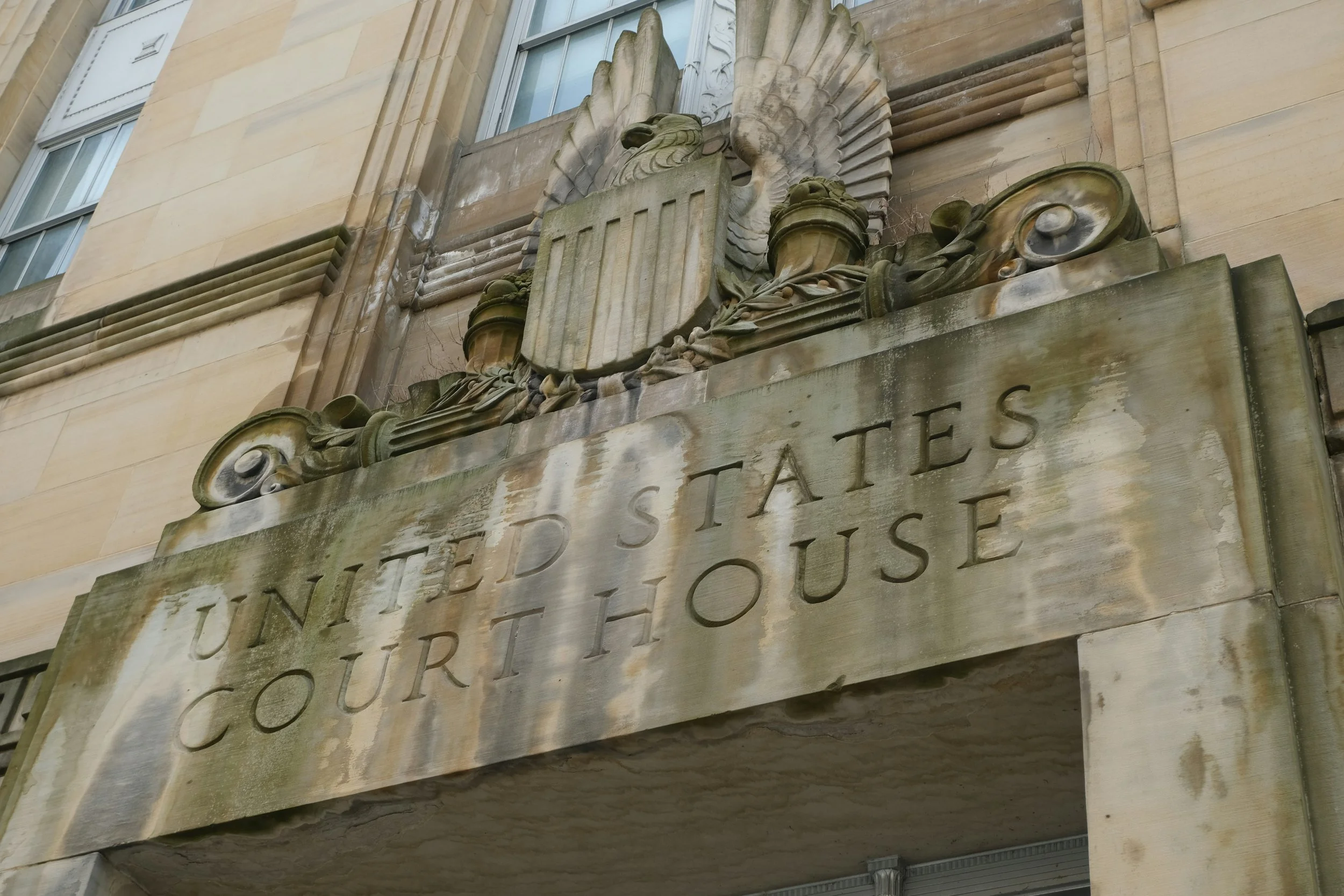
Deference Should Follow Expertise, Not Pretext: Anthropic v. Department of War and the Case for Squaring Trump v. Hawaii with Department of Commerce v. New York - Just Security
This article by ISSE Research Fellow Yuvraj Tuli, published in Just Security, examines how courts should distinguish between legitimate national security judgments and the use of national security authorities as a pretext for unrelated political or administrative objectives. It explores when judicial deference to executive claims of national security is warranted, and when constitutional accountability requires more searching judicial review.

From Crime to Constitutional Crisis: The Legality of El Salvador’s State of Exception
This article examines El Salvador's prolonged State of Exception, arguing that while extraordinary emergency powers may have been legally justified when first adopted to confront unprecedented gang violence, their continued renewal after the crisis has substantially diminished raises serious constitutional and international legal concerns. The article explores one of the defining questions of emergency governance: when temporary emergency powers cease to be exceptional and instead become part of ordinary government.

Delhi Renews Preventive Detention Authority Under India's National Security Act
As of July 7, 2026, Indian authorities have renewed the delegation of preventive detention powers under the National Security Act, allowing designated officials to order detention without ordinary criminal charges during a period of heightened political sensitivity following nationwide protests. The case illustrates how extraordinary executive powers can be exercised through standing statutory authorities rather than formally declared constitutional emergencies, highlighting an increasingly important form of embedded exceptionality within ordinary governance.

Competing Perspectives on the Unitary Executive Theory - American Enterprise Institute
In this discussion hosted by the American Enterprise Institute, John Yoo, William Galston, and Ilya Somin examine competing constitutional theories of executive power, separation of powers, independent agencies, war powers, and the original understanding of Article II against the backdrop of major Supreme Court cases concerning the unitary executive. The panel explores enduring questions about the constitutional limits of presidential authority and how competing interpretations of executive power continue to shape American constitutional governance.
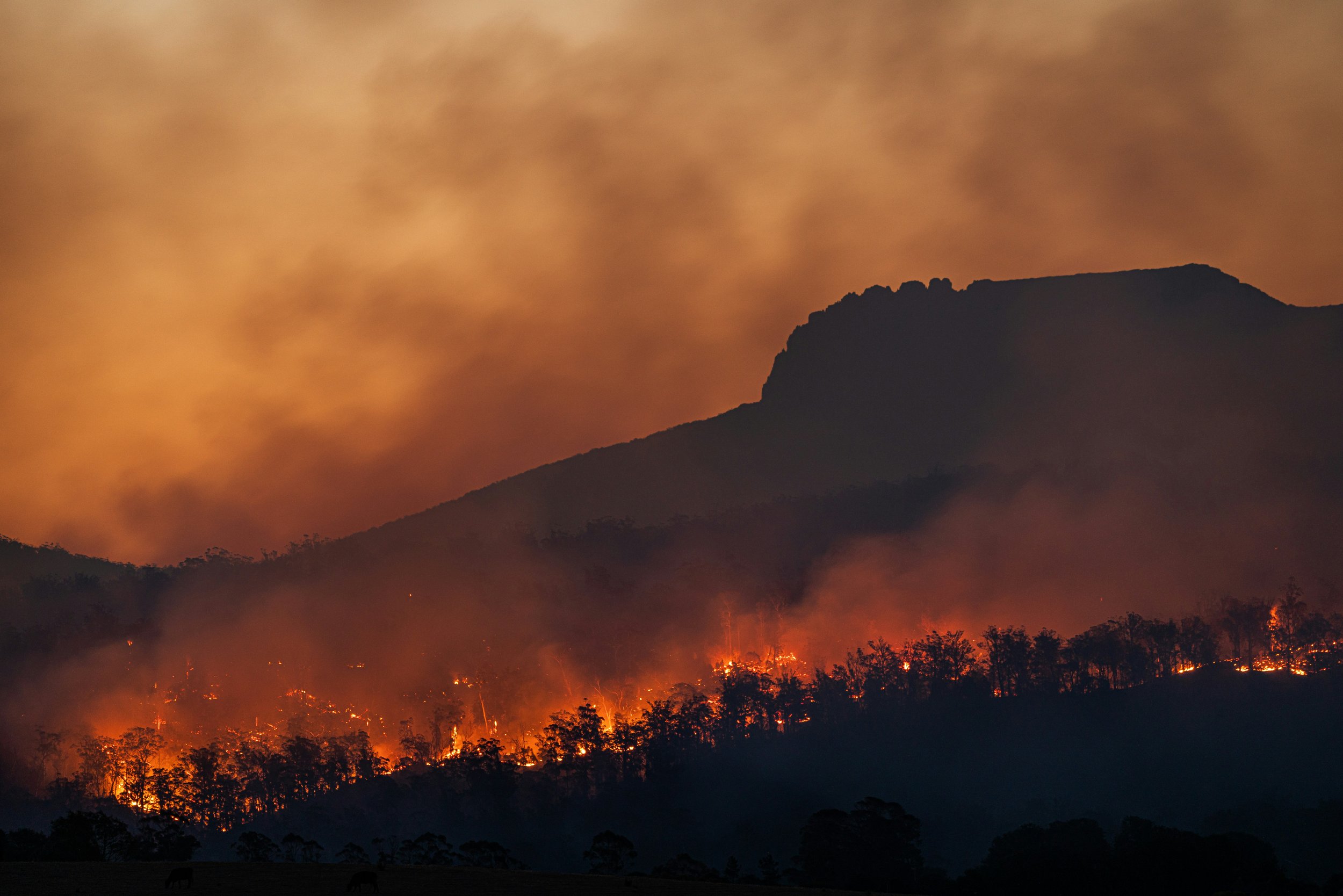
Spain Activates National Civil Protection Emergency for Major Wildfires
On July 23, 2026, Spain activated an Emergency of National Interest for the first time in response to a wildfire crisis, temporarily centralizing national coordination of disaster response as fires spread across multiple autonomous communities during an intense heat wave. The declaration illustrates how democratic governments can reallocate operational authority through existing statutory emergency frameworks while leaving the constitutional order and ordinary civil liberties intact, highlighting an increasingly important model of emergency governance in an era of climate-driven disasters.
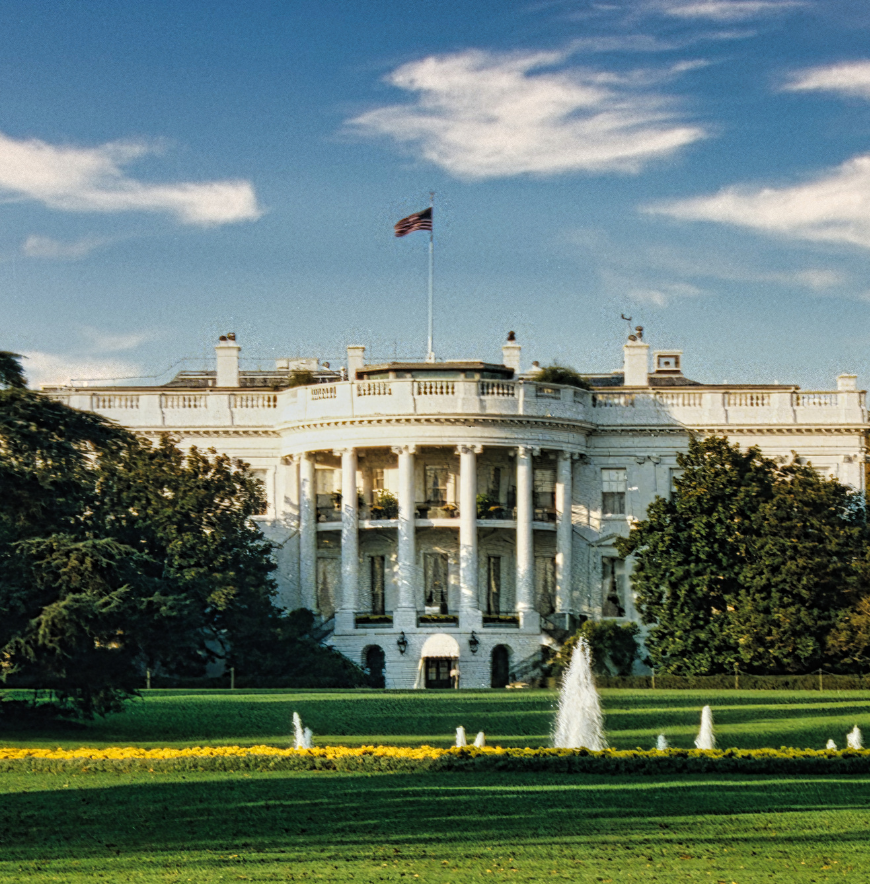
United States Invokes Tariff Act Emergency Authority to Facilitate Moroccan Phosphate Fertilizer Imports
On June 29, 2026, President Trump invoked a little-known emergency authority under the Tariff Act of 1930 to temporarily suspend certain trade remedies on phosphate fertilizer imports from Morocco in response to global supply disruptions affecting American agriculture. ISSE examines this rarely used statutory emergency mechanism and explains how it differs from broader national emergency declarations, illustrating the growing role of sector-specific emergency powers in addressing supply chain and economic crises.
The Supreme Court is Moving More Cases into the Shadows - Brennan Center
This analysis by Ashleigh Maciolek at the Brennan Center for Justice examines the Supreme Court's increasing reliance on its emergency, or "shadow," docket, noting that for the first time the Court resolved more substantive matters through expedited emergency procedures than through its traditional merits docket. Particularly relevant to ISSE's work, the article raises broader questions about how institutional procedures originally designed for exceptional circumstances can gradually become normalized within ordinary constitutional governance.
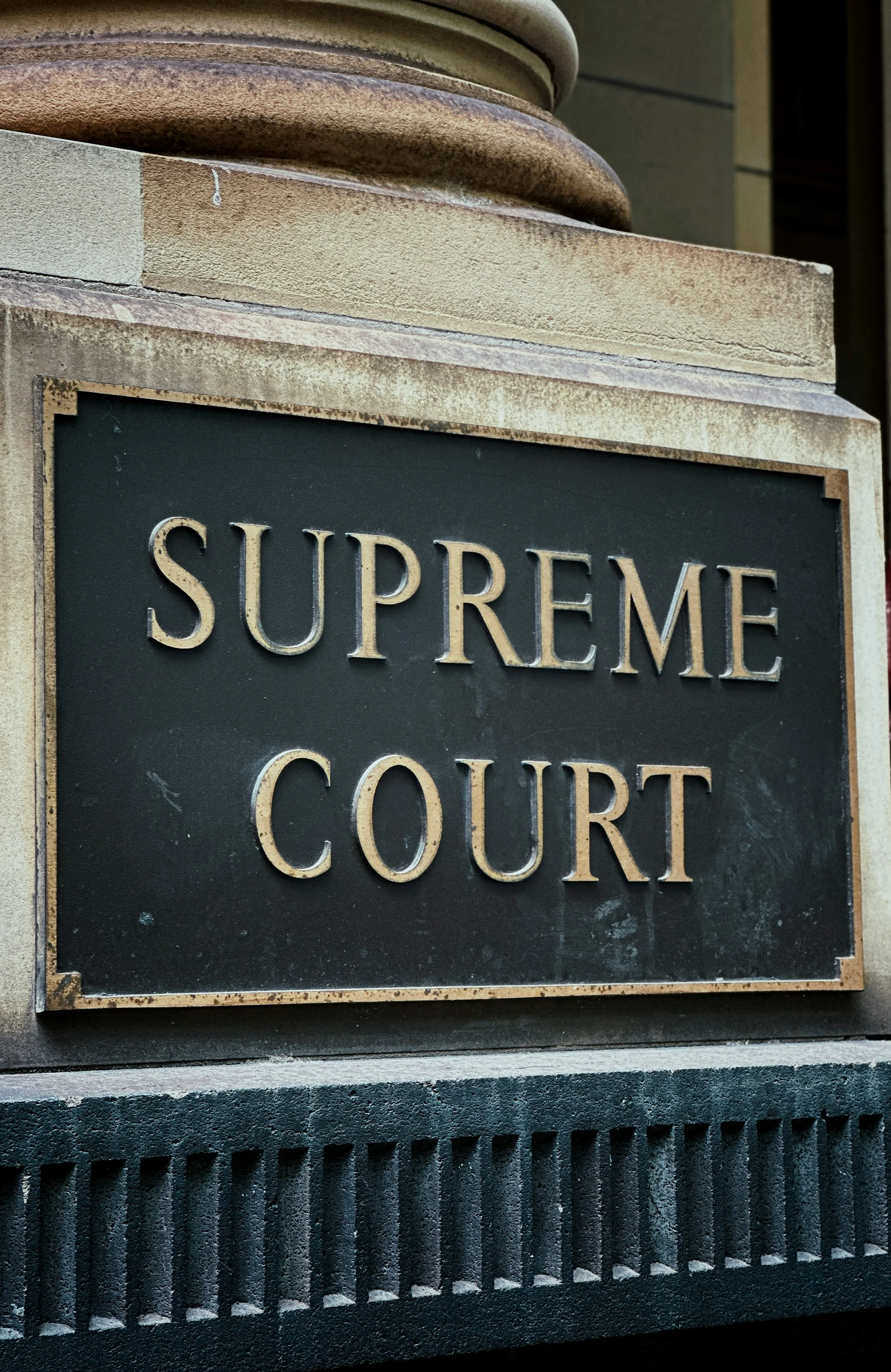
The Supreme Court's (Self-Defeating) Supremacy
In this provocative essay, Stephen Vladeck argues that a defining feature of the Roberts Court’s emergency docket jurisprudence has been an effort to preserve and reinforce the Supreme Court’s institutional supremacy, often at the expense of lower courts and Congress while enabling expansive exercises of executive authority. The article raises broader questions about whether exceptional authority can become concentrated within judicial institutions as well as executive ones, and how the normalization of extraordinary power across multiple branches of government may affect democratic accountability, institutional legitimacy, and the constitutional balance of power.

Russian Occupation Authorities Declare State of Emergency in Crimea
Russian-installed authorities in occupied Crimea have declared a regional state of emergency following sustained Ukrainian strikes on energy infrastructure and military logistics. ISSE examines the declaration through the lens of international humanitarian law, exploring how emergency powers operate under military occupation and why this case differs fundamentally from emergencies declared by sovereign governments.

Interring the Unitary Executive
The President’s power to remove and control subordinate executive officers has sparked a constitutional debate that began in 1789 and rages on today. Leading originalists claim that the Constitution created a “unitary executive” President whose plenary removal power affords her “exclusive control” over subordinates’ exercise of executive power. Text assigning the President a removal power and exclusive control appears nowhere in the Constitution, however, and unitary scholars have instead relied on select historical understandings and negative inferences drawn from a supposed lack of independent regulatory structures at the Founding. The comprehensive historical record introduced by this article lays this debate to rest...

Venezuela Declares Nationwide State of Emergency Following Devastating Earthquakes
On June 24, 2026, Venezuela declared a nationwide state of emergency following the most destructive earthquakes to strike the country in more than a century. ISSE examines the legal authorities invoked, the distinction between disaster-related and governance emergencies, and why even well-justified emergency powers should remain proportionate, transparent, and temporary.

Presidential Discretion and the Insurrection Act - Lawfare
In this Lawfare essay, George Croner examines recent court decisions addressing presidential authority to federalize the National Guard and considers what those rulings may mean for future invocations of the Insurrection Act, arguing that courts retain a critical role in reviewing whether presidents have satisfied the statutory conditions necessary to exercise extraordinary domestic emergency powers. The article explores how judicial oversight can serve as an important safeguard against the expansion and normalization of exceptional executive authority within ordinary constitutional governance.

Bolivia Declares 90-Day State of Emergency Amid Nationwide Protests
On June 20, 2026, Bolivia declared a 90-day nationwide state of emergency after weeks of protests and road blockades disrupted fuel supplies, transportation, and access to essential services. ISSE examines the legal authorities invoked, the role of legislative oversight, and what the declaration reveals about how democratic governments use emergency powers during periods of prolonged political and economic crisis.

Why Is the Weaponization Report So… Normal? - Lawfare
Kate Gilbert examines how the Department of Justice’s report uses the language of ordinary bureaucracy to frame extraordinary political claims. The article raises questions central to ISSE’s work: how exceptional political logics become embedded within routine democratic governance and how expansive interpretations of Unitary Executive Theory may reshape democratic governance.
ISSE Explainer: When Executive Power Becomes Exceptional — Unitary Executive Theory as a State of Exception
How can the most expansive forms of the unitary executive theory function as a standing state of exception within constitutional law? ISSE puts the recent legal disputes over the revocation of security clearances and the attempted federalization of National Guard within a deeper theory of presidential power.

The Unitary Executive Theory in Comparative Contrast
Should the Supreme Court craft a new rule of constitutional law cementing presidential control over the executive branch of government? Using the case studies of recent democratic decline in Hungary, Poland, and Turkey, David M. Driesen unpacks the implications of expanding executive authority.

The Unitary Executive Theory with Mark Rozell - Bill of Rights Institute, Scholar Talks series
How has the use of presidential “czars” undermined Congress and the Constitution? Dr. Mark J. Rozell discusses his newest book “Unitary Executive Theory: A Danger to Constitutional Government.”

A Threat to the Constitutional Order - American Enterprise Institute
Examining the Supreme Court’s consideration of the Trump v. Slaughter case, Peter J. Wallison argues that permitting presidents to remove officials from independent regulatory agencies without a cause would fundamentally alter the balance between Congress and the executive branch. Relevant to ISSE’s work, Wallison warns that subtle judicial reinterpretations of constitutional structure over time accumulate excessive concentrations of executive power.