
United States Declares National Emergency to Secure the Bulk-Power System
August 2026 | Emergency Monitor
Country: United States
Emergency Type: National Emergency (Critical Infrastructure/Energy Security/Supply Chain Security)
Legal Authority: National Emergencies Act (50 U.S.C. § 1601 et seq.); International Emergency Economic Powers Act (50 U.S.C. § 1701 et seq.); Executive Order 14420, issued by President Donald J. Trump
Date Declared: August 26, 2026
Duration: Continues until terminated by the President or by operation of the National Emergencies Act, subject to annual renewal
What Happened?
On August 26, 2026, President Donald Trump issued Executive Order 14420, declaring a national emergency under the National Emergencies Act (NEA) and the International Emergency Economic Powers Act (IEEPA) in response to what the Administration describes as growing national security risks associated with foreign-produced equipment used in the United States bulk-power system.
According to the Executive Order, foreign actors are increasingly capable of exploiting vulnerabilities within the electrical grid through equipment that may contain malicious hardware, software, firmware, or remote-access capabilities. The Administration argues that the rapid expansion of artificial intelligence, advanced manufacturing, defense production, and large-scale data centers has made the United States more dependent than ever on secure and reliable electricity, thereby increasing the strategic importance of protecting the nation's electric grid.
The Order concludes that continued reliance on certain foreign-produced bulk-power system equipment constitutes an "unusual and extraordinary threat" originating substantially outside the United States, thereby satisfying the statutory standard for declaring a national emergency under IEEPA and the NEA.
The Administration identifies two principal concerns:
The possibility that foreign-produced equipment could contain hidden vulnerabilities or remote-access capabilities capable of facilitating cyber intrusion, sabotage, or disruption.
The broader strategic risk created by continued dependence on foreign supply chains for equipment essential to the operation of the nation's electric grid.
Unlike traditional energy emergencies involving shortages of fuel or electricity, this declaration focuses primarily on critical infrastructure security and supply-chain resilience.
What Powers Does the Declaration Grant?
Executive Order 14420 authorizes the Secretary of Energy to regulate transactions involving foreign-produced bulk-power system equipment whenever specified national security criteria are met.
Among other authorities, the Order permits the Department of Energy to:
Prohibit the acquisition, importation, transfer, or installation of specified foreign-produced bulk-power system equipment determined to present unacceptable national security risks.
Impose conditions on the continued operation, maintenance, monitoring, updating, or replacement of foreign-manufactured equipment already installed within the United States.
Require the isolation, disconnection, replacement, or removal of equipment determined to present unacceptable risks, while considering reliability and continuity of service.
Develop mitigation agreements that could allow otherwise prohibited transactions to proceed under specified conditions.
Establish lists of pre-qualified equipment and trusted vendors eligible for future procurement.
Issue implementing regulations, licensing procedures, and guidance within 120 days.
Recommend revisions to the Federal Acquisition Regulation (FAR) that would prioritize secure and domestically manufactured energy infrastructure in future federal procurement.
Report periodically to Congress regarding implementation of the emergency authorities.
The Order applies not only to physical equipment but also to associated software, firmware, digital services, maintenance services, and remote-access capabilities connected to covered bulk-power infrastructure.
Current Situation
The national emergency is currently in effect.
The Department of Energy has been directed to issue implementing regulations within 120 days and to identify categories of equipment, vendors, and foreign entities that may present unacceptable risks to the security of the United States bulk-power system. The Department is also required to develop recommendations regarding existing equipment that may warrant monitoring, mitigation, replacement, or removal.
In the meantime, the declaration establishes the legal framework under which future restrictions, licensing decisions, and procurement policies will be developed.
ISSE Analysis
This Executive Order represents a noteworthy example of the contemporary use of the National Emergencies Act in conjunction with IEEPA to address vulnerabilities within critical infrastructure rather than responding to an immediate physical crisis.
Unlike emergency declarations associated with natural disasters or armed conflict, this declaration is preventive in nature. It is based upon the Administration's assessment that vulnerabilities embedded within the nation's electrical infrastructure—including hardware, software, firmware, and digital supply chains—could be exploited in the future by foreign actors. The declaration therefore treats potential technological vulnerability itself as the emergency condition.
The Order also illustrates the continuing expansion of emergency governance into the domain of supply-chain security. Rather than focusing solely on the physical operation of the electric grid, the declaration extends emergency authorities to procurement decisions, vendor qualification, lifecycle maintenance, software updates, and long-term infrastructure planning. In doing so, it reflects the increasingly blurred boundaries between cybersecurity, industrial policy, national defense, and emergency management.
From the perspective of states of exception, the Order demonstrates how emergency powers can function not merely as temporary crisis-response tools but also as mechanisms for restructuring administrative authority over strategically important sectors of the economy. The declaration delegates substantial discretion to executive agencies to determine which foreign entities, products, and transactions present unacceptable risks, while establishing a regulatory framework that will continue to evolve after the emergency declaration itself.
This declaration also reflects a broader trend visible across recent emergency governance: governments increasingly characterize resilience itself—particularly resilience of critical infrastructure, digital systems, and supply chains—as a matter of national security, thereby expanding the range of circumstances in which emergency authorities may be invoked.
Why This Matters
The United States has increasingly relied upon emergency authorities not only to respond to immediate crises but also to address long-term strategic risks involving cybersecurity, critical infrastructure, technology, and global supply chains.
Executive Order 14420 illustrates how emergency powers are being adapted to confront emerging vulnerabilities associated with interconnected digital infrastructure and foreign technological dependence. For scholars of emergency governance, it provides an important example of how modern states increasingly invoke exceptional legal authorities to manage anticipatory risks rather than responding solely to unfolding emergencies, highlighting the expanding role of emergency law in the governance of critical infrastructure and national resilience.
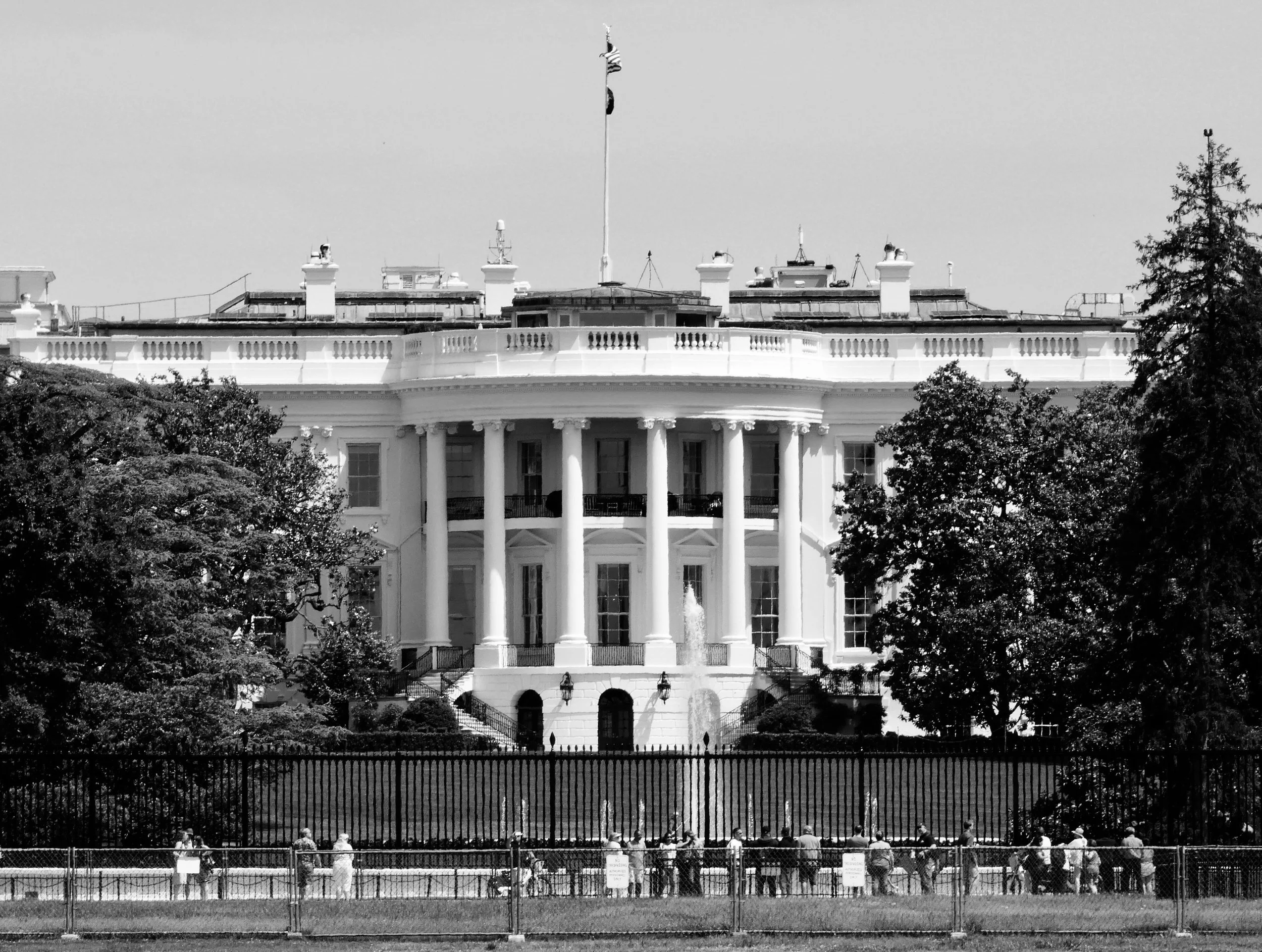
Photo by Chris on Pexels.
