

All Content
Welcome to the Institute for the Study of States of Exception (ISSE) main content page, a single source for all posts from the Institute, including commentary on global events, book reviews, academic literature, links to our podcasts, and additional resources. Check back regularly for more content from us.
“Sovereign is he who decides the exception.”
— Carl Schmitt (Political Theology: Four Chapters on the Concept of Sovereignty, 1922)

Digital Preparedness: A New Modality of Governance
This article introduces the concept of "digital preparedness" to explain how emergency-driven digital infrastructures created during the COVID-19 pandemic can become permanent features of ordinary governance, reshaping the relationship between data, executive authority, and individual rights. Through a detailed case study of Norway's preparedness registry, the authors explore how crisis responses may accelerate lasting institutional and regulatory change, offering a new framework for understanding exceptional governance in the digital age.
Sovereign presidential lawfare in the populist context
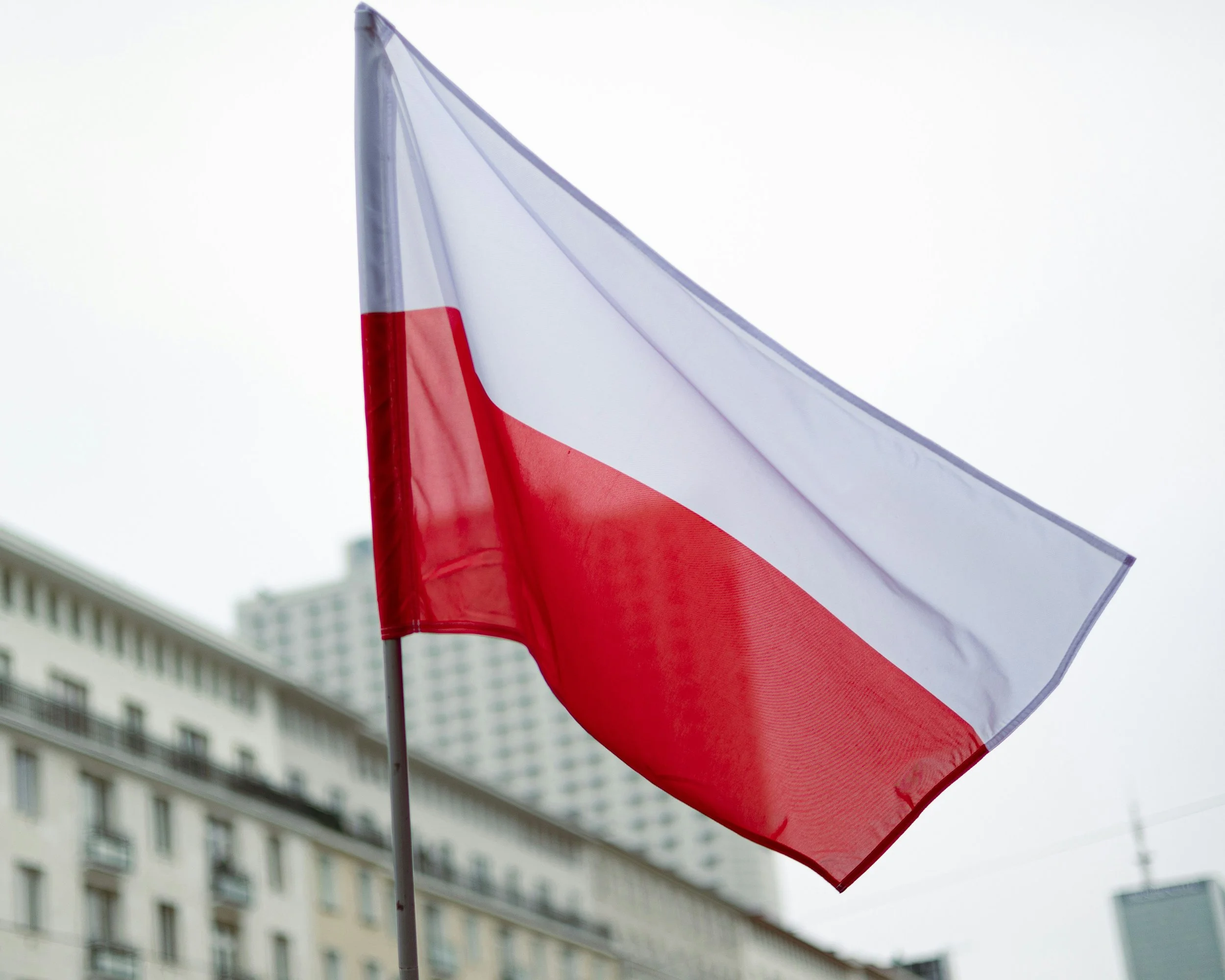
Through the Polish Kamiński and Wąsik case, Michał Stambulski develops the concept of "sovereign presidential lawfare," examining how constitutionally grounded presidential powers can be used to reshape the balance between the executive and judiciary without formally changing the constitutional order. The article offers a valuable framework for understanding how exceptional executive authorities may gradually transform democratic governance through legally authorized but structurally significant interventions.

Populism through the case of South Korea under President Yoon Suk Yeol's administration (2022 – 2025)
Beginning with President Yoon Suk Yeol's failed December 2024 martial law declaration, this article examines how populist movements can evolve from constitutionally constrained forms of political leadership into more radical efforts to override democratic institutions through extraordinary executive powers. The study highlights the relationship between populist crisis narratives, emergency authority, and democratic resilience, demonstrating how constitutional institutions can both constrain and ultimately reverse exceptional exercises of executive power.

Can Péter Magyar Restore Hungary’s Democracy?
Following Péter Magyar's decisive electoral victory over Viktor Orbán, Kim Lane Scheppele examines the formidable legal and institutional obstacles to restoring constitutional democracy after sixteen years of executive consolidation, institutional capture, and prolonged emergency governance. The article explores the challenge of de-exceptionalization—the difficult process of dismantling entrenched systems of exceptional governance and rebuilding democratic institutions capable of resisting future authoritarian relapse.

Urban Governance of the Displaced and Emergency Rules
Drawing on case studies from Vienna, Austria, and Nusaybin, Turkey, Ayşe Çaglar examines how emergency laws governing displaced populations reshape authority between municipal and national governments, often expanding executive control over urban governance long after an immediate crisis begins. The article demonstrates that emergency powers frequently transform not only the governance of displaced populations but also the institutional distribution of authority itself, creating durable changes in how cities, states, and executive power interact.

The Danger of Democratic Backsliding in East Asia
Beginning with South Korea’s failed December 2024 martial law declaration, which was rapidly reversed through legislative resistance and public mobilization, Christopher Carothers argues that Japan, South Korea, and Taiwan remain resilient democracies while exhibiting distinct warning signs of erosion: overcentralized power in Japan, severe polarization in South Korea, and sustained Chinese interference in Taiwan. The article shows both how democratic institutions can withstand an acute abuse of emergency power and how quieter patterns of norm violation, institutional manipulation, and partisan control can continue to weaken constitutional governance over time.

We Condemn, Therefore We Recreate Modi's India and the Shadow of the Emergency 1975
Shruti Gokhale conceptualizes nostalgia as a political technology rooted in the condemned and traumatic legacy of India's 1975 Emergency. She argues that the BJP's public condemnation of the Emergency paradoxically reproduces its governing logics, allowing the unresolved violence of the past to persist as an active force shaping contemporary governance.

Digital Rights and the State of Exception. Internet Shutdowns from the Perspective of Just Securitization Theory
Using cross national cases, Johannes Thumfart discusses internet shutdowns (ISs) within the Just Securitization Theory (JST). Thumfart denies the legitimacy of the vast majority of ISs, while sketching four exception scenarios of ISs justification.

Managing conflict through civic participation: Taiwan’s civic-embedded diplomacy and the transformation of authority after martial law
Yung Lin argues that Taiwan's civic-embedded public diplomacy (CEPD) offers a distinct post-authoritarian model of conflict resolution in East Asia. The article shows how CEPD strengthens domestic legitimacy while managing identity-based conflict through the normalization of Taiwan's international visibility.
European Journal of Risk Regulation - Special Issue on Constitutional Risk Management in the V4 Countries - Foreword
This Foreword introduces the special issue of the European Journal of Risk Regulation entitled “Constitutional Risk Management in the V4 Countries,” which examines how constitutional democracies respond to crises through emergency legal regimes and exceptional powers. Focusing on the Czech Republic, Hungary, Poland, and Slovakia, the issue explores the constitutional management of crises including the COVID-19 pandemic, war, migration, and environmental emergencies. The collection analyzes both the legal frameworks governing states of exception and the broader normative question of how democratic systems can preserve rule-of-law safeguards during prolonged crises. ISSE will publish each article from the special issue as standalone website entries in the coming weeks. All materials are Open Access and distributed under a Creative Commons Attribution license.

Conceptualising State of Emergency, Constitutional Crisis Management and Their Rule-of-Law Requirements
One of the goals of this paper is to define the most important concepts for the comparative study of the constitutional risk management of the V4 countries. For this purpose, first, it considers the theoretical difficulties of conceptualising emergencies, especially focussing on what kind of response can be given to the widespread view that considers emergencies as a kind of legal “black hole” due to their unpredictability. Then a general definition of “emergency” is discussed which is broad and flexible enough to serve as a basis not only for a comparative study but also for the constitutional discourse of emergencies. Constitutional crisis management as a core concept for such an undertaking is also canvassed. After defining the basic concepts essential for evaluation and comparison, the article outlines the general types of emergency regulatory regimes. The development of effective regulatory systems for emergencies also has to face certain problems that every constitutional polity must solve. Finally, the paper summarises assessment criteria necessary for the evaluation and a comparison of the emergency constitutions of different countries.

Emergency Regimes in the European Constitutions – A Comparative Overview
European constitutions differ greatly in the depth to which they deal with emergencies: while many constitutions devote more or less detailed regulation to emergency regimes, others almost completely neglect these issues or dedicate only some very short and vague references to emergency situations and powers. This article aims to carry out a systematic comparison of the emergency-related provisions of forty European constitutions, focusing on (1) the level of detail of the regulation, (2) the emergency regimes addressed, and (3) the restrictions on fundamental rights. As the study points out, only two out of the forty constitutions are completely silent on emergency powers. However, the remaining thirty-eight constitutions show wide variation in the level of detail of the emergency regulation; the vast majority of the emergency regimes are related to war or armed attack (or the danger thereof), to internal crises threatening the constitutional order, and to natural disasters. Concerning fundamental rights, the examination of the constitutional texts confirms that twenty-five out of the forty constitutions encompass some provisions on the restriction of these rights in a state of emergency.

Emergencies Under Czech Law
The paper outlines Czech constitutional law and the development of emergency law. Initially, the legislature did not expect emergencies to occur, perhaps due to the idealistic optimism associated with the general atmosphere of the collapse of the Eastern Bloc in 1989 and the “End of History” thesis. As a result, emergencies were not regulated by Czech law in the 1990s. This changed after the great floods at the end of the 1990s, when “history returned,” and the need for some special rules for emergencies became clear. The first decades of this century showed that Czech emergency law worked well for short-term natural disasters. The game-changer came in 2020, with the emergence of the COVID-19 pandemic and the need for a long-term state of emergency. It soon became clear that the rules that worked for floods and other disasters did not work for long-term global pandemics. In other words, the legal system was not prepared for a situation in which emergencies were the rule rather than the exception. Legislators were unable to prepare a long-term legislative response to fill this gap. The memory of COVID-19 is fading fast, and there are no plans to reform the relevant legislation. Accordingly, any new pandemic or similar event will lead to the same problems that the Czech legal system had to deal with from 2020 to 2022.

From Constitutional Risk Management to Constitutional Risk Management (Emergency Law Misuse) in Hungary
The paper offers a comprehensive overview of Hungary’s emergency law and its misuse over the four years since its introduction in March 2020. Hungary serves as a clear example of how a “state of danger” – initially intended as an exceptional legal measure – can become normalised through repeated declarations. The populist government’s continuous use of emergency powers has led to unchecked lawmaking and the manipulation of legal frameworks to advance populist agendas. The article argues that while Hungary’s detailed emergency provisions in the Fundamental Law were intended to serve as a form of constitutional risk management, after four years of living in a permanent “state of danger”, the scholarly debate has shifted to whether this very risk management has itself become the risk. According to emergency law theory, managing constitutional risks is equally vital in the emergency legal order. Yet in Hungary, both the black letter of the law and the constitutional practices observed during and after the COVID-19 pandemic – along with the Ninth Amendment to the Fundamental Law, which introduced a new emergency regime in 2021 – reveal that constitutional risk management has ultimately failed. This is manifest in the erosion of the separation of powers, the weakening of judicial review, and the shrinking of human rights protections. The article substantiates its argument by examining the related constitutional framework and constitutional practice in Hungary between 2020 and 2024.

Constitutional Challenges in Emergency Governance: An Analysis of Poland’s Reluctance and Regulatory Ambiguities in States of Emergency
This article analyses the constitutional framework regulating states of emergency in Poland and addresses key issues related to their interpretation and implementation. The first part discusses the conditions for declaring martial law, a state of an extraordinary situation, and a state of natural disaster, as well as the specific rules for the operation of public authorities in such emergencies. The next part analyses the practice, revealing the consistent reluctance of Polish authorities to invoke states of emergency, even in circumstances that seem to justify such measures. Consequently, a state of emergency under the 1997 Constitution was declared in Poland only once – in 2021, in response to a migration crisis on the border with Belarus. No constitutional emergency was declared during the COVID-19 pandemic, despite the introduction of far-reaching restrictions on individual rights and freedoms. The article argues that state authorities can abuse emergency regulations, either through their unjustified application or by deliberately circumventing them.

The Consequences of COVID-19 Emergency Risk Mismanagement: The Rise of Anti-Evidence Decision Making in Slovakia
This article contributes to understanding how inexperience and lack of commitment to evidence-based decision making may undermine an otherwise broadly functional framework for constitutional risk management. As part of a focus on the “Visegrád Four” countries, it also helps understand regional dynamics since the COVID-19 pandemic as the most visible emergency after 1989. The article starts with a brief elucidation of the political contexts that have shaped Slovakia’s constitutional risk management, focusing on the developments from 2020 through early 2025. An analysis of mechanisms of emergency risk management in the constitutional framework follows, that helps identify key state authorities attempting to make decisions under serious time pressures. The implementation of the constitutional framework during the COVID-19 pandemic demonstrates the creation of new avenues for restricting rights and bolstering executive competence, with the formally powerful constitutional review mechanisms struggling to challenge these decisions. Ultimately, political context emerges as key: Slovakia entered the COVID-19 pandemic with a governing coalition enjoying constitutional majority and an aura of reform and hope. The emergency mismanagement not only facilitated the breakup of this coalition and early elections, but also a rise in emergency conspiracies openly hostile to institutions and actors committed to evidence-based decision making.

Constitutional Risk Management in the V4 Countries – Diverging Practices and the Need for Convergence
Our special issue examines the regulation and practice of constitutional risk management in the V(isegrád)-4 countries (Czech Republic, Hungary, Poland and Slovakia). Unfortunately, the treatment of the COVID-19 pandemic made this enterprise relevant, as all four countries had to face a similar health emergency. This article presents the most important experiences and trends in the constitutional crisis management of the four countries, identifying the challenges that the constitutional emergency regulatory regimes have encountered so far. Our paper argues that despite the basically similar constitutional frameworks, these countries typically handled the crisis in a different way, and in the process many constitutional problems arose for which there was no clear or uniform solution. Since the purpose of the international comparative research that is the basis of our special issue was to examine the emergency constitution of these four countries in general (since it will have to be applied to possible later, other types of emergencies), in the last chapter of the article we examine the possibilities of a proposition that represents a novelty in the constitutional discourse on emergency situations: this is an option for the convergence of emergency constitutions.

Crisis Management Extremes in Multi-Level Systems: Bosnia and Herzegovina
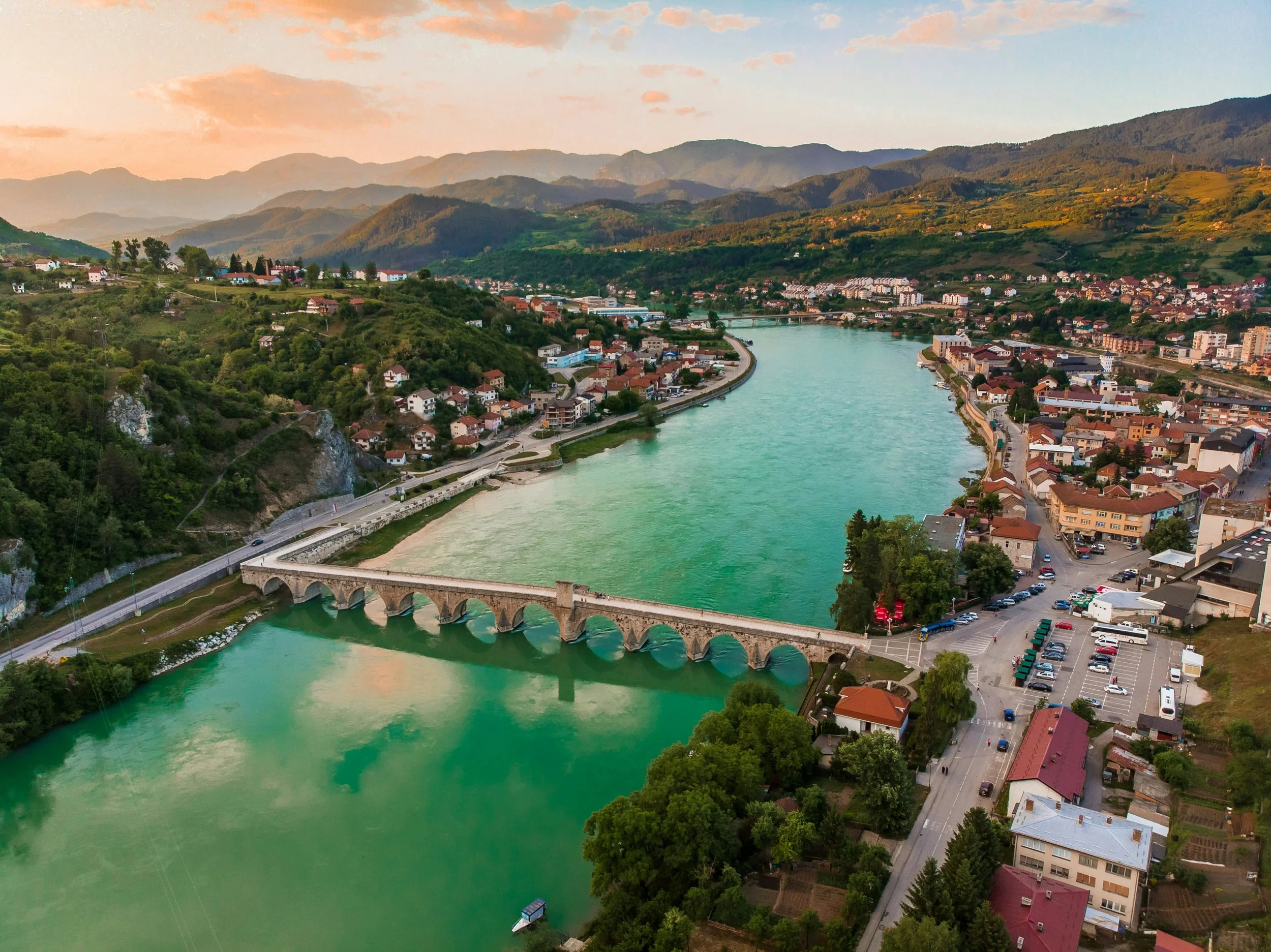
What are the conditions for effective crisis management in multi-level systems characterized by overlapping territorial and ethnic structures? To answer this question, this article considers evidence from Bosnia and Herzegovina (BiH). BiH’s fragmented governance often hinders effective vertical and horizontal coordination across government levels. Drawing on two case studies—the 2014 floods (an internal crisis) and the COVID-19 pandemic (an external crisis)—the analysis reveals how substate entities’ extensive exclusive powers promote unilateral decision-making and limit the ability to address crises collectively. The evidence shows that internal crises often exacerbate fragmentation, while external crises may initially foster coordination before political and structural limitations reassert dominance. Further, while community activism assists in addressing coordination gaps, it cannot substitute for gaps in governance.

States of Emergency in the Visegrad Group Countries
The article aims to analyze the meaning and place of states of emergency as a special legal regime in the legislation of the Visegrad Group countries. The main research question is about the role of states of emergency in the political system of the Visegrad Group countries, the practice of their application in the face of special threats, and the consequences of states of emergency for citizens and state authorities. Are states of emergency an effective tool for dealing with special threats or an instrument that the government uses to strengthen its power? The main thesis is that political practice has revealed the lack of a coherent model of the Visegrad Group countries’ strategy for overcoming the emergency and using the instrument of struggle in the form of states of emergency. In the case of Hungary, it can be seen that the state of emergency has become an instrument used by the government to strengthen its power. The methods used are the comparative method to compare the practice of application and the regulations in force in the Visegrad Group countries regarding the category of states of emergency.

Trump 47 and the Judicial Burdens of Presidential Unilateralism
In 2025, President Donald Trump expanded his own powers through unprecedented interpretations of congressional statutes and Article II of the US Constitution. Ensuing waves of litigation and a record number of emergency-relief applications by the administration to the US Supreme Court placed extraordinary pressure on the federal judiciary. Although US district judges have delayed or halted a range of significant administrative actions, this article’s overview of Trump 47 in court highlights three different scholarly approaches that doubt that the US Supreme Court alone can or ultimately will reverse the administration’s agenda. First, the Roberts Court’s emergency docket decisions thus far comport with recent polarization trends in presidential-power cases. Second, the US Supreme Court lacks institutional capacity and consistent jurisprudence to challenge each area of alleged presidential overreach. Third, the administration’s use of broad authorities previously delegated by Congress serves as a reminder that constitutional interpretation and executive-branch powers are rooted in the broader political system. Congress cannot easily retract granted authority but curtailing presidential unilateralism requires more than litigation.