

All Content
Welcome to the Institute for the Study of States of Exception (ISSE) main content page, a single source for all posts from the Institute, including commentary on global events, book reviews, academic literature, links to our podcasts, and additional resources. Check back regularly for more content from us.
“Sovereign is he who decides the exception.”
— Carl Schmitt (Political Theology: Four Chapters on the Concept of Sovereignty, 1922)
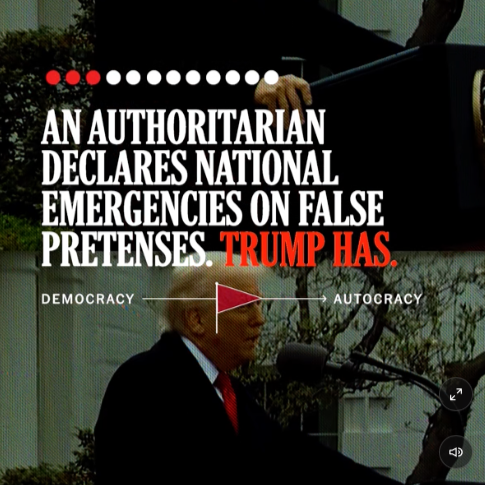
Are We Losing Our Democracy? - The New York Times
The views expressed in the excerpted New York Times Editorial Board opinion below are solely those of its authors. They do not reflect the views, positions, or policy recommendations of the Institute for the Study of States of Exception (ISSE), which does not take institutional positions on editorial commentary. The material is presented to illustrate a perspective relevant to ongoing debates concerning emergency powers and governance.
When you hear the word “autocracy,” the United States is rarely a country that comes to peoples’ minds. Right? Well according to these twelve red flags of democratic erosion, America has moved in the direction of autocracy, thanks to the efforts of President Donald Trump. The third red flag of democratic erosion, depicted in the linked video, is declaring national emergencies on false pretenses, which the New York Times Editorial Board indicates has already taken place since President Trump was inaugurated in early 2025.

Using and abusing statutory emergency powers: Elizabeth Goitein - Chautauqua Institution
First aired on July 11, 2024, following her remarks at the Chautauqua Institution, Elizabeth Goitein here explores the historical use and abuse of statutory emergency powers by U.S. presidents, emphasizing their infrequent invocation and the ethical implications, particularly highlighted by President Trump's controversial declaration during his first term for border wall funding. Goitein underscores bipartisan efforts for reform following these events, including proposed legislation to restrict the duration of emergency declarations. Goitein cautions against using emergency powers for long-standing issues like climate change, emphasizing their intended temporary and crisis-oriented nature in constitutional governance.

Declaration of a crime emergency in the District of Columbia
On December 4, 2025, the three judge U.S. Court of Appeals for the District of Columbia Circuit granted the Trump Administrations’s request to halt a lower court judge’s November 20, 2025, order concluding that President Trump’s deployment of 2000 National Guard troops to Washington, D.C., was illegal. The November 20 order had been postponed by the lower court’s judge from coming into effect until December 11, 2025, in order to give the Trump Administration time to appeal the decision. Initially, the D.C. attorney general had filed suit in September over the deployment, following President Trump’s August announcement that he would take over the city’s police department in conjunction with the National Guard deployments. As a result of the December 4, 2025, ruling, this suit filed by the D.C. attorney general will now continue.
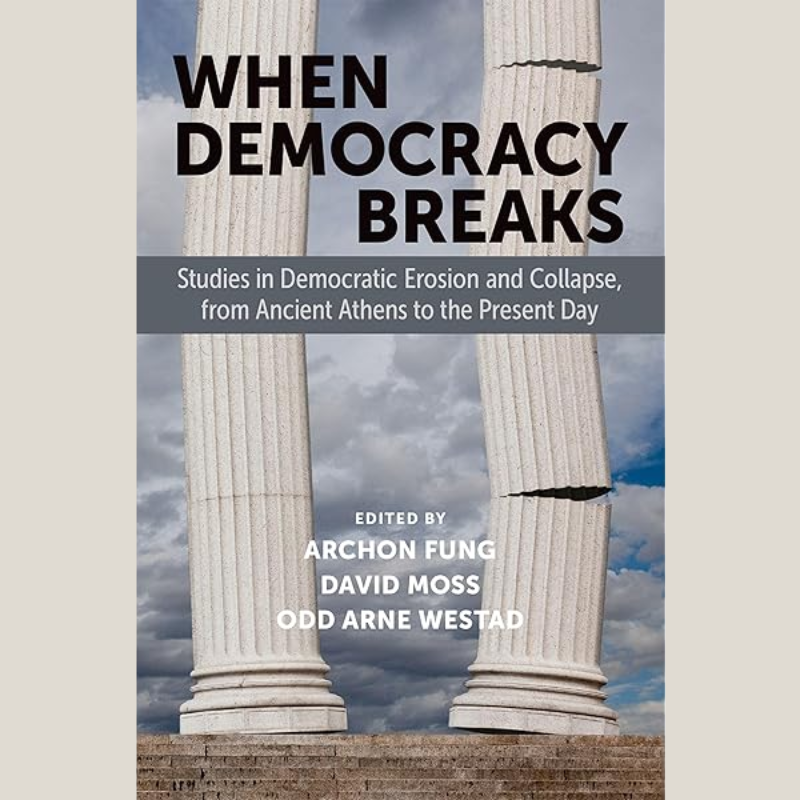
The Indian Emergency (1975-1977) in Historical Perspective - from the book When Democracy Breaks
Democracy and authoritarianism have been historically bound in a complex and sometimes intimate relationship. The global emergence of quite a few democratically elected authoritarian leaders today has made explicit what had always been an underlying feature of the history of democratic practice. The authoritarian strain was perhaps more marked in countries aspiring to democracy by shedding an inheritance of colonial despotism. India’s experiment with democracy after winning independence from British rule offers a fascinating case study of the struggle to establish democratic norms amid the lure of falling back on the structures of an authoritarian legacy.

ISSE comments on Former JAGs Working Group statement on September 2, 2025 lethal strikes
On November 29, 2025, the Former JAGs Working Group issued a statement concerning the lethal strikes taken by the US Military on September 2, 2025, against a civilian boat allegedly carrying narcotics. The statement, which is linked here, is unequivocal in its conclusion that if the second strike, which targeted two survivors of the initial strike, occurred as was reported by both the Washington Post and CNN, then the giving and execution of the order to kill the survivors constituted a war crime, murder, or both.
From the point of view of ISSE, the September 2 strike that reportedly killed eleven civilians, and subsequent strikes against civilian boats that are reported to have killed over seventy additional civilians, are connected to, and logically flow from, the administration's use of emergency powers.

Blood Work podcast - “Crock of Schmitt”
Carl Schmitt was a German jurist, political theorist, and author known for his controversial association with the Nazi regime. He is influential in political thought for his concepts, particularly the idea that the sovereign is "one who decides on the exception" and that politics is defined by the “friend-enemy” distinction. His work was highly critical of liberal democracy and influential in the development of authoritarian political theory, and is for the most part unavoidable when discussing theory around states of exception.
The new Blood Work podcast series takes on Schmitt’s work in this November 19, 2025, episode entitled “Crock of Schmitt.”

Biopolitics and public health in times of crisis
The COVID-19 pandemic has renewed attention to the entanglement of politics, health, and the governance of life. Measures such as lockdowns, vaccination campaigns, digital contact tracing, and quarantine protocols reveal that public health policy operates not merely as a technical or medical response, but as a form of political power acting directly upon bodies and populations. By examining how states enacted exceptional measures under conditions of crisis, this paper highlights both the potency and the fragility of sovereign control. Comparative case studies demonstrate how legal frameworks, political cultures, and ideological assumptions shape not only policy responses but also the differential valuation of life during health emergencies. Ultimately, the article argues that public health crises are not solely biomedical events, but deeply political phenomena.

A Farewell to Homo Sacer? Sovereign Power and Bare Life in Agamben’s Coronavirus Commentary
The article addresses Giorgio Agamben's critical commentary on the global governance of the COVID-19 pandemic as a paradigm of his political thought. While Agamben's comments have been criticized as exaggerated and conspiratorial, they arise from the conceptual constellation that he has developed starting from the first volume of his Homo Sacer series. At the centre of this constellation is the relation between the concepts of sovereign power and bare life, whose articulation in the figure of homo sacer Agamben traces from Antiquity to the present. We shall demonstrate that any such articulation is impossible due to the belonging of these concepts to different planes, respectively empirical and transcendental, which Agamben brings together in a problematic fashion. His account of the sovereign state of exception collapses a plurality of empirical states of exception into a zone of indistinction between different exceptional states and the normal state and then elevates this very indistinction to the transcendental condition of intelligibility of politics as such. Conversely, the notion of bare life, originally posited as the transcendental condition of possibility of positive forms of life, is recast as an empirical figure, whose sole form is the absence of form. We conclude that this problematic articulation should be abandoned for a theory that rather highlights the non-relation between sovereign power and bare life, which conditions the possibility of resistance and transformation that remains obscure in Agamben's thought.
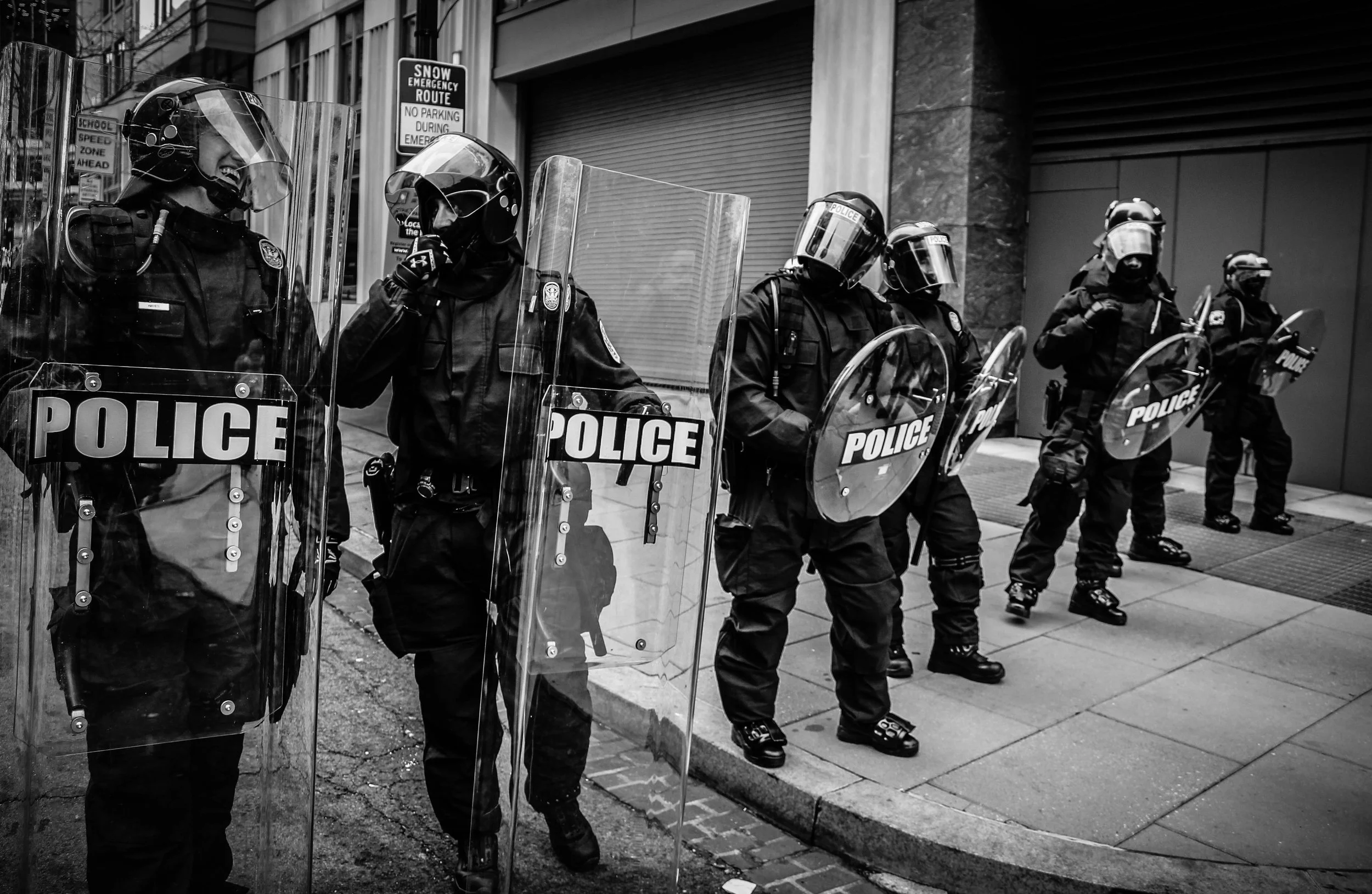
Normalizing Emergencies - Yale Journal of Regulation
In the aftermath of Donald Trump’s return to the White House, a flurry of executive orders and memoranda has once again brought the concept of “national emergency” to the forefront of American governance. Within hours of taking office, the administration declared a “national emergency at the southern border,” villainized immigration, and raised the specter of a “border emergency” vaguely connected with a threat of “foreign terrorist organizations.” At first glance, these actions might resemble a continuation of tactics from Trump’s previous term, especially his 2019 declaration of a national emergency at the border. On closer inspection, however, the administration’s actions stretch well beyond traditional emergency contexts of national security or foreign policy, seeping into what were once ordinary spheres of domestic governance. Two separate executive orders, for example, both announce the existence of a “national energy emergency” and instruct relevant agencies to address the “emergency.” A separately presidential memorandum directed federal agencies to “deliver emergency price relief” by taking actions to reduce costs of housing, food, and fuel.

ISSE discussed on Michael Weiss’s “Foreign Office” podcast
On October 31, 2025, ISSE’s Governing Board Chair Ed Bogan appeared on Michael Weiss’s “Foreign Office” podcast series, in an episode entitled “Former CIA Officer Ed Bogan on War, Ukraine, and the Limits of American Values - States of Exception.” During that episode, Ed talked extensively about the ongoing war in Ukraine, but also talked about ISSE’s purpose and plans now that the nonprofit is up and running.
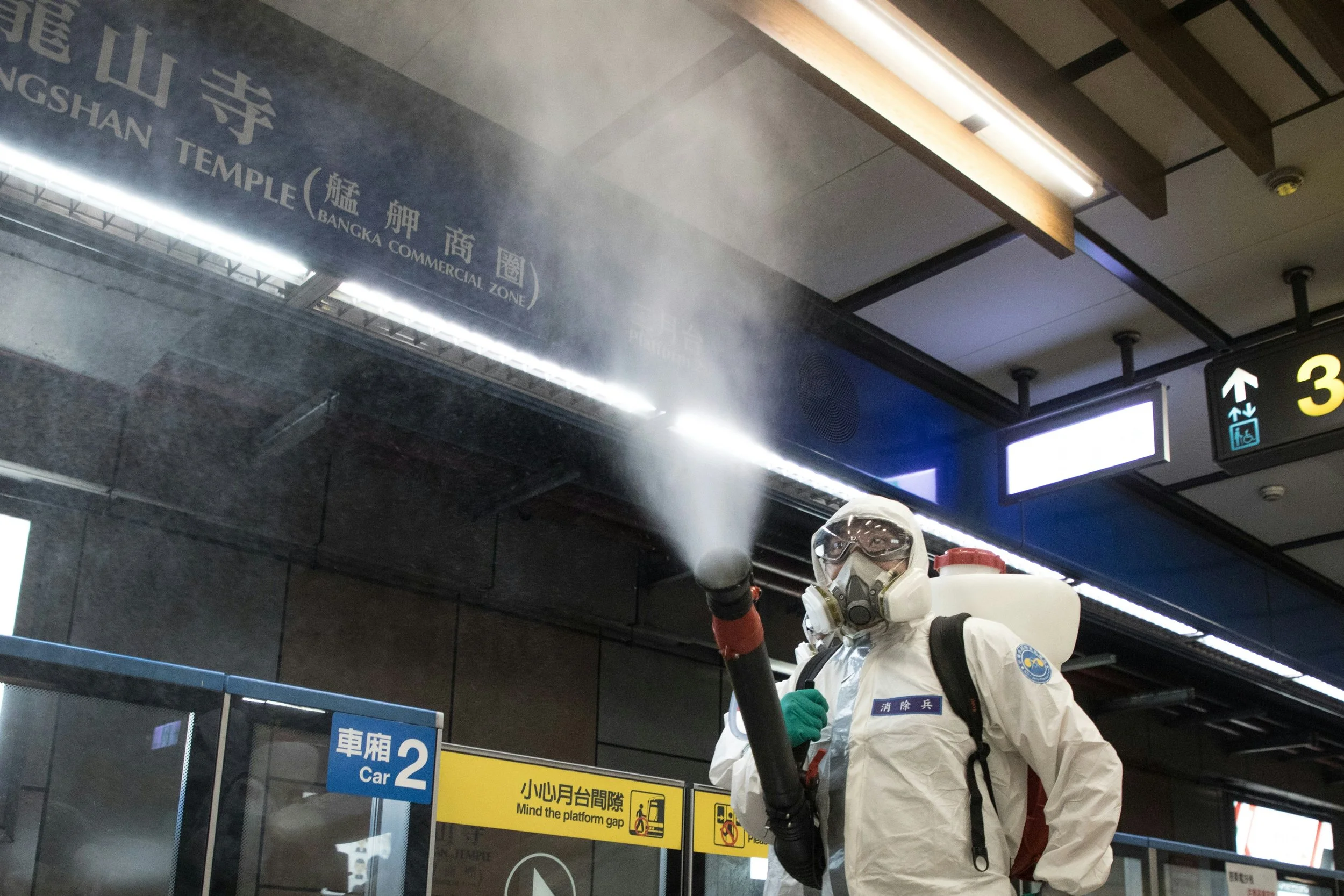
Emergency powers during COVID-19: when democracies stepped outside normal bounds
When COVID-19 swept the world, governments invoked sweeping emergency powers and tools meant for war or catastrophe to restrict movement, control information, and consolidate authority. The pandemic tested the balance between public health and civil liberties, revealing how quickly exceptional emergency powers could become normalized.
The pandemic forced governments to navigate the tension between urgency and accountability. Rapid action saved lives, but emergency governance could further erode trust in institutions where transparency was weak. And once leaders exercised exceptional powers, rolling them back proved politically difficult.

Unpacking al-Sisi’s Threefold Populism through Giorgio Agamben’s State of Exception Following 3 July 2013
How has Giorgio Agamben’s state of exception enabled the repressive concretization of al-Sisi’s populism following the 3 July 2013? Drawing on the state of exception, this study argues that al-Sisi’s populism developed a complex mechanism of repression building on his predecessors’ points of strength. Inspired by his predecessors’ repressive techniques, al-Sisi’s populism manifested a three-pronged strategy encompassing Nasser’s heroic image as a nation savior, al-Sadat’s technocrats-military-businessmen alliance, and Mubarak’s extended structural and legal repression. This study builds on a critical discourse analysis of al-Sisi’s speeches, legal documentations, and reports addressing Egyptian politics from 2013 until present in identifying a threefold populism based on the projection of a heroic image, a business-military-technocrats alliance, and structural-legal repression.
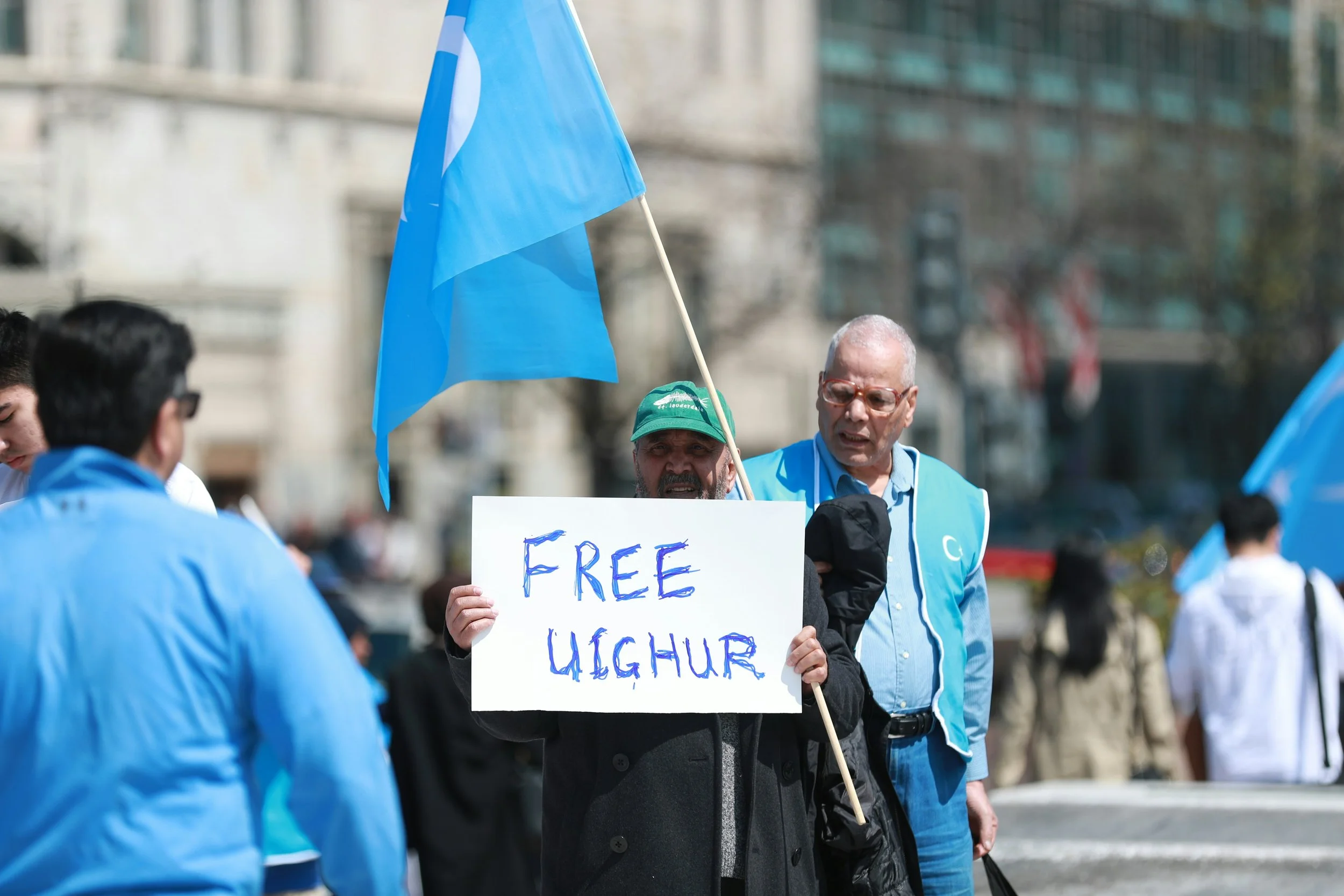
Human Rights Watch: Protected No More - Uyghurs in Türkiye
According to Human Rights Watch, Türkiye’s treatment of Uyghurs has increasingly assumed the character of an administrative state of exception, where broad and opaque “public security” powers override established legal protections. Turkish authorities arbitrarily assign “restriction codes”—often without evidence—to label Uyghurs as security threats, triggering detention, denial of residency or citizenship, and potential deportation. These codes function as emergency-style mechanisms that bypass due process, enabling detention in deportation centers where Uyghurs face pressure to sign “voluntary return” forms and, in some cases, mistreatment. Courts routinely uphold deportation orders on the basis of these codes alone and have discounted the prohibition against refoulement, despite clear evidence that Uyghurs face persecution and torture if returned to China. The reliance on foreign intelligence, including Chinese-provided lists branding peaceful activists as “terrorists,” further entrenches a security paradigm that suspends normal legal standards and undermines long-standing protections for Uyghurs. Overall, the report shows how Türkiye’s exceptional security authorities have created pervasive uncertainty for Uyghurs, eroded their legal status, and exposed them to serious risks of refoulement.

Analysis of Executive Decree PCM-29-22 (The State of Exception)
Report by the Honduran Human Rights Commission (CONADEH) on the first period of the country's "State of Emergency" decree. The data analyzed here show a serious discrepancy between the information that was being officially communicated by the National Police to the public and the data that CONADEH has been able to verify. This includes evidence that 95% of detentions during this period were for minor offenses, and only 1% of detentions were related to the crime of extortion (which was, officially, the rationale for the suspension of rights that came with the Decree). In addition, the identities of some people detained were not recorded, and detentions occurred far beyond the zone designated as part of the Decree. It is highly worrying for CONADEH that in view of these data, the State of Emergency has been extended. This extension necessarily implies two scenarios: either 1) these data were not analyzed, meaning the State's duty to build a broad and sufficient justification capable of arguing the suitability, necessity, and proportionality of the extension of the measure was not taken seriously; or 2) the information presented here was ignored, constituting an excessively discretionary decision on the part of the corresponding authorities.
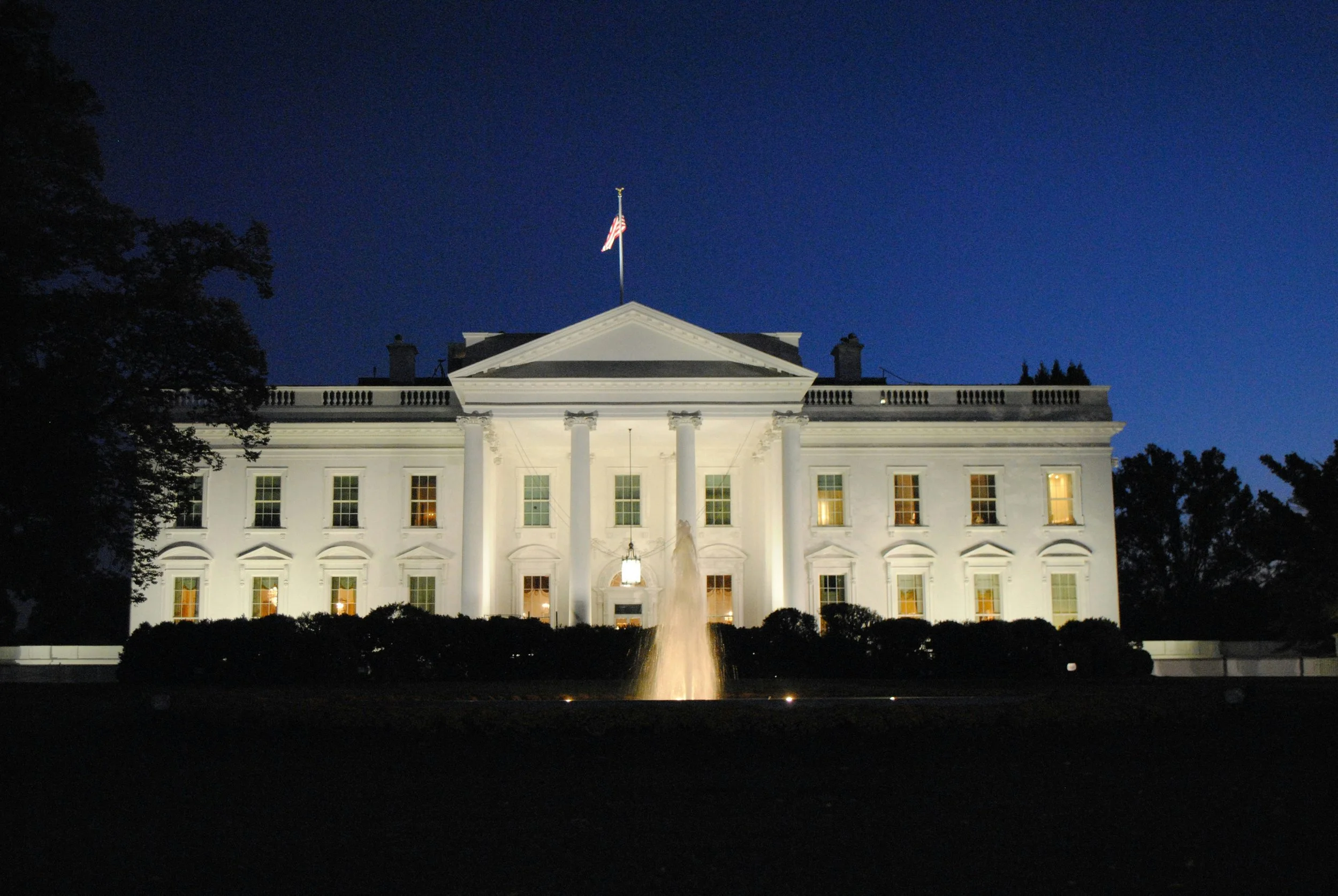
What Trump can and can’t do with the Insurrection Act - Demystifying the most ominous law in America
In the United States, the military is not used for domestic law enforcement. That’s a bedrock civic principle, one that separates our democracy from dictatorships around the world. Our troops serve to protect the American people from harm coming from abroad, not to police people at home.
Legally speaking, though, there is one glaring exception: The Insurrection Act.

De batazos, bloqueos y llamadas
Tiempo News recently highlighted the creation of the ISSE in response to the growing use of emergency powers as a recurring tool of political governance.

El poder en tiempos de excepción
Featured in El Tiempo Latino, ISSE examined the growing use of emergency powers in democratic societies. The article highlights the importance of monitoring exceptional measures before they become permanent features of governance.

What to look for in the November 5, 2025, oral arguments before the U.S. Supreme Court in the IEEPA tariffs case
Oral arguments are scheduled for November 5, 2025, in V.O.S. Selections, Inc. v. United States, also known as the Tariffs Case or the International Emergency Economic Powers Act (IEEPA) case. The fundamental issue at stake is whether the President has authority under IEEPA’s grant of emergency powers to rewrite the United States tariff schedule. While IEEPA grants the President broad authority to “regulate . . . importation or exportation” of property as necessary to address “unusual and external threat(s)”, IEEPA does not specifically grant the authority to impose tariffs. The ability to impose tariffs has traditionally been viewed as a core aspect of Congress’s Article 1 authority to collect taxes, duties, imposts and excises, and to raise revenue.
The IEEPA Tariffs Are Based on Pretext
On April 2, President Trump declared that the U.S. trade deficit in goods was a national emergency and raised tariffs to the highest level in 100 years to address it. Three courts have now ruled that those tariffs are illegal, and an appeal by the government will soon be heard by the Supreme Court. As I write elsewhere, the decisions striking down the tariffs are persuasive and should be upheld. But each also ignores a key question: whether the U.S. trade deficit constitutes an “unusual and extraordinary threat” that justifies emergency measures in the first place.

Emergency Powers for Good
Emergency powers are widely, and justly, criticized as threats to the rule of law. In the United States, forty-three declared emergencies give the executive vast authority to exercise power unencumbered by standard legal and procedural requirements. A long tradition of executive use of emergency powers to erode civil liberties amplifies fears of executive overreach.
Yet this, we argue, is only part of the picture. We examine how emergency powers can be used for good. We argue that under certain limited conditions, political actors can legitimately invoke emergency powers to transform public policy. In addition to widely accepted requirements of crisis severity, transparency, and time limits, we argue that broad consensus and a reformulated non-discrimination requirement are essential to the proper use of emergency powers for societal transformation.