

All Content
Welcome to the Institute for the Study of States of Exception (ISSE) main content page, a single source for all posts from the Institute, including commentary on global events, book reviews, academic literature, links to our podcasts, and additional resources. Check back regularly for more content from us.
“Sovereign is he who decides the exception.”
— Carl Schmitt (Political Theology: Four Chapters on the Concept of Sovereignty, 1922)

States of Emergency in the Visegrad Group Countries
The article aims to analyze the meaning and place of states of emergency as a special legal regime in the legislation of the Visegrad Group countries. The main research question is about the role of states of emergency in the political system of the Visegrad Group countries, the practice of their application in the face of special threats, and the consequences of states of emergency for citizens and state authorities. Are states of emergency an effective tool for dealing with special threats or an instrument that the government uses to strengthen its power? The main thesis is that political practice has revealed the lack of a coherent model of the Visegrad Group countries’ strategy for overcoming the emergency and using the instrument of struggle in the form of states of emergency. In the case of Hungary, it can be seen that the state of emergency has become an instrument used by the government to strengthen its power. The methods used are the comparative method to compare the practice of application and the regulations in force in the Visegrad Group countries regarding the category of states of emergency.
US/El Salvador: Deportees Forcibly Disappeared - Human Rights Watch
A Human Rights Watch report finds that some Salvadorans deported from the United States within the last year have been detained in El Salvador without access to lawyers, families, or courts, raising concerns about enforced disappearance. The report links these cases to El Salvador’s ongoing state of emergency, which has suspended key due process protections. Many families report being unable to determine the whereabouts or legal status of detained relatives. Authorities in both countries have provided limited transparency, while judicial and oversight mechanisms have offered little recourse. The findings highlight the risks that arise when deportation policies intersect with emergency governance frameworks.
U.S. Democratic Backsliding in Comparative Perspective - Carnegie Endowment for International Peace
This Carnegie Endowment report analyzes democratic backsliding in the United States under President Donald Trump in comparative perspective. It finds that recent developments align with patterns of executive aggrandizement seen in countries such as Hungary, India, and Türkiye, particularly through efforts to consolidate power within the executive, weaken institutional checks, and constrain civil society. At the same time, the U.S. case is distinguished by the speed and breadth of these efforts, as well as a focus on intra-executive control and indirect pressure on institutions. While U.S. democratic institutions remain more resilient than many global counterparts, the report concludes that the pace and scope of recent changes present a significant test for American democracy.
Trump 47 and the Judicial Burdens of Presidential Unilateralism
In 2025, President Donald Trump expanded his own powers through unprecedented interpretations of congressional statutes and Article II of the US Constitution. Ensuing waves of litigation and a record number of emergency-relief applications by the administration to the US Supreme Court placed extraordinary pressure on the federal judiciary. Although US district judges have delayed or halted a range of significant administrative actions, this article’s overview of Trump 47 in court highlights three different scholarly approaches that doubt that the US Supreme Court alone can or ultimately will reverse the administration’s agenda. First, the Roberts Court’s emergency docket decisions thus far comport with recent polarization trends in presidential-power cases. Second, the US Supreme Court lacks institutional capacity and consistent jurisprudence to challenge each area of alleged presidential overreach. Third, the administration’s use of broad authorities previously delegated by Congress serves as a reminder that constitutional interpretation and executive-branch powers are rooted in the broader political system. Congress cannot easily retract granted authority but curtailing presidential unilateralism requires more than litigation.

Human Rights in The Context of the State of Emergency: The Balance Between National Security and Fundamental Freedoms
The proclamation of a state of emergency, whether triggered by armed conflict, terrorist threats, natural disasters, or global pandemics, constitutes a critical test for the resilience of democratic institutions and the protection of fundamental human rights. This paper explores the complex interplay between national security imperatives and the safeguarding of civil liberties during states of exception. Building on a multidisciplinary framework that integrates international human rights law, constitutional theory, and security studies, the analysis examines both normative constraints and empirical practices associated with the temporary suspension or limitation of rights.
The study focuses on the legal mechanisms and justifications invoked by states to derogate from certain obligations under international treaties, such as the European Convention on Human Rights and the International Covenant on Civil and Political Rights. It also addresses the principle of proportionality, the requirement of legality, and the obligation of non-discrimination in the implementation of emergency measures. Special attention is paid to the role of constitutional courts and supranational bodies in reviewing the legitimacy and necessity of such restrictions.
Through a comparative analysis of recent case studies—including the COVID-19 pandemic response—this research highlights the risk of normalization of emergency powers and the erosion of democratic oversight. The paper argues for a strengthened normative framework that ensures a fair balance between protecting national security and preserving individual freedoms, emphasizing the importance of legal predictability, transparency, and accountability in emergency governance.

US Allies in the Middle East Use Emergency Powers During Iran Conflict
The US/Israel–Iran war is already reshaping governance across the Middle East, not only through battlefield outcomes but through the expanded use of emergency powers. This analysis by ISSE Senior Fellow Paul Shaya examines how Israel, Jordan, and Lebanon are leveraging crisis conditions to enact political and institutional changes that extend beyond immediate security needs. In Israel, wartime procedures have enabled the passage of controversial legislation under reduced scrutiny, raising concerns about democratic oversight. Jordan has used the conflict to tighten restrictions on speech, media, and public assembly, reinforcing existing limits on civic space. Lebanon, by contrast, has invoked extraordinary measures to challenge Hizballah’s parallel authority and reassert state sovereignty. Together, these cases illustrate a broader pattern central to ISSE’s work: emergencies can create openings for durable shifts in governance that may outlast the crises that justified them.

Hungary’s Election as Baseline: Tracking a System of Embedded Exceptionality
Hungary’s upcoming election offers more than a test of electoral competition, it provides a vantage point for assessing a system shaped over time through the sustained integration of emergency powers. Under Viktor Orbán, successive crises including migration, COVID-19, and the aftermath of Russia’s full-scale invasion of Ukraine, have enabled the expansion and normalization of executive authority. This article adopts the concept of “exceptionality,” developed in recent scholarship by Przemyslaw Tacik and Gian-Giacomo Fusco, to describe how emergency-derived powers persist beyond formal declarations and become embedded in ordinary governance. Drawing on Kim Lane Scheppele’s analysis in the Journal of Democracy, it situates Hungary’s electoral dynamics within a broader restructuring of the political and legal environment. Elections continue, but the conditions under which they occur have been systematically redefined. The coming vote provides a baseline from which to evaluate how such a system operates in practice, and how it may evolve in the period that follows.

Three Hundred Habeas Cases in Which the (U.S.) Government Has Defied Court Orders - Lawfare
This Lawfare U.S.-based analysis compiles a nationwide dataset of more than 300 immigration habeas cases in which federal authorities failed to comply with court orders. While courts generally succeed in securing eventual compliance, the cases reveal recurring patterns, such as delayed releases, unauthorized transfers, and failures to justify detention, that require repeated judicial intervention to enforce legal limits. Situated within a broader framework of sustained emergency authorities and expanded enforcement activity, these dynamics point to structural strain within the system of legal oversight.
Viewed in aggregate, the dataset suggests not a breakdown of legality, but a shift in how it operates in practice. Individuals remain formally protected by law, yet the realization of those protections often depends on administrative action and continued judicial enforcement. This pattern also raises questions about the limits of judicial enforcement itself, and whether repeated, low-consequence noncompliance risks becoming normalized over time. For ISSE, these dynamics highlight how prolonged reliance on emergency frameworks may contribute to the emergence of exception-like practices within routine governance.
U.S. Impeachment Filing Highlights Emergency Powers as a Core Constitutional Concern in the United States
A new impeachment filing in the United States places emergency powers at the center of a constitutional dispute over executive authority. Introduced by Congressman John B. Larson, the resolution includes allegations that emergency authorities have been used by the U.S. President to bypass congressional processes and expand executive reach. Section 12 focuses specifically on how these powers are invoked and applied in practice. This article analyzes those claims within the broader framework of U.S. emergency powers law. It considers what sustained reliance on such authorities may mean for institutional balance.

Constitutionalism and war: from martial law to “peace” through a transitional period
Background: Contemporary constitutionalism, shaped largely in the post-World War II era, was designed primarily for peacetime. As a result, neither constitutional theory nor practice provides clear answers to questions arising when societies and states face extraordinary situations such as armed conflict, hybrid threats, or terrorism — circumstances that pit state survival against the foundational principles of limited government and guaranteed rights.
Purpose: This article aims to examine how constitutionalism transforms under extraordinary circumstances, particularly martial law, and to identify a viable legal pathway for Ukraine's return to ordinary constitutional order following the termination or lifting of the martial law regime.
Methodology: The study employs an axiological approach, treating constitutionalism not as a static construct but as a dynamic system of values, principles, institutions, and procedures. This framework enables analysis of the relative weight of constitutional principles across varying socio-political circumstances, including crisis conditions.
Results: Under extraordinary circumstances, constitutionalism does not give rise to a distinct or parallel constitutional order — its core identity remains intact. What occurs instead is a temporary shift in the relative significance of key principles: public safety, stability, and statehood come to the foreground, while certain human rights are subject to proportionate restrictions and the rule of law is applied with due regard for the exceptional situation. After overcoming the crisis, the need arises to reassess the relative significance of these principles. The article proposes a dedicated transitional legal regime — positioned between martial law and ordinary peacetime regulation, and conceptualized as a specific instance of a state of emergency — to ensure a gradual and effective return to constitutional normalcy.
Conclusion: Constitutionalism retains its identity even under the most extreme conditions, provided that power remains bound by law. The concept of a transitional legal regime offers a practically grounded mechanism for post-war constitutional recovery, with particular relevance for Ukraine's legal and institutional reconstruction after the lifting of martial law.
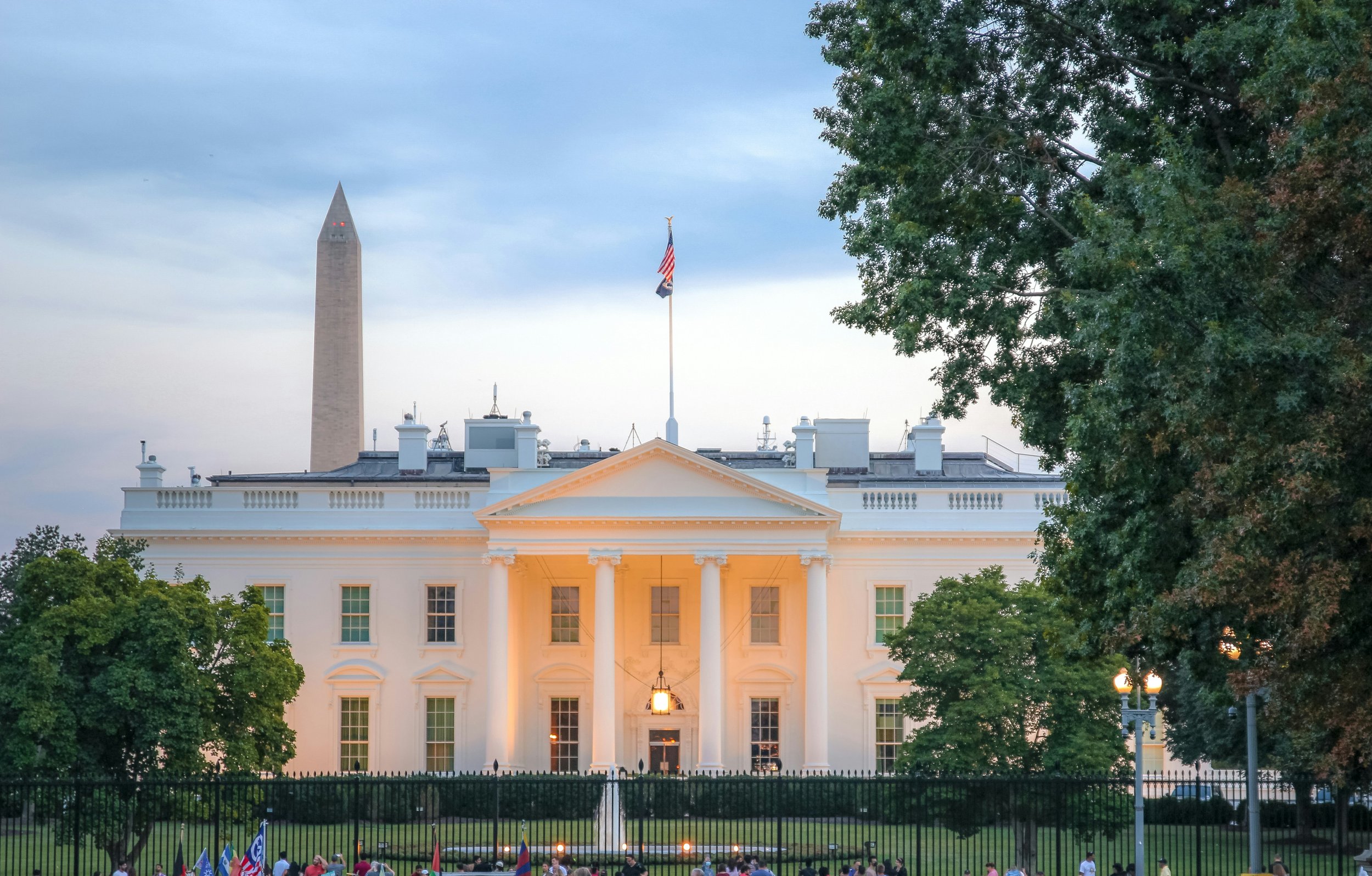
Emergency by Presidential Memorandum: Appropriations Flexibility Under Shutdown Conditions - ISSE Explainer
Two recent White House memoranda responding to the DHS shutdown rely on existing appropriations law to justify paying federal employees despite a lapse in funding. While the directives do not invoke formal emergency powers, they explicitly frame the situation as a national security emergency and use that rationale to support a flexible reading of statutory limits, raising questions under the Antideficiency Act and the core rule that funds must be used only as appropriated. Legally, presidential memoranda can carry the same force as executive orders, placing the focus on interpretation rather than form. The result is a form of constrained executive improvisation that remains within the language of the law while testing its boundaries. From an ISSE perspective, this reflects a broader shift: emergency reasoning migrating into routine administrative practice. Repeated over time, such approaches risk normalizing flexible statutory interpretation as a substitute for legislative resolution.

United States: NYC Bar Report Raises Alarm Over Expanding Executive Power and Eroding Constraints
The New York City Bar Association’s March 2026 report entitled “The Crisis Deepens: Congress Must Act Now to Address Escalating Abuses of Executive Power“ marks a shift from identifying executive overreach to documenting a more systemic pattern of governance beyond meaningful legal constraint. Building on its December 2025 report entitled “The Abuse of Presidential Power and Breach of the Public Trust,” which warned of boundary-testing, this follow-up argues those boundaries are now being operationally redefined. The report highlights the use of coercive, emergency-style practices without formal invocation of emergency powers, reflecting a broader ISSE concern with embedded exceptionalism. At the same time, weakening judicial enforcement and limited congressional response risk enabling further expansion. The cumulative effect represents a transformation in how law functions in practice. What emerges is a pattern of normalized exceptionalization, where the line between ordinary governance and emergency rule becomes increasingly indistinct.
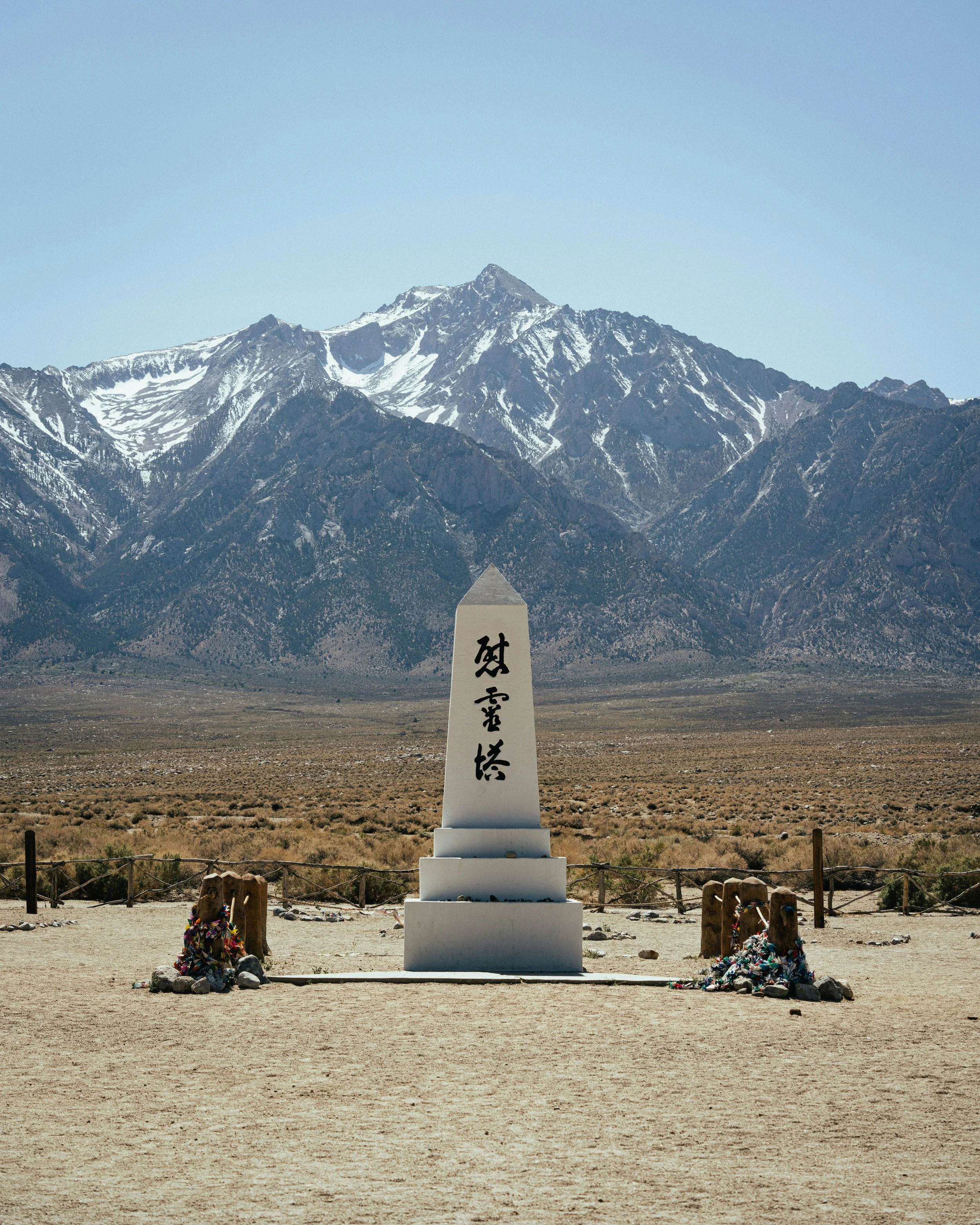
A Case Against Mass Deportation: The Japanese American Internment Camps and Recent Treatment of Korematsu
The large-scale deportation of non-citizens has become a preeminent policy issue. Unfortunately, executive curtailment of immigrant communities’ liberty is not without historical parallels. During World War II, federal officials sent individuals of Japanese descent to internment camps through a series of executive orders and military proclamations. Although attorneys in the Department of Justice believed aspects of these actions were unconstitutional at the time, the administration prevailed at the nation’s highest court. Can recognition of this past wrong aid challenges to contemporary immigration enforcement regimes? How do our courts formally account for the most egregious jurisprudential errors of the past, and endeavor to avoid repeating them? This Article examines the ways in which courts have discussed Korematsu v. United States in the context of immigration arrests and detention. It also provides a comprehensive review of substantive citations to Korematsu since it was overturned in Trump v. Hawaii. The abrogation of Korematsu buttresses the decision’s utility as a negative precedent, and I endeavor to ground the relevance of overturned precedent within normative theories of constitutional interpretation. Through this analysis, I highlight significant similarities between the internment of Japanese Americans and the rhetoric surrounding immigration policy today. In this context, judicial condemnation of Korematsu underscores certain due process requirements for individualized hearings and suggests the need for greater scrutiny of the executive’s emergency powers.

Medical populism and local governments during the COVID-19 pandemic
Aim
This paper examines the interplay between political actors in different levels of government (i.e. from local to national) during the COVID-19 pandemic, using the framework of medical populism.
Subjects and methods
Three case studies illustrate how subnational political actors in the Philippines deployed medical-populist tactics to assert their leadership and challenge national policies: (1) Cebu Governor Gwendolyn Garcia’s promotion of “tuob” or steam inhalation during the early months of the pandemic; (2) two congressmen’s endorsement of ivermectin in Metro Manila during the country’s worst COVID surge; and (3) Former Manila Mayor Isko Moreno’s opposition to the national face shield mandate in the period leading up to the 2022 presidential elections.
Results
By spectacularizing the crisis, forwarding knowledge claims, and forging divisions between ordinary people and the so-called elite establishments of government and health authorities, these actors were able to either speak over scientific evidence or help contradict policies that were not backed by solid evidence to begin with.
Conclusion
This paper highlights the plural manifestations of medical populism in a given country, beyond just national leaders, as well as the evolving dynamics between national and local governments (and political actors) amidst health crises.

The Impact of Exceptional Governance Measures on Democracy and Legal System
The exercise of exceptional power has long been at the centre of debate, as the process involves essentially breaking away from normality and giving political leader(s), especially the executive, almost unlimited power. Particularly in periods of constitutionalism and under liberal democracies based on checks and balances, when the principle of the separation of powers is temporarily ‘switched off’ for the time needed to avert an exceptional event, this leads to significant problems. This paper, after clarifying the theoretical starting points, will discuss in a historical context the authoritarian tendencies inherent in executive power that emerged within the history of ideas and politics in the 20th century in relation to the problem of constitutional dictatorship and which have today taken shape in the transformation of philosophies of government – namely, into a kind of permanent crisis-management philosophy of government. Furthermore, in the context of the COVID-19 pandemic, the literature is reviewed to address the democratic problems associated with exceptional governance. The main question underlying this analysis is whether exceptional governance affects democracy and legal systems and what tools and methods can be used to check the authoritarian nature of the executive in a state of exception.
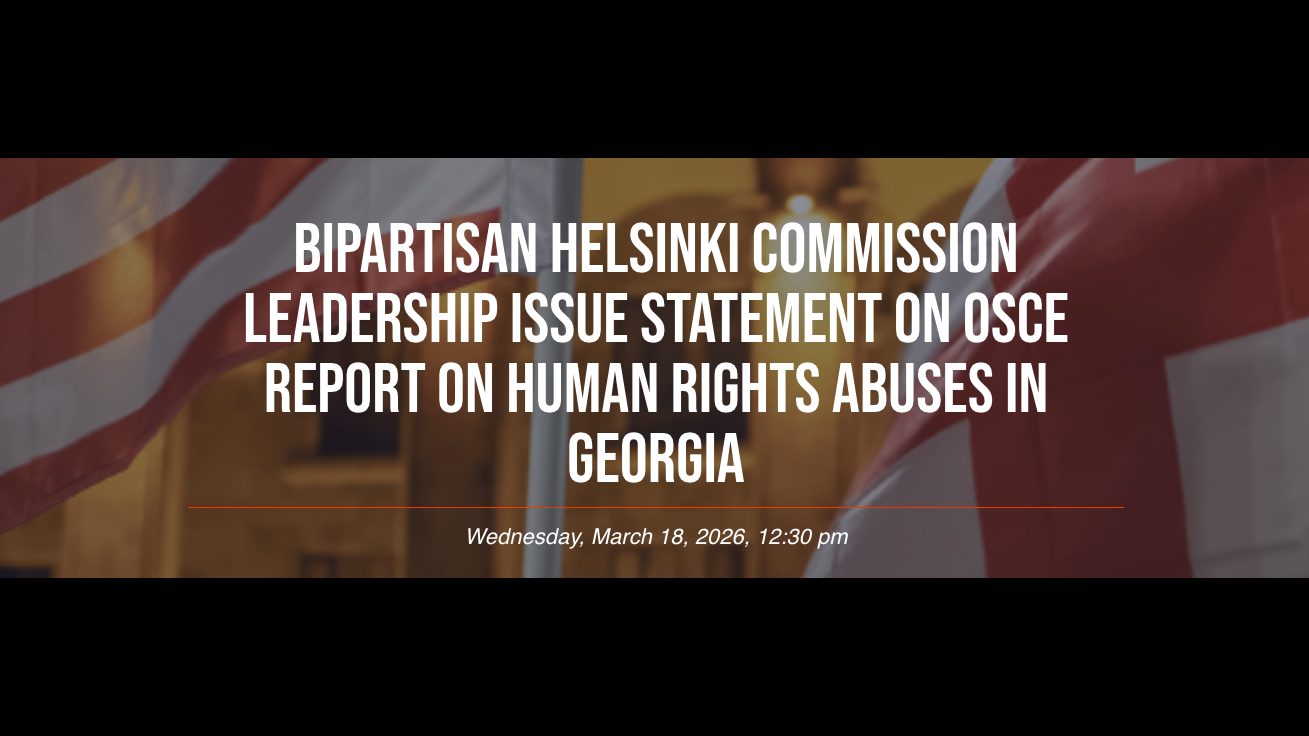
U.S. Helsinki Commission on Security and Cooperation in Europe presses Georgia over emergency‑style crackdowns
The U.S. Helsinki Commission issued a formal statement on March 18, 2026, entitled “Bipartisan Helsinki Commission Leadership issue Statement on OSCE Report on Human Rights Abuses in Georgia,” condemning Georgia’s systemic abuse of emergency‑like legislative powers and urging U.S. sanctions to compel compliance with international recommendations. This marks an explicit, bipartisan U.S. government acknowledgment that Georgia is leveraging emergency‑style laws to consolidate political control and suppress democratic opposition. The call for sanctions signals rising international pressure and potential policy movement if Georgia fails to reverse course.
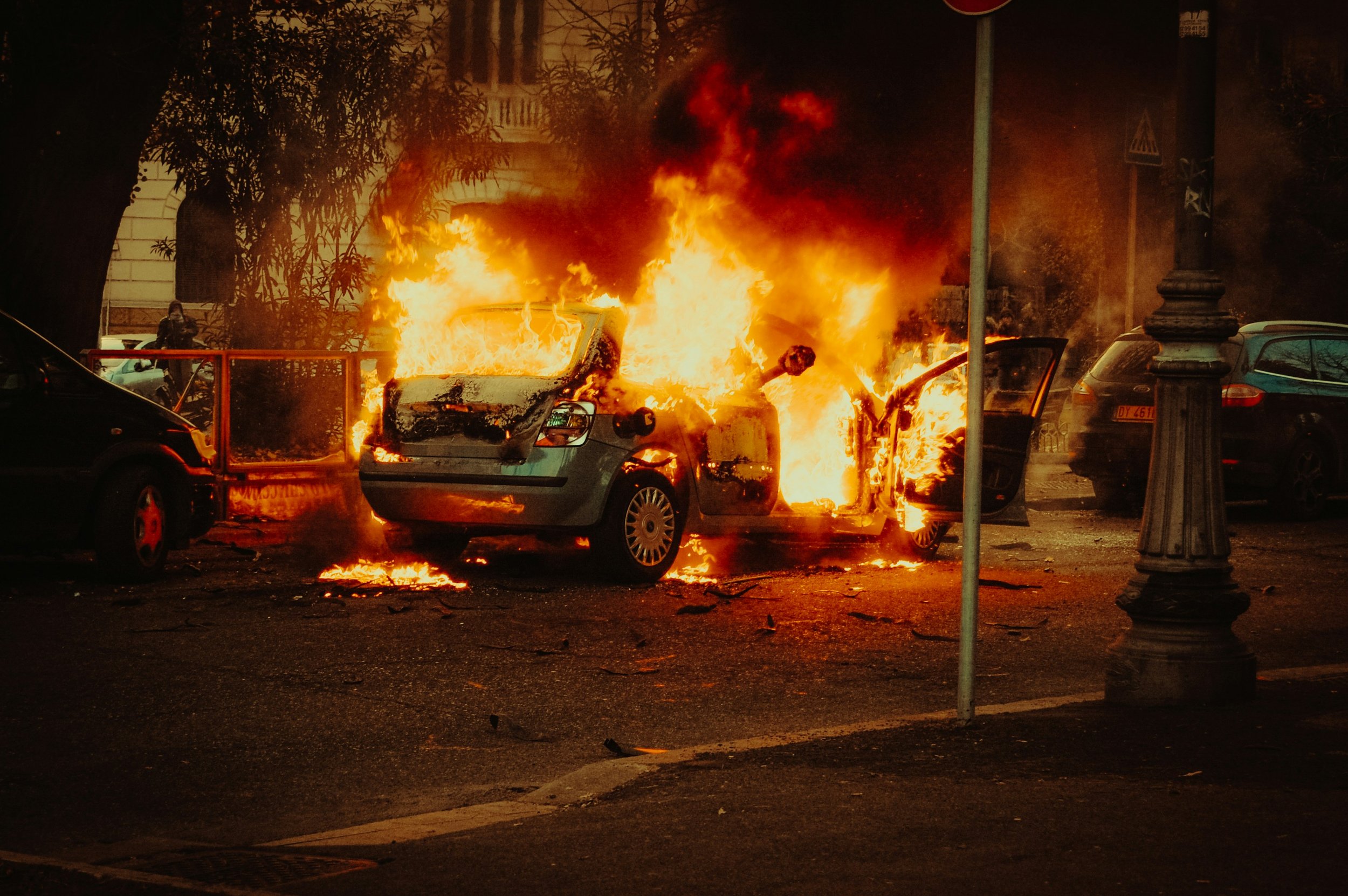
Do states of emergency in the Caribbean suppress gang violence or spread it? The cases of Jamaica and Trinidad and Tobago - The Armed Conflict Location & Event Data Project (ACLED)
Key Report Takeaways:
Transnational trafficking of drugs and weapons, combined with the fragmentation of the gang landscape, fueled an escalation in violence that peaked in 2023 in both Jamaica and Trinidad and Tobago.
In response, governments adopted states of emergency (SoEs) to curb gang violence. While violence declined in 2025, evidence does not support a direct or sustained link to SoEs.
SoEs produce uneven and localized reductions in violence. They can temporarily suppress violence, but often they displace gang activity to other areas.
The resilience and adaptability of gangs — through leadership succession, splintering, and mobility — have blunted the long-term impact of SoEs, with violence and rivalries frequently resuming after short-lived lulls.
Militarized security operations under SoEs have fueled police brutality and rights abuses, with effects that extend beyond emergency periods and erode public trust in law enforcement.
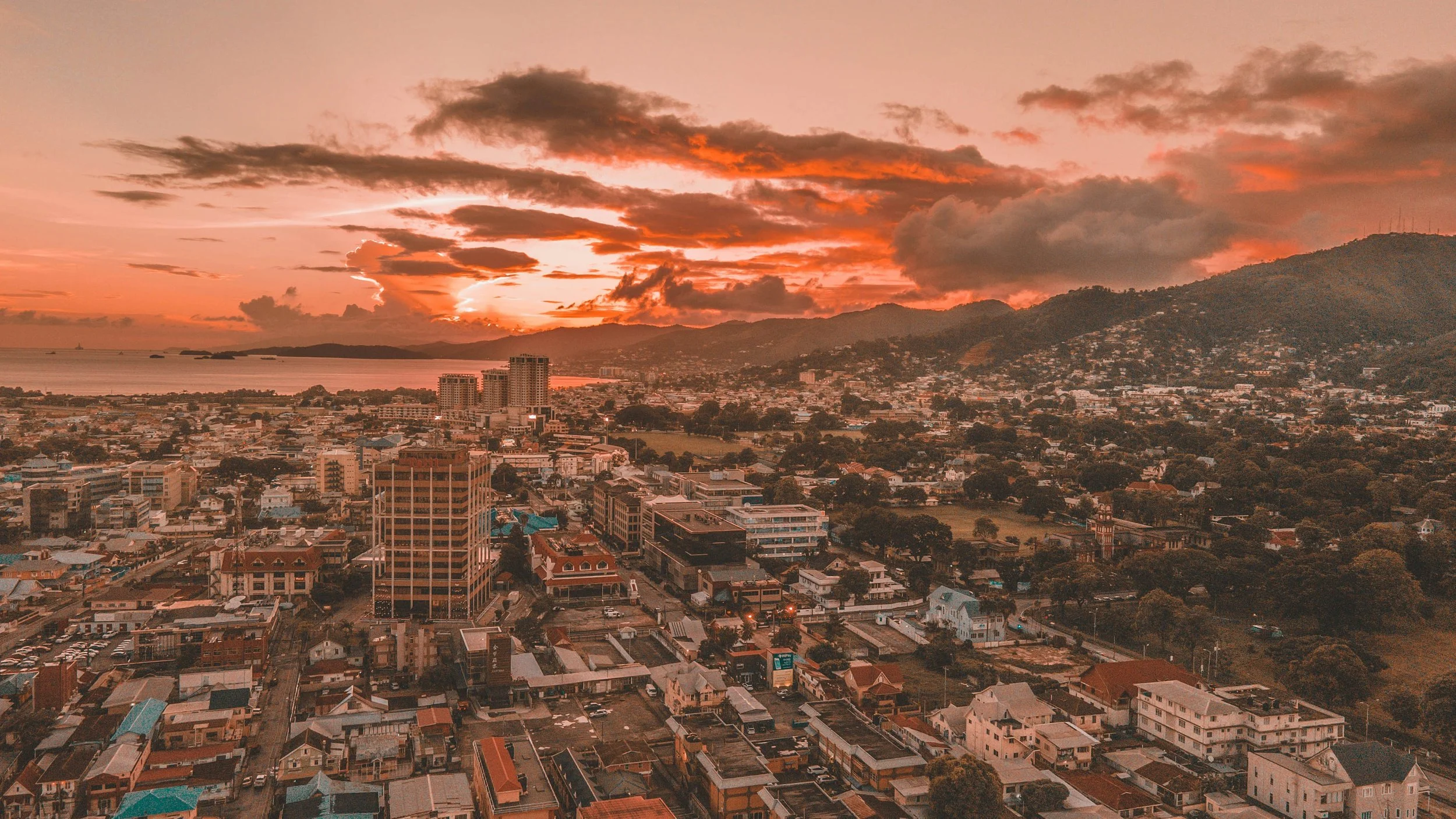
Trinidad and Tobago declares new state of emergency over persistent violent crime, then extends it - Associated Press
PORT-OF-SPAIN, Trinidad (AP) — Trinidad and Tobago declared a new state of emergency on March 3, 2026, only about a month after the end of the previous one, as authorities in the Caribbean nation continue to grapple with high levels of violent crime.
Prime Minister Kamla Persad-Bissessar cited credible reports of attacks planned against law enforcement officers in reimposing the emergency, which grants the government additional powers, including to make arrests and conduct searches without warrants.
Trinidad and Tobago has spent roughly 10 of the last 14 months under an emergency, with the last one ending January 31, 2026.
Bissessar said the country’s National Security Council has noted that ongoing crime has led to “multiple deaths due to mass shootings and that the continuance of reprisal shootings amongst criminal gangs, if left unchecked, would endanger public safety.”
The state of emergency has an initial duration of up to 15 days, but the government can extend it if needed. Government officials did not immediately announce any plans for a curfew.
Trinidad and Tobago’s government then, on March 13, 2026, received House of Representatives approval to extend the state of emergency for three months.
The two motions to extend the measure, which grants the government additional powers, including to make arrests and conduct searches without warrants, were approved in a 26-12 vote late Friday. There were no abstentions.

Nine times under emergency: A history of Trinidad & Tobago’s State of Emergency declarations: 1970-2026... - Daily Express
When Trinidad and Tobago declared yet another state of emergency (SoE) last week, it marked the ninth time since the country gained Independence in 1962 that a public declaration of emergency has been used to confront national challenges.
Sweeping emergency powers that suspend constitutional rights were once used sparingly for reasons ranging from social unrest to threats to its democracy. But more recently, the SoE has been used as a tool to deal with the problem of gang violence and crime.
Over the last five years—between 2021 and 2026—a total of four states of emergency have been declared.
According to Section 8 of the Constitution of Trinidad and Tobago, the President may declare an SoE if he/she is satisfied that a public emergency has arisen as a result of the imminence of a “State of War” between T&T and a foreign state, the occurrence of disaster or other calamity, or threats to endanger the public safety.
Historically, the use of emergency powers were invoked to quell disturbances, notably during the Black Power Movement of the 1970s, and the 1990 attempted coup that saw the Prime Minister and ministers taken hostage in the Parliament by armed members of the Jamaat-al-Muslimeen. Since then it has been used for public health purposes, and a variety of others.
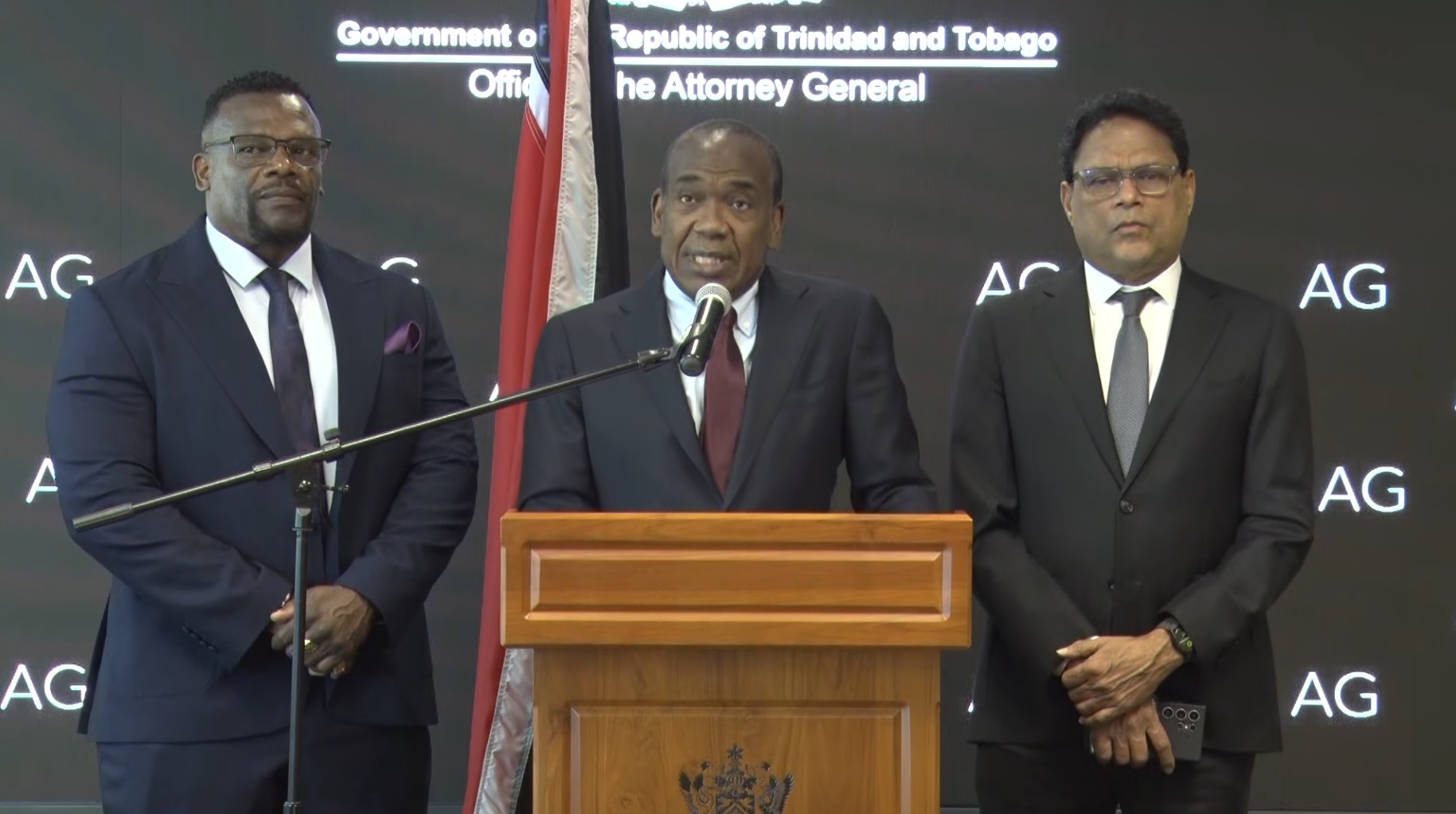
Statement From Trinidad and Tobago Attorney General John Jeremie SC on the State of Emergency
On March 3, 2026, the Government of Trinidad and Tobago reimposed a state of emergency following a resurgence of gang-related violence, including intelligence indicating imminent reprisal killings and coordinated attacks. Acting on the advice of the National Security Council, the Prime Minister invoked constitutional emergency provisions, with the President formally proclaiming the emergency effective immediately. The decision followed an earlier state of emergency (July 2025–January 2026), during which authorities reported significant reductions in crime through intelligence-led operations targeting organized criminal networks.
Officials framed the renewed declaration as a necessary response to escalating threats that exceeded the capacity of ordinary law enforcement tools, emphasizing a “zero tolerance” approach to gang activity and the protection of state institutions. At the same time, the government highlighted both the operational successes of prior emergency measures and the limits of legislative reforms intended to sustain those gains under normal legal conditions.