

All Content
Welcome to the Institute for the Study of States of Exception (ISSE) main content page, a single source for all posts from the Institute, including commentary on global events, book reviews, academic literature, links to our podcasts, and additional resources. Check back regularly for more content from us.
“Sovereign is he who decides the exception.”
— Carl Schmitt (Political Theology: Four Chapters on the Concept of Sovereignty, 1922)

Nine times under emergency: A history of Trinidad & Tobago’s State of Emergency declarations: 1970-2026... - Daily Express
When Trinidad and Tobago declared yet another state of emergency (SoE) last week, it marked the ninth time since the country gained Independence in 1962 that a public declaration of emergency has been used to confront national challenges.
Sweeping emergency powers that suspend constitutional rights were once used sparingly for reasons ranging from social unrest to threats to its democracy. But more recently, the SoE has been used as a tool to deal with the problem of gang violence and crime.
Over the last five years—between 2021 and 2026—a total of four states of emergency have been declared.
According to Section 8 of the Constitution of Trinidad and Tobago, the President may declare an SoE if he/she is satisfied that a public emergency has arisen as a result of the imminence of a “State of War” between T&T and a foreign state, the occurrence of disaster or other calamity, or threats to endanger the public safety.
Historically, the use of emergency powers were invoked to quell disturbances, notably during the Black Power Movement of the 1970s, and the 1990 attempted coup that saw the Prime Minister and ministers taken hostage in the Parliament by armed members of the Jamaat-al-Muslimeen. Since then it has been used for public health purposes, and a variety of others.
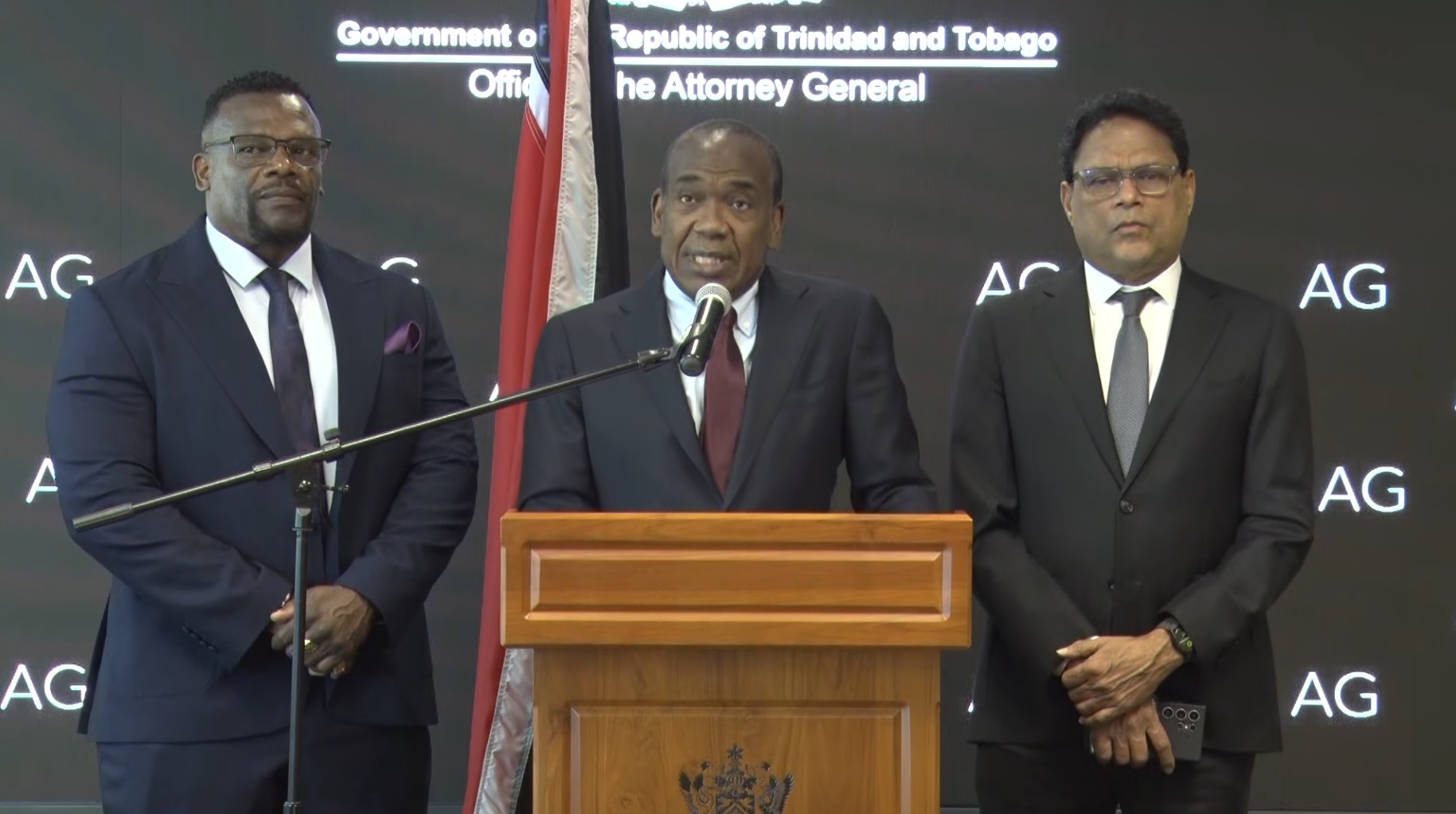
Statement From Trinidad and Tobago Attorney General John Jeremie SC on the State of Emergency
On March 3, 2026, the Government of Trinidad and Tobago reimposed a state of emergency following a resurgence of gang-related violence, including intelligence indicating imminent reprisal killings and coordinated attacks. Acting on the advice of the National Security Council, the Prime Minister invoked constitutional emergency provisions, with the President formally proclaiming the emergency effective immediately. The decision followed an earlier state of emergency (July 2025–January 2026), during which authorities reported significant reductions in crime through intelligence-led operations targeting organized criminal networks.
Officials framed the renewed declaration as a necessary response to escalating threats that exceeded the capacity of ordinary law enforcement tools, emphasizing a “zero tolerance” approach to gang activity and the protection of state institutions. At the same time, the government highlighted both the operational successes of prior emergency measures and the limits of legislative reforms intended to sustain those gains under normal legal conditions.

Canadian Courts Are Holding the Line on National Emergency Powers - Lawfare
In a recent Lawfare piece, Jeffery Tobin argued that the Americas are fast becoming a “Hemisphere of Exceptions.” From Ecuador, to Honduras, to the United States, executives across the region are increasingly deploying emergency measures—once conceived as temporary constitutional relief valves—as central instruments of governance to bypass legislative paralysis and manage chronic instability. As Tobin observes, this drift signals a dangerous transformation in which “legality [yields] to expediency” and crisis becomes a standing justification for rule by fiat.
However, one nation has emerged as a notable exception to this trend. In January, Canada’s Federal Court of Appeal (FCA) delivered a landmark unanimous decision in Canada (Attorney General) v. Canadian Civil Liberties Association. The decision affirmed that the federal government’s 2022 invocation of the Emergencies Act in response to the anti-lockdown “Freedom Convoy” was both unreasonable and ultra vires. In doing so, it upheld an earlier Federal Court ruling in Canadian Frontline Nurses v. Canada, which had found that the Cabinet lacked objectively reasonable grounds to believe a national emergency existed.
While counsel for the government still needs to review the decision and weigh a final appeal to the Supreme Court of Canada, the FCA’s ruling currently stands as the definitive interpretation of the act’s various thresholds. Consequently, Canada is emerging as a notable exception to the regional drift toward emergency powers, owing to decisive judicial interventions that have reasserted statutory limits on executive power.

Capturing the minds: The role of child deportation in maintaining Russian authority over Ukraine’s occupied territories
Russia’s systematic deportation and transfer of Ukrainian children from occupied territories since 2014 is a central instrument of Russian governance. This article conceptualises the abduction of children as politicised captivity – the state-directed, long-term custodial control of a vulnerable population segment for explicitly political ends. The removal of children serves the strategic goals of exerting coercive pressure on local families, disrupting Ukrainian identity transmission, and facilitating demographic restructuring. Drawing on Foucault’s ‘biopolitics’ and Agamben’s ‘state of exception’, we analyse how institutional and legal mechanisms, from ‘recreation’ camps to streamlined adoption decrees, are employed to seize control over the identity formation and future political subjectivity of minors. Empirical findings, derived from witness testimonies and interviews, detail the operational pathways of transfer (e.g., filtration, holiday schemes) and the resulting experiences of psychological trauma, educational disruption, and ideological indoctrination. We argue that by targeting children, Russian authorities employ a sophisticated form of biopolitical control that is fundamental to maintaining and legitimising their long-term authority in contested spaces.
ISSE Comment: This article aligns closely with ISSE’s underlying inquiry into how exceptional forms of power are converted into durable techniques of rule. At one level, it documents grave abuses against Ukrainian children; at a deeper level, it shows how those abuses are embedded within an administrative, legal, and ideological apparatus designed to consolidate authority in occupied territory. That is precisely the kind of transformation ISSE seeks to examine: the movement from emergency or wartime justification to routinized governance. The article is especially valuable in showing that the relevant question is not only whether a violation occurred, but how coercive practices are institutionalized through decrees, custody systems, educational policy, demographic engineering, and narratives of “protection” or “rescue.” In ISSE’s framework, this is a revealing case of the exception becoming normalized, where extraordinary interventions into family life, identity, and legal status are made to appear administratively ordinary.
The piece also speaks directly to ISSE’s broader concern with the relationship between sovereignty, legality, and political subject formation. Its use of biopolitics, the state of exception, and necropolitics helps illuminate how modern systems of control operate not only through overt repression, but through the management of populations, the reordering of legal protections, and the attempted remaking of future citizens. By focusing on children, the article identifies one of the most consequential sites of long-term political struggle: the shaping of memory, belonging, and national continuity across generations. For ISSE, this makes the article important not simply as an account of wartime abuse, but as an analysis of how state power seeks to reconstitute social and political reality itself, through the capture of vulnerable populations, the suspension or distortion of legal constraint, and the strategic use of administrative systems to transform exceptional domination into an enduring order.

State Power and the Spectacle of Death: Violence, Impunity and Martyrdom in Fatima Bhutto’s Memoir “The Hour of the Wolf”
This article examines the problem of state violence and institutional impunity in Pakistan through a close textual analysis of Fatima Bhutto’s memoir “The Hour of the Wolf.” It argues that political violence in Pakistan is not an institutional failure but a recurring mode of governance in which law is selectively suspended, accountability is indefinitely deferred, and death is symbolically managed through public narratives of martyrdom. To conceptualize this process, the article develops an original theoretical framework, the Exception-Martyrdom Apparatus, by integrating Giorgio Agamben’s notion of the state of exception with Judith Butler’s theory of grievability. Drawing on sustained close readings of the memoir, the study demonstrates how violence is administratively coordinated, how impunity is produced through delay and silence, and how martyrdom functions as a form of political eyewash that substitutes moral reverence for justice. Rather than offering narrative closure, “The Hour of the Wolf” exposes the structural conditions that allow political killing to persist without accountability. The article positions the memoir as a critical counter-archive of state power and contributes to South Asian Studies by reframing impunity as governance rather than breakdown.
Backdoor Executive Empowerment
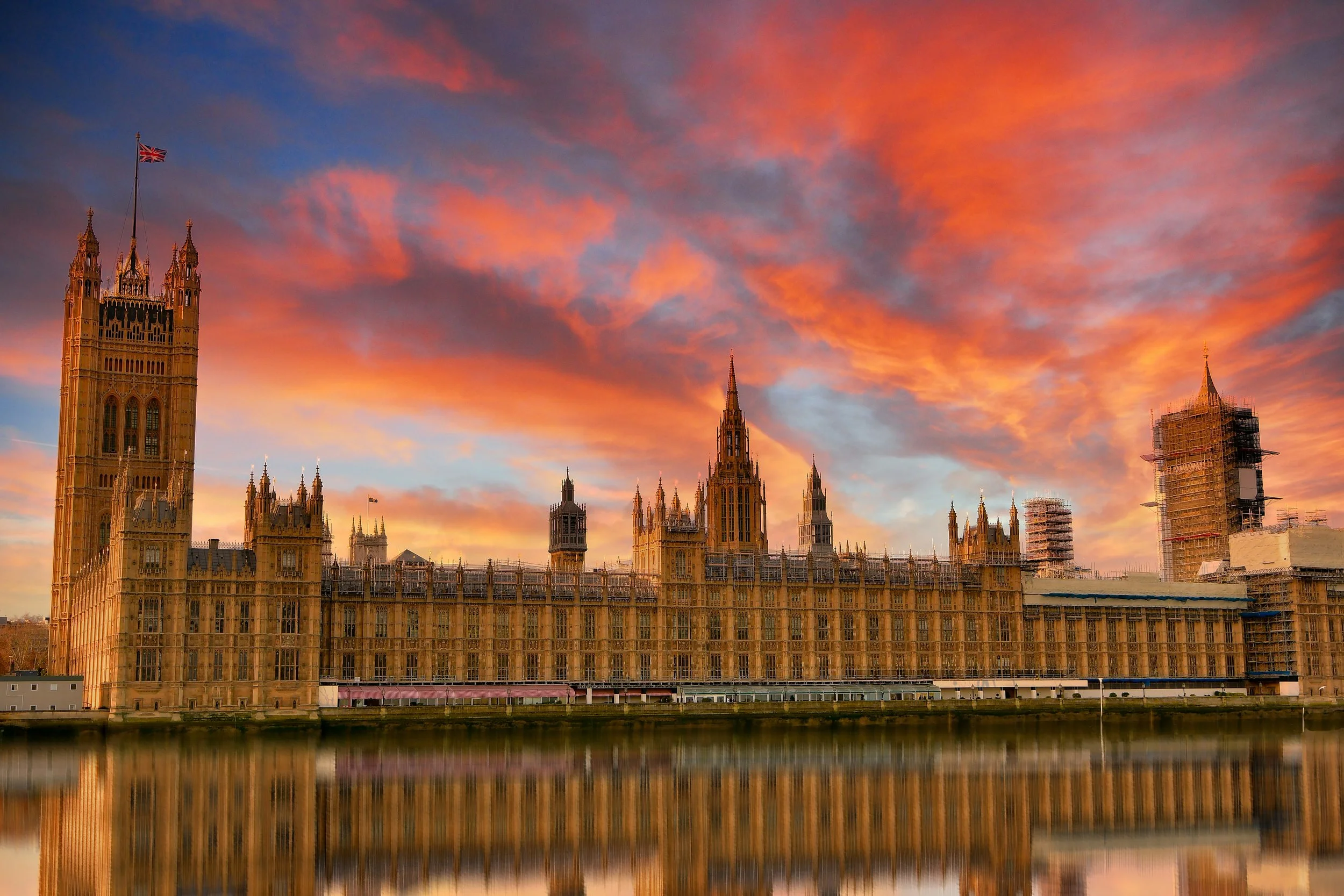
Abstract: Recent UK legislative reform has further empowered the UK Executive, degrading horizontal and vertical constraints on powers interfering with human rights, and this has largely taken place via the ‘back door’ through repeated marginalisation of Parliament. Between 2021 and 2023, 11 pieces of primary legislation were given Royal Assent which narrowed Executive accountability mechanisms in relation to coercive and administrative powers identified as weakening human rights protections by the Joint Committee on Human Rights. Echoing both recent and long-standing trends in UK law-making, such reform has been sent through Parliament while employing mechanisms of parliamentary marginalisation, undermining the ability of parliamentarians and broader civil society to scrutinise the changes. The passing of a constitutionally significant group of legislation in this manner created a ‘back door’ through which the UK Executive was able to expand its powers with minimal scrutiny. Such backdoor Executive empowerment supports scholarship highlighting the lack of firm UK constitutional constraints of the Executive. While the paper’s analysis does not make a claim on the overall status of UK democracy, it does argue that the recent legal reform mirrors dynamics identified with respect to democratic erosion, suggesting the need for further assessment of the UK’s democratic health.
ISSE Comment: Unlike the constitutional structure of the United States, which is defined by three formally separate and co-equal branches, the United Kingdom operates under a parliamentary system within a constitutional monarchy, where the Government is drawn from and dependent upon a majority in Parliament. In principle, this fusion of executive and legislative authority is designed to ensure political accountability and coherence, avoiding the institutional deadlock that can arise in presidential systems when different branches are controlled by opposing parties. The loss of parliamentary confidence can rapidly dissolve a government and trigger new elections, reinforcing this model of political responsibility. At the same time, this structure affords the Government significant control over the legislative agenda, often to a degree not seen in more rigidly separated systems.
Against this institutional backdrop, Lock’s analysis in Backdoor Executive Empowerment identifies a concerning evolution in legislative practice. She argues that, notwithstanding the Government’s already substantial procedural advantages, recent reforms have increasingly relied on mechanisms that marginalize parliamentary scrutiny, such as compressed legislative timetables and constrained debate, to facilitate the passage of controversial measures, particularly those expanding executive authority and weakening accountability safeguards. While these practices do not invoke formal emergency powers or states of exception, they reflect a functionally analogous dynamic: the incremental reconfiguration of constitutional constraints through procedural means that operate below the threshold of overt crisis. In this sense, the trend raises broader questions central to ISSE’s work, namely, how exceptional forms of governance can emerge not only through declared emergencies, but through the gradual normalization of practices that diminish oversight, transparency, and democratic deliberation.

Myanmar and the Institutionalization of Exception: Governance Five Years After the 2021 Coup - ISSE Analysis
Five years after the 2021 coup, Myanmar presents a critical case for understanding how emergency powers evolve beyond their original justification. What began as a constitutionally framed state of emergency has developed into a durable and contested system of governance, where the line between exceptional and ordinary rule has blurred. Recent efforts to reconvene parliament under military-aligned conditions highlight attempts to restore institutional form while leaving underlying questions of legitimacy unresolved. At the same time, competing claims between the junta and a government-in-exile underscore a deeper fragmentation of sovereignty that international law has yet to reconcile. This analysis examines how emergency authority in Myanmar has moved from temporary invocation to embedded order, reshaping the structure of governance itself.

French dual constitutionalism, Tocqueville and Algeria: liberal authoritarianism as constitutional technique of liberal imperialism
This paper argues that liberal authoritarianism – defined here as a liberal technique of government fusing authoritarianism with liberalism for the purpose of the ‘free market’, following Hermann Heller – corresponds a form of dual constitutionalism or fragmented legality. Dual constitutionalism, originally a colonial technique of governance, relies on a liberal constitution enshrining a state of exception which suspends it on specific matters, territories, and during certain times. It can be either military – called in France the ‘state of siege’, the continental version of the British Martial Law – or civilian – the ‘state of emergency’. In the case of France, liberal authoritarianism has witnessed several declinations since the French Revolution, flourishing in the liberal colonialism of the late 19th century, then the full-fledged liberal authoritarianism of the interwar period, and eventually in the neoliberal authoritarianism of the 4th and 5th republic. Focusing on the relationship between France and its Algerian colony during the Third Republic (1870–1940), one of the most liberal periods ever in French history, it documents how the State of Exception was used to establish a legalised state of dictatorship where all executive, legislative and judicial powers were vested in the hands of a governor, in order to force the creation of markets by breaking down collective land ownership and use and other non-liberal economic customs of the local population, using, in particular, the legal tool of the ‘sequestre’ which allowed the State to forcibly expropriate land and seize assets of the local population without compensation, forced labour and internment camps – all in order to incentivize ‘free enterprise’ by the colonizers. Many of these legal tools and techniques migrated back to the metropolis when the Third Republic officially dissolved into a Nazi State in 1940, through legal means and in accordance with the constitutional procedures of the Third Republic.
Rethinking crisis management: Technocracy, globalism, and the rise of emergenciocracy
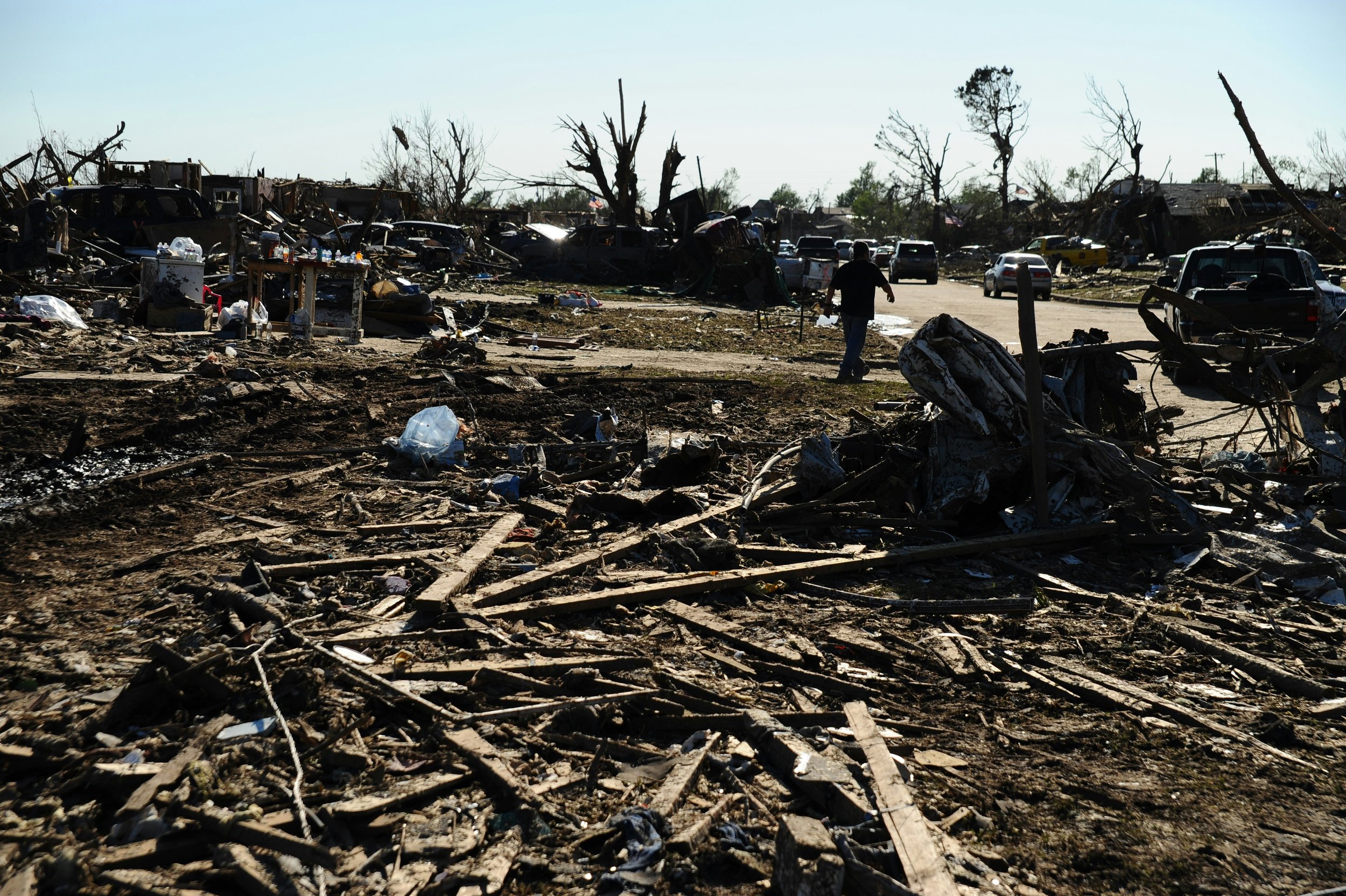
By examining the intersection of technocracy, globalism, and the increasing weight of emergencies in decision-making processes, the paper presents and discusses the concept of emergenciocracy, a governance framework that normalizes the use of emergencies as a structural and rhetorical tool to manage crises. The analysis situates emergenciocracy within the broader context of the ongoing polycrisis—the convergence of ecological, health, economic, and geopolitical crises—arguing that this framework generates a departure from traditional democratic norms. Emergencies, initially framed as temporary deviations, have evolved (and will evolve) into sustained modes of governance, consolidating authority while bypassing deliberative processes: this is not only referred to biopolitics as postulated by Agamben but especially to political opportunity structures, implying the risk to increase socio-economic inequality. Moving in particular from energy and climate issues, I highlight the role of technocratic expertise and centralized transnational governance in shaping responses to crises, criticizing the depoliticization of public discourse through the fetishization of technical solutions, which often marginalize alternative epistemologies and community-driven initiatives.
An important aspect being explored is also the complex role of grassroots movements in legitimizing emergenciocratic practices. While such movements advocate for urgent action on critical issues related to social and environmental justice, their reliance on emergency rhetoric may inadvertently reinforce top-down governance structures.
Emergency Tariffs and the Supreme Court: The IEEPA Decision
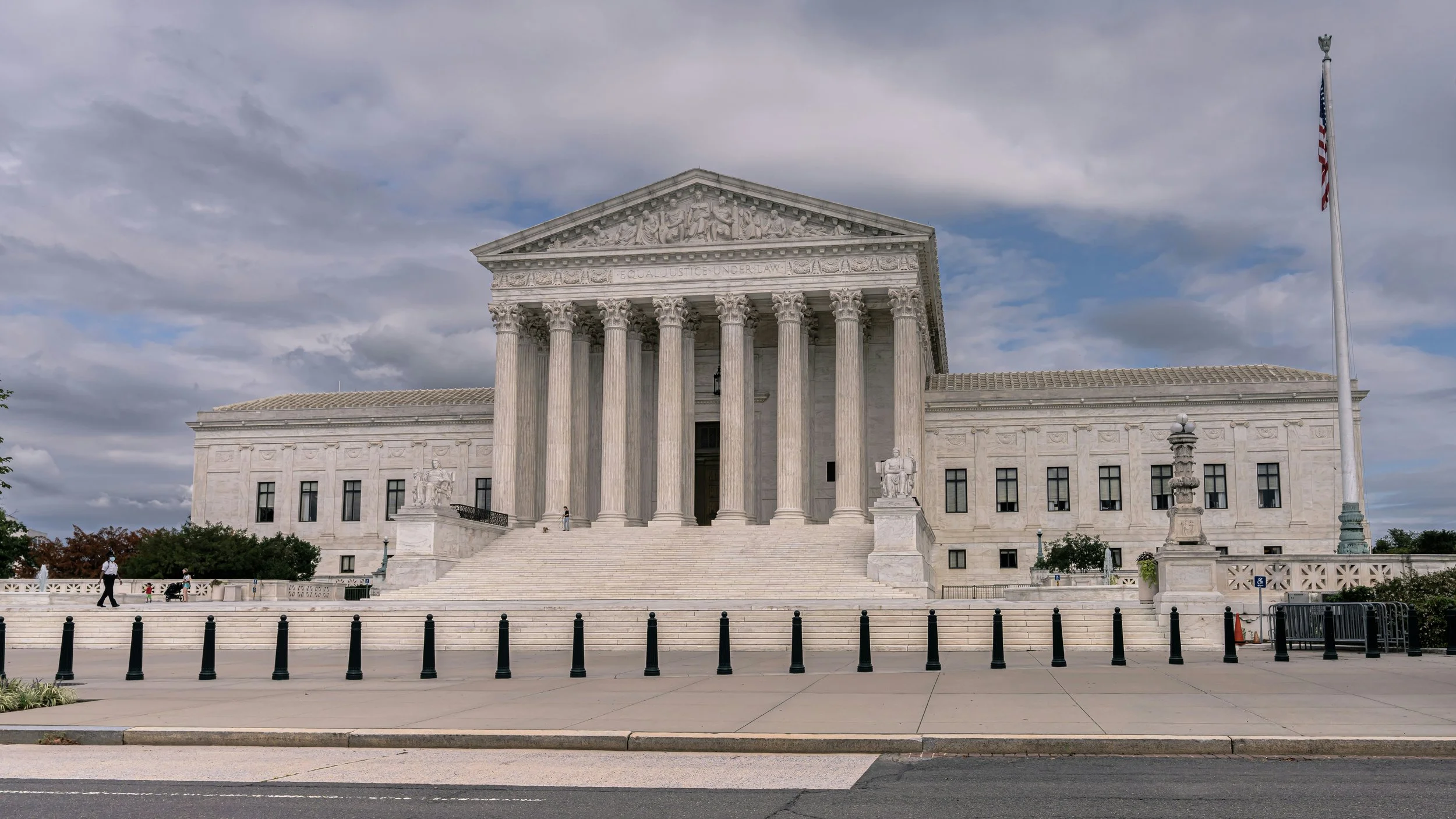
On February 20, 2026, the Supreme Court issued its decision in the consolidated tariffs cases, Learning Resources, Inc. v. Trump and Trump v. V.O.S. Selections, Inc., holding 6–3 that the International Emergency Economic Powers Act (IEEPA) does not authorize the President to impose tariffs. Writing for the majority, Chief Justice Roberts concluded that although IEEPA grants broad authority to regulate economic transactions during declared national emergencies, it does not include the distinct power to levy tariffs or duties — authorities constitutionally assigned to Congress under Article I. The Court further held that the Major Questions Doctrine applies even in the context of emergency statutes addressing foreign affairs, and that Congress must speak clearly if it intends to delegate tariff-setting authority of such vast economic and political significance. Because IEEPA contains no explicit reference to tariffs or duties, the challenged “Liberation Day” and reciprocal tariffs were deemed unlawful.

The IEEPA Decision and the Architecture of Emergency Governance: A Partial Check on Executive Power - ISSE Analysis
The Supreme Court’s decision in Learning Resources, Inc. v. Trump blocks the use of the International Emergency Economic Powers Act to impose tariffs, drawing an important statutory boundary around executive emergency authority. But the ruling turns on textual limits, not on scrutiny of the underlying emergency itself. As a result, while the Court prevented one expansion of presidential power, it left intact the broader architecture through which emergency declarations can accumulate authority over time. The case illustrates a central tension in contemporary governance: judicial intervention may constrain specific statutory overreach, even as the structural normalization of emergency power continues.

Former South Korea President sentenced to life in prison - Jurist News
Former South Korean president Yoon Suk Yeol has been sentenced to life imprisonment after the Seoul Central District Court found him guilty of leading an insurrection stemming from his December 3, 2024 declaration of martial law. The court concluded that his deployment of military and police forces against the National Assembly constituted an unlawful attempt to subvert the constitutional order, citing evidence that troops were ordered to blockade parliament and detain senior political leaders. Prosecutors had sought the death penalty, but the court imposed life imprisonment with hard labor, emphasizing the gravity of the societal and institutional harm caused. Several senior security and defense officials were also convicted and received lengthy prison terms. The ruling marks one of the most consequential judicial responses to executive overreach in South Korea’s democratic history, with additional legislative efforts underway to bar future presidential pardons for insurrection.

Guatemala’s 2026 State of Siege: Crisis, Authority, and the Boundaries of the Ordinary - ISSE Analysis
In January 2026, Guatemala invoked a 30-day state of siege after prison riots and coordinated attacks linked to the transnational gang Barrio 18 left 11 police officers dead. Ratified by Congress, the measure temporarily expanded police and military authority and was followed by a nationwide state of prevention once the siege expired. Government officials reported substantial security gains, including arrests, major drug seizures, and reductions in extortion and homicide. This analysis considers the episode through the framework of the state of exception, examining how constitutional democracies authorize extraordinary powers in moments of crisis and how those powers, even when formally time-bound, illuminate the delicate line between safeguarding public order and redefining the contours of ordinary law.

Podcast | Supreme Court Rules Trump’s Tariffs Unlawful Under IEEPA - National Constitution Center
On February 20, the Supreme Court ruled that the International Emergency Economic Powers Act, known as IEEPA, does not authorize President Trump’s sweeping tariffs. In Learning Resources, Inc. v. Trump, and the consolidated case, the Court held that the statute does not grant the President the power to impose tariffs under a declaration of economic emergency. In this podcast episode from the National Constitution Center, we explore what the Court held, why the Justices disagreed about the reasoning, and what this decision might tell us about the future of presidential emergency power. To help us explore these questions are two leading Court watchers and constitutional experts, Zachary Shemtob of SCOTUSblog and Ilya Somin of the George Mason University. Julie Silverbrook, vice president of civic education of the National Constitution Center, moderates.

The Political Economy of Emergency: Postcolonialism, Crisis Governance and Decolonial Alternatives
The political rhetoric surrounding the Horn of Africa is perpetually framed through narratives of crisis, tragedy and emergency. These labels, rather than simply being used to describe instability, function as tools of governance to normalise dysfunction and entrench cycles of dependency. Drawing on postcolonial frameworks, the discourse interrogates how such crisis narratives obscure and ignore structural issues. Further, this sustains and promotes external authority, often rooted in colonial narratives of the region. The exploration of case studies, Somalia and South Sudan, highlighting how international interventions, often framed as peacebuilding or humanitarian efforts, reinforce the very ‘crisis’ it aims to address. The solution to decolonise this paradigm created by western interventionist economies lies in alternatives grounded in African epistemologies of governance that centre local sovereignty. In doing so, reimagining governance beyond ‘emergency’, towards sustainable political autonomy, rooted in localised political power, emerges as the primary, if not only, viable solution.

The Hidden Nondelegation Issue Raised by Trump v. Slaughter - Lawfare
The Supreme Court’s consideration of Trump v. Slaughter raises more than a dispute over agency removal protections. In the accompanying Lawfare article, Michael R. Dreeben examines whether overruling Humphrey’s Executor might be counterbalanced by renewed limits on congressional delegation. ISSE’s analysis builds on that doctrinal discussion to explore a related structural question: how weakening agency independence could reshape the architecture of emergency governance. Together, the pieces illuminate how shifts in administrative design may alter not only separation-of-powers doctrine, but also the institutional channels through which exceptional authority is exercised.

ISSE discussed with Adam Kinzinger
In this February 18, 2026, podcast discussion with Adam Kinzinger entitled “Former CIA Ops Chief on Ukraine, Munich, and the U.S. Europe Shift,” ISSE’s Founder and Governing Board Chair Ed Bogan talks about a range of topics including what he saw and heard at the 2026 Munich Security Conference, the current trajectory for Ukraine in its fight against Russia, and of course, ISSE.
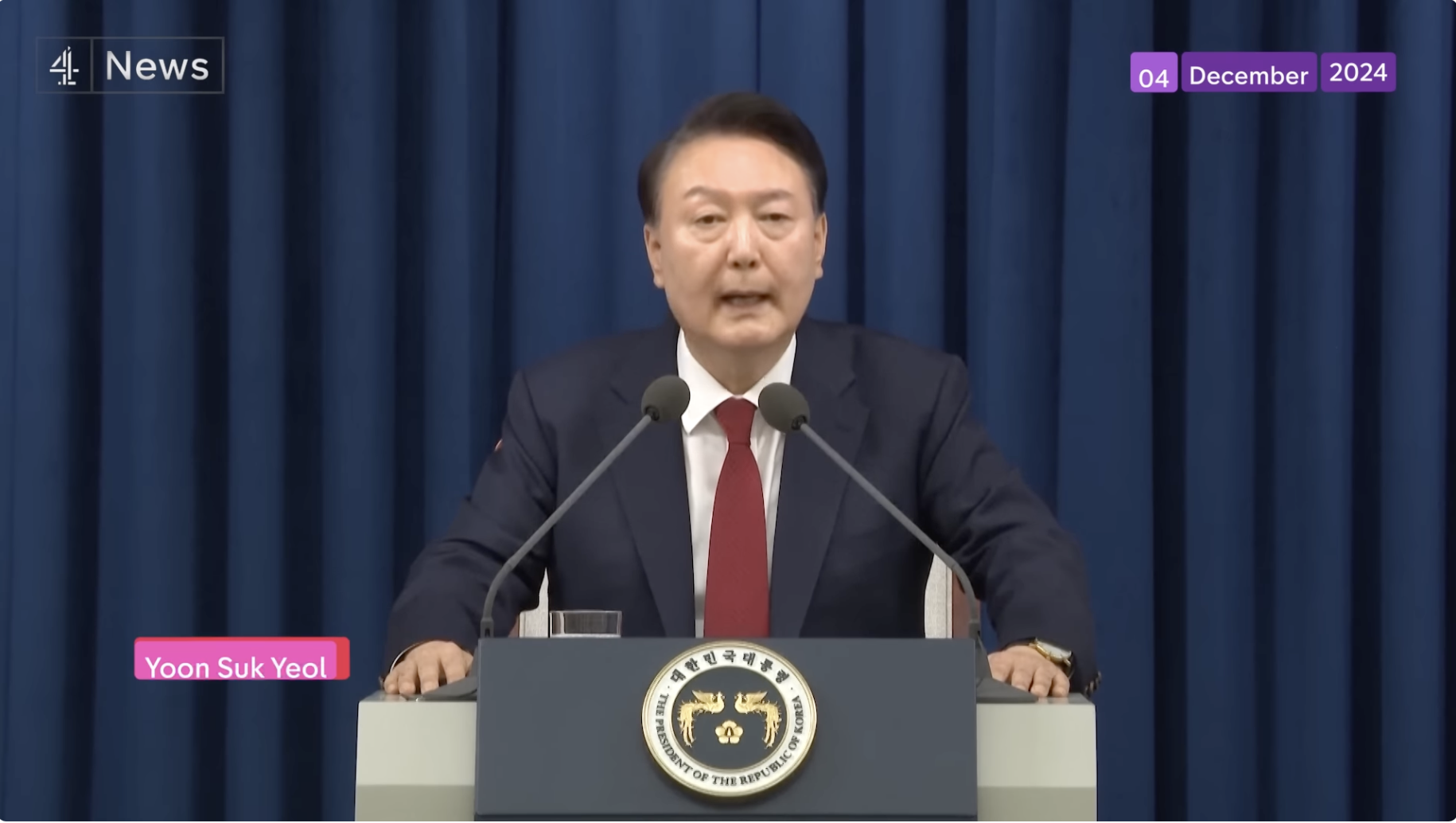
Former South Korean President Yoon Suk Yeol handed life sentence - but spared death penalty - Channel 4 News
South Korea’s former president, Yoon Suk Yeol, has been sentenced to life imprisonment after a failed six-hour declaration of martial law in December 2024 led to his conviction for insurrection. Although martial law is constitutionally permitted under certain emergency conditions, the move was widely seen as an extreme response to domestic political pressures and triggered deep national polarization. His arrest, prosecution, and sentencing nevertheless unfolded through established legal processes, demonstrating the resilience of South Korea’s democratic institutions. The episode offers a stark case study in how emergency powers can be invoked, contested, and ultimately constrained within a constitutional system.

Why Emergency Powers Are Democracy’s Stress Test - The Recursive
On December 30, 2025, The Recursive’s Teodora Atanasova published a late 2025 interview with ISSE’s Founder and Governing Board Chair Ed Bogan, discussing all facets of emergency powers abuses, and as well the strategy and goals of ISSE.
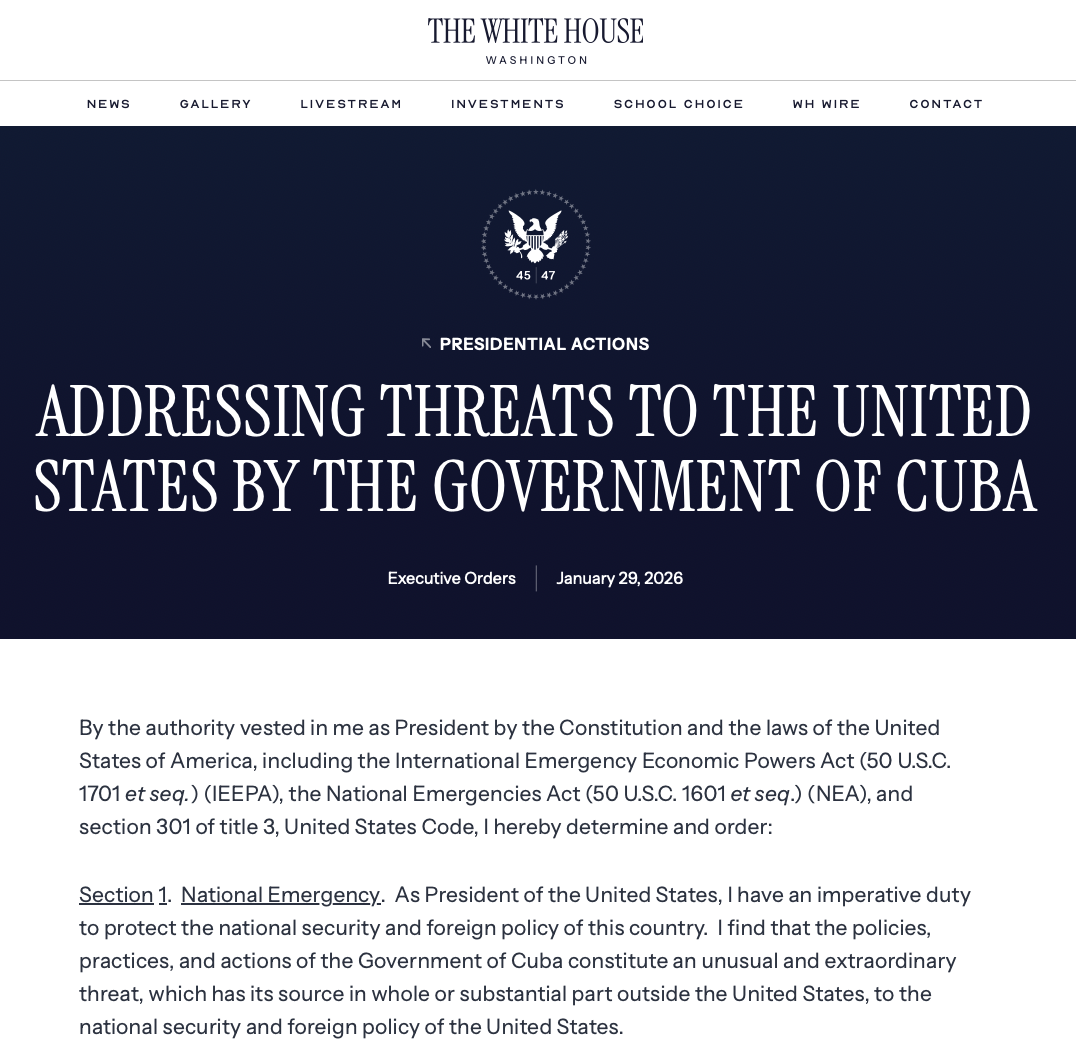
ISSE Explainer: The 2026 U.S. National Emergency Declaration on Cuba
On January 29, 2026, U.S. President Donald J. Trump signed an Executive Order titled “Addressing Threats to the United States by the Government of Cuba,” declaring that the current geopolitical dynamics involving Cuba constitute an “unusual and extraordinary threat” to U.S. national security and foreign policy, and as such further constitute a formal national emergency under the National Emergencies Act (NEA) and the International Emergency Economic Powers Act (IEEPA).
This explainer situates the declaration within the broader framework of U.S. emergency powers, outlining the legal authorities invoked and the mechanisms through which the order is intended to be implemented. ISSE’s analysis focuses on clarifying how this emergency functions in practice, what it enables as a matter of law, and why its invocation matters in the context of the growing normalization of emergency authorities in U.S. governance. The piece is intended to provide readers with a clear, accessible account of the declaration itself and its immediate implications, rather than a normative assessment of U.S.-Cuba policy.