

All Content
Welcome to the Institute for the Study of States of Exception (ISSE) main content page, a single source for all posts from the Institute, including commentary on global events, book reviews, academic literature, links to our podcasts, and additional resources. Check back regularly for more content from us.
“Sovereign is he who decides the exception.”
— Carl Schmitt (Political Theology: Four Chapters on the Concept of Sovereignty, 1922)

U.S. Helsinki Commission on Security and Cooperation in Europe presses Georgia over emergency‑style crackdowns
The U.S. Helsinki Commission issued a formal statement on March 18, 2026, entitled “Bipartisan Helsinki Commission Leadership issue Statement on OSCE Report on Human Rights Abuses in Georgia,” condemning Georgia’s systemic abuse of emergency‑like legislative powers and urging U.S. sanctions to compel compliance with international recommendations. This marks an explicit, bipartisan U.S. government acknowledgment that Georgia is leveraging emergency‑style laws to consolidate political control and suppress democratic opposition. The call for sanctions signals rising international pressure and potential policy movement if Georgia fails to reverse course.
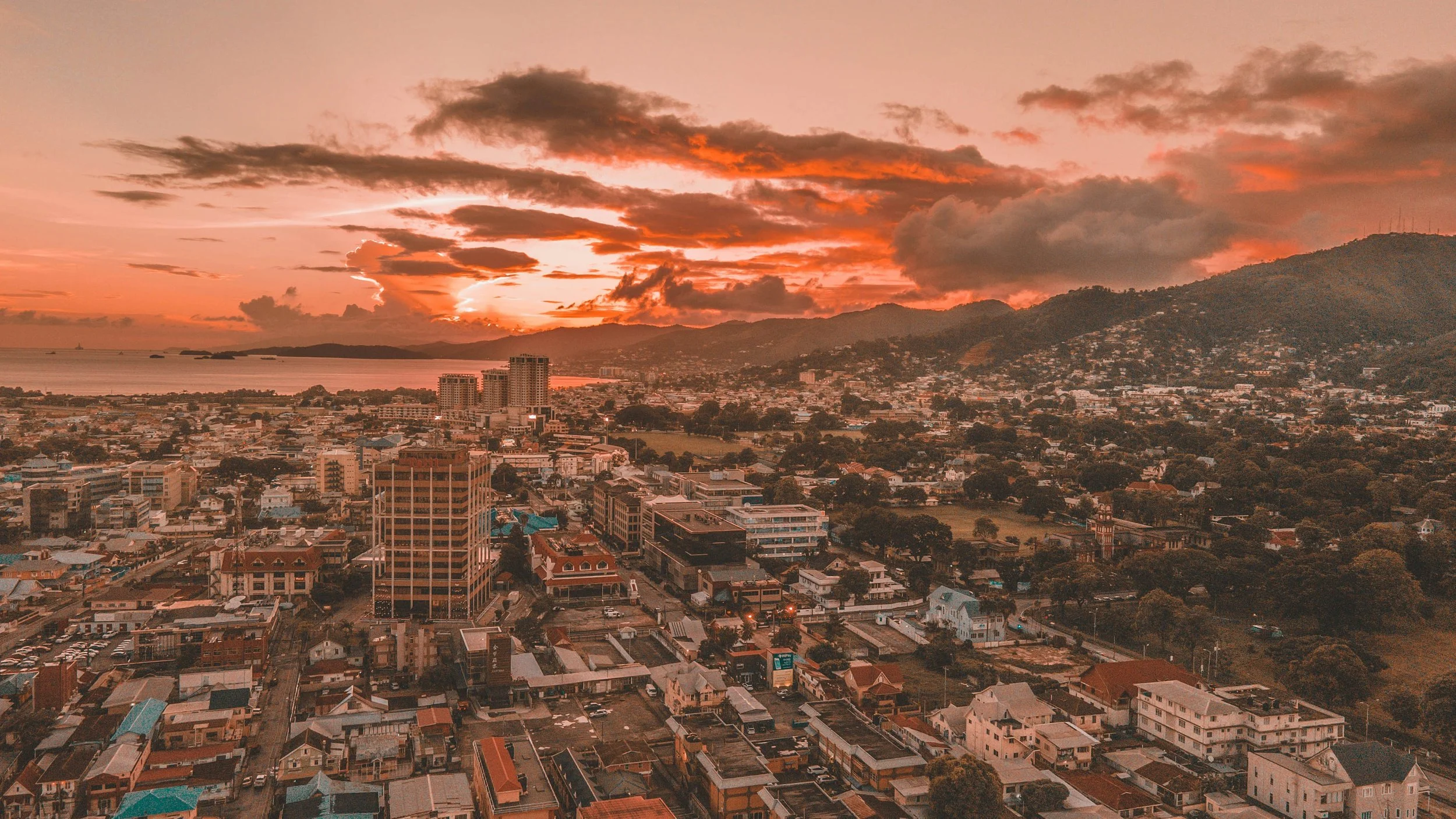
Trinidad and Tobago declares new state of emergency over persistent violent crime, then extends it - Associated Press
PORT-OF-SPAIN, Trinidad (AP) — Trinidad and Tobago declared a new state of emergency on March 3, 2026, only about a month after the end of the previous one, as authorities in the Caribbean nation continue to grapple with high levels of violent crime.
Prime Minister Kamla Persad-Bissessar cited credible reports of attacks planned against law enforcement officers in reimposing the emergency, which grants the government additional powers, including to make arrests and conduct searches without warrants.
Trinidad and Tobago has spent roughly 10 of the last 14 months under an emergency, with the last one ending January 31, 2026.
Bissessar said the country’s National Security Council has noted that ongoing crime has led to “multiple deaths due to mass shootings and that the continuance of reprisal shootings amongst criminal gangs, if left unchecked, would endanger public safety.”
The state of emergency has an initial duration of up to 15 days, but the government can extend it if needed. Government officials did not immediately announce any plans for a curfew.
Trinidad and Tobago’s government then, on March 13, 2026, received House of Representatives approval to extend the state of emergency for three months.
The two motions to extend the measure, which grants the government additional powers, including to make arrests and conduct searches without warrants, were approved in a 26-12 vote late Friday. There were no abstentions.
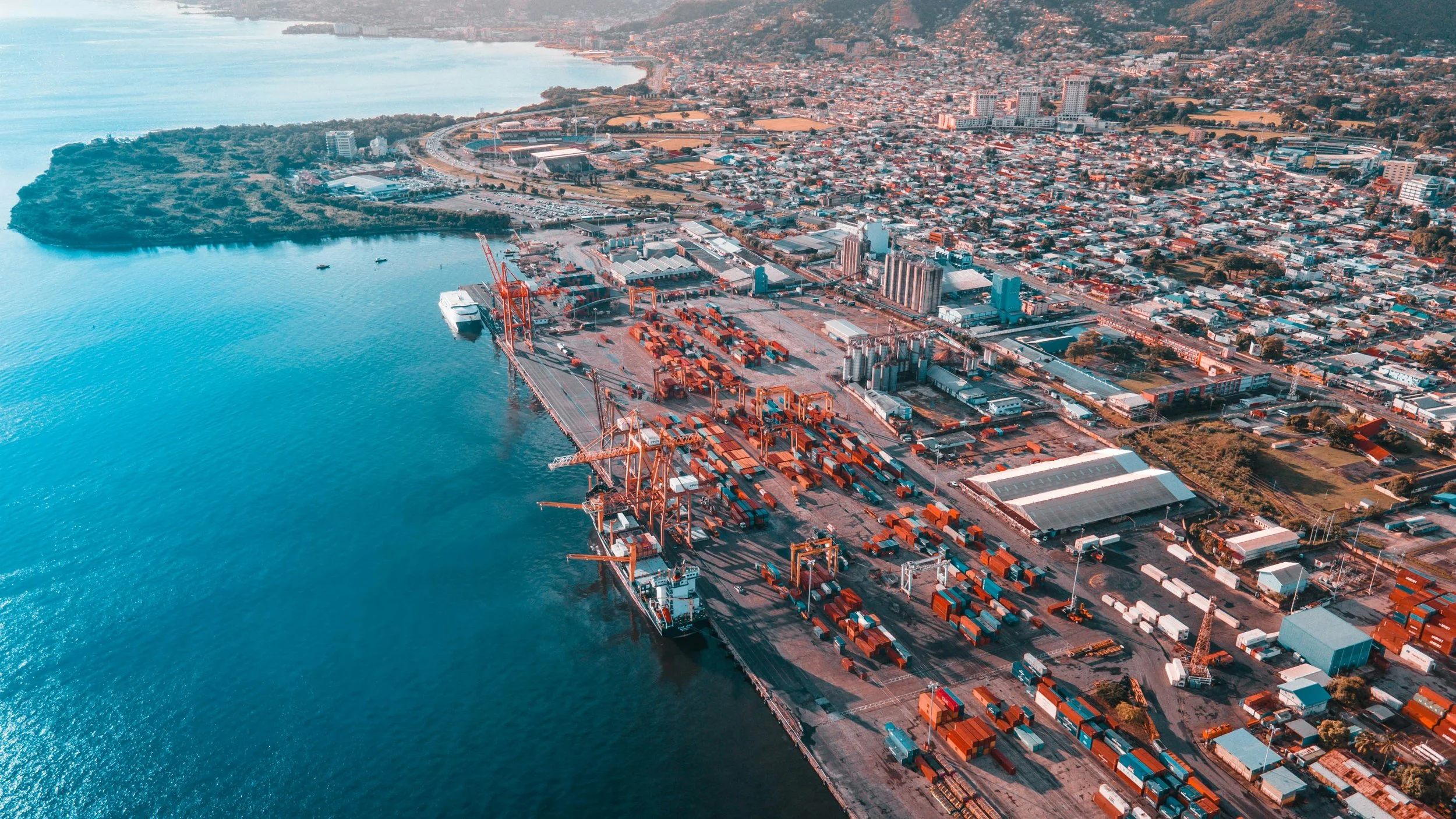
Nine times under emergency: A history of Trinidad & Tobago’s State of Emergency declarations: 1970-2026... - Daily Express
When Trinidad and Tobago declared yet another state of emergency (SoE) last week, it marked the ninth time since the country gained Independence in 1962 that a public declaration of emergency has been used to confront national challenges.
Sweeping emergency powers that suspend constitutional rights were once used sparingly for reasons ranging from social unrest to threats to its democracy. But more recently, the SoE has been used as a tool to deal with the problem of gang violence and crime.
Over the last five years—between 2021 and 2026—a total of four states of emergency have been declared.
According to Section 8 of the Constitution of Trinidad and Tobago, the President may declare an SoE if he/she is satisfied that a public emergency has arisen as a result of the imminence of a “State of War” between T&T and a foreign state, the occurrence of disaster or other calamity, or threats to endanger the public safety.
Historically, the use of emergency powers were invoked to quell disturbances, notably during the Black Power Movement of the 1970s, and the 1990 attempted coup that saw the Prime Minister and ministers taken hostage in the Parliament by armed members of the Jamaat-al-Muslimeen. Since then it has been used for public health purposes, and a variety of others.
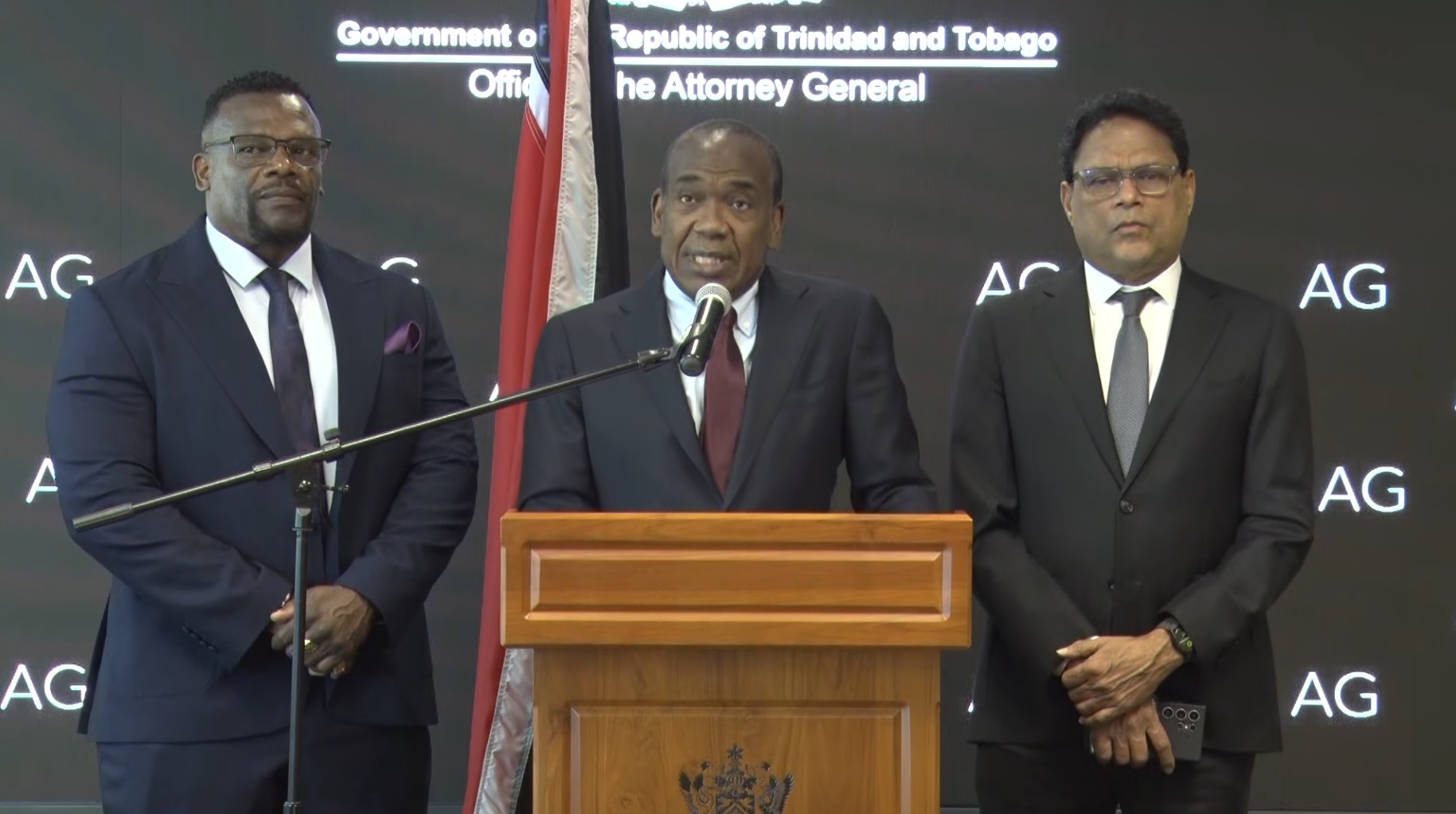
Statement From Trinidad and Tobago Attorney General John Jeremie SC on the State of Emergency
On March 3, 2026, the Government of Trinidad and Tobago reimposed a state of emergency following a resurgence of gang-related violence, including intelligence indicating imminent reprisal killings and coordinated attacks. Acting on the advice of the National Security Council, the Prime Minister invoked constitutional emergency provisions, with the President formally proclaiming the emergency effective immediately. The decision followed an earlier state of emergency (July 2025–January 2026), during which authorities reported significant reductions in crime through intelligence-led operations targeting organized criminal networks.
Officials framed the renewed declaration as a necessary response to escalating threats that exceeded the capacity of ordinary law enforcement tools, emphasizing a “zero tolerance” approach to gang activity and the protection of state institutions. At the same time, the government highlighted both the operational successes of prior emergency measures and the limits of legislative reforms intended to sustain those gains under normal legal conditions.

Myanmar and the Institutionalization of Exception: Governance Five Years After the 2021 Coup - ISSE Analysis
Five years after the 2021 coup, Myanmar presents a critical case for understanding how emergency powers evolve beyond their original justification. What began as a constitutionally framed state of emergency has developed into a durable and contested system of governance, where the line between exceptional and ordinary rule has blurred. Recent efforts to reconvene parliament under military-aligned conditions highlight attempts to restore institutional form while leaving underlying questions of legitimacy unresolved. At the same time, competing claims between the junta and a government-in-exile underscore a deeper fragmentation of sovereignty that international law has yet to reconcile. This analysis examines how emergency authority in Myanmar has moved from temporary invocation to embedded order, reshaping the structure of governance itself.
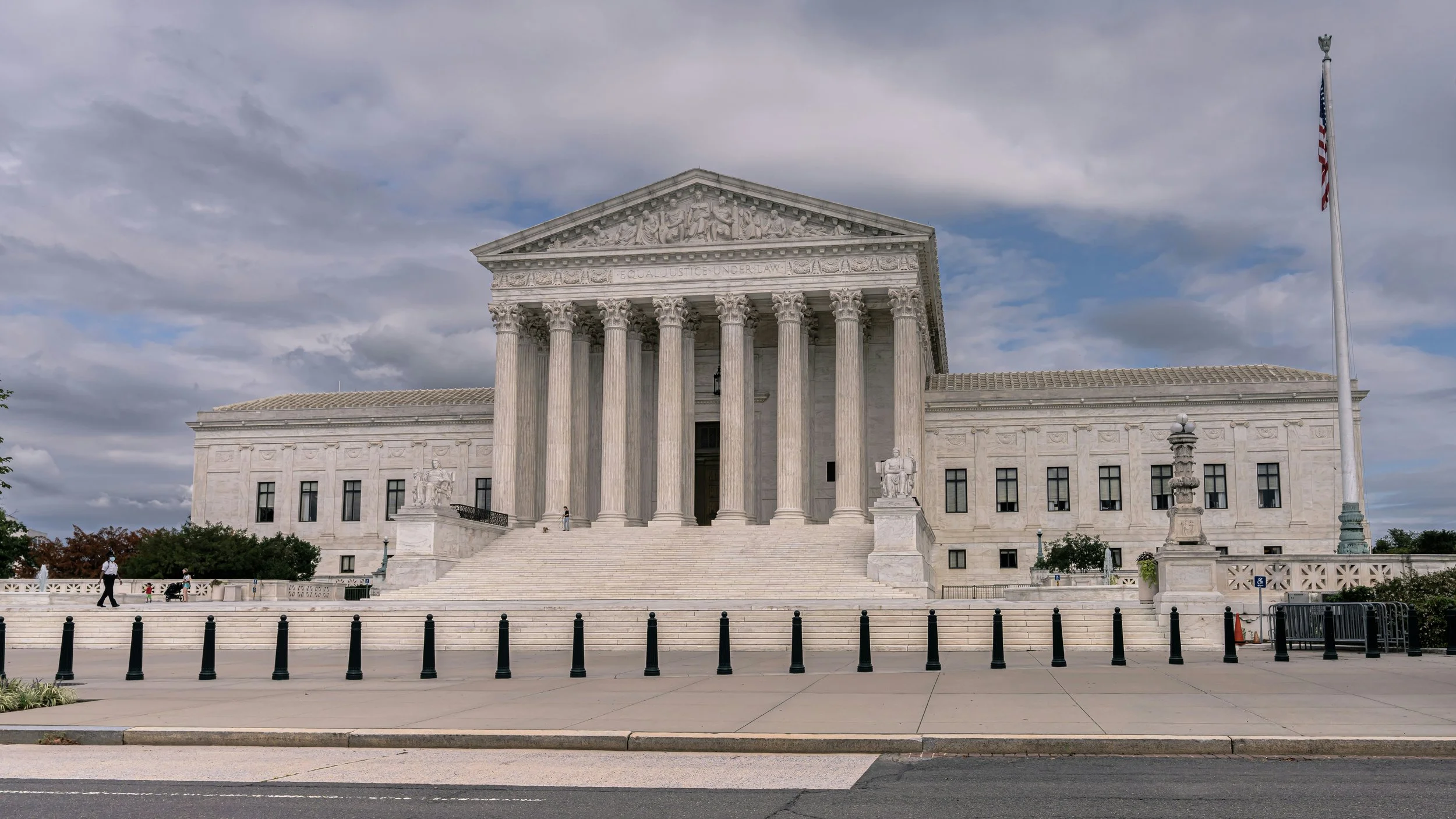
Emergency Tariffs and the Supreme Court: The IEEPA Decision
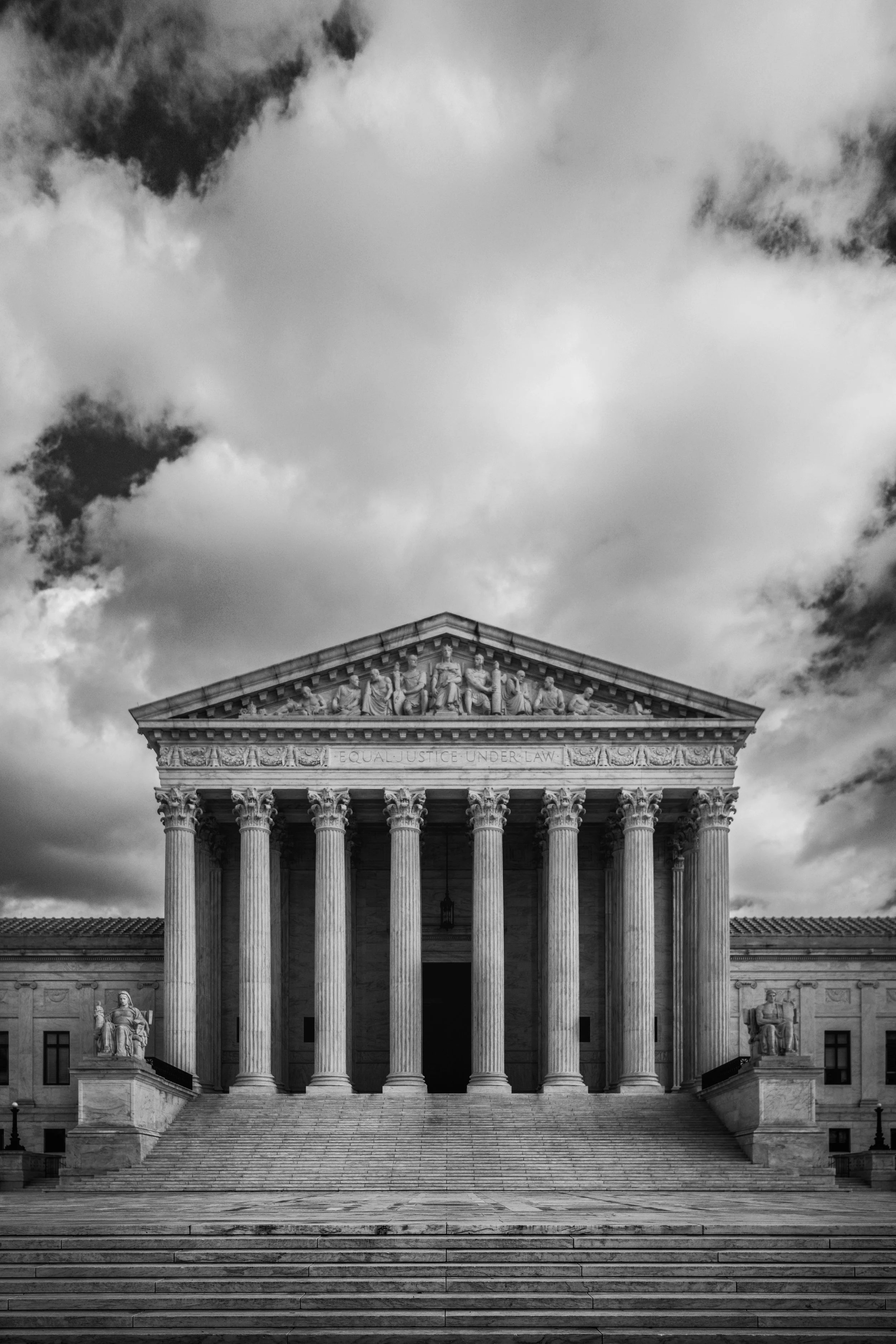
On February 20, 2026, the Supreme Court issued its decision in the consolidated tariffs cases, Learning Resources, Inc. v. Trump and Trump v. V.O.S. Selections, Inc., holding 6–3 that the International Emergency Economic Powers Act (IEEPA) does not authorize the President to impose tariffs. Writing for the majority, Chief Justice Roberts concluded that although IEEPA grants broad authority to regulate economic transactions during declared national emergencies, it does not include the distinct power to levy tariffs or duties — authorities constitutionally assigned to Congress under Article I. The Court further held that the Major Questions Doctrine applies even in the context of emergency statutes addressing foreign affairs, and that Congress must speak clearly if it intends to delegate tariff-setting authority of such vast economic and political significance. Because IEEPA contains no explicit reference to tariffs or duties, the challenged “Liberation Day” and reciprocal tariffs were deemed unlawful.
The IEEPA Decision and the Architecture of Emergency Governance: A Partial Check on Executive Power - ISSE Analysis
The Supreme Court’s decision in Learning Resources, Inc. v. Trump blocks the use of the International Emergency Economic Powers Act to impose tariffs, drawing an important statutory boundary around executive emergency authority. But the ruling turns on textual limits, not on scrutiny of the underlying emergency itself. As a result, while the Court prevented one expansion of presidential power, it left intact the broader architecture through which emergency declarations can accumulate authority over time. The case illustrates a central tension in contemporary governance: judicial intervention may constrain specific statutory overreach, even as the structural normalization of emergency power continues.

Former South Korea President sentenced to life in prison - Jurist News
Former South Korean president Yoon Suk Yeol has been sentenced to life imprisonment after the Seoul Central District Court found him guilty of leading an insurrection stemming from his December 3, 2024 declaration of martial law. The court concluded that his deployment of military and police forces against the National Assembly constituted an unlawful attempt to subvert the constitutional order, citing evidence that troops were ordered to blockade parliament and detain senior political leaders. Prosecutors had sought the death penalty, but the court imposed life imprisonment with hard labor, emphasizing the gravity of the societal and institutional harm caused. Several senior security and defense officials were also convicted and received lengthy prison terms. The ruling marks one of the most consequential judicial responses to executive overreach in South Korea’s democratic history, with additional legislative efforts underway to bar future presidential pardons for insurrection.
Guatemala’s 2026 State of Siege: Crisis, Authority, and the Boundaries of the Ordinary - ISSE Analysis
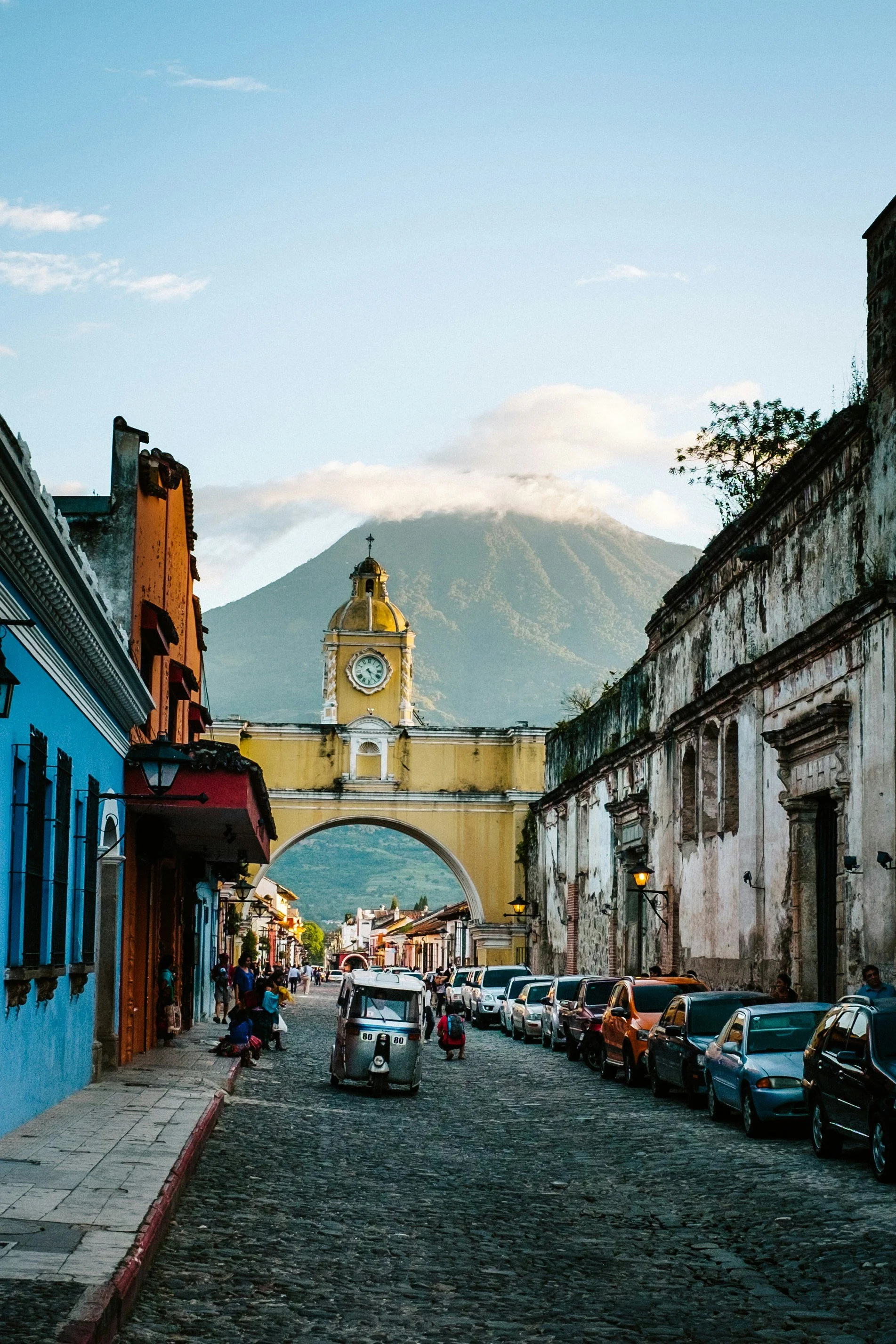
In January 2026, Guatemala invoked a 30-day state of siege after prison riots and coordinated attacks linked to the transnational gang Barrio 18 left 11 police officers dead. Ratified by Congress, the measure temporarily expanded police and military authority and was followed by a nationwide state of prevention once the siege expired. Government officials reported substantial security gains, including arrests, major drug seizures, and reductions in extortion and homicide. This analysis considers the episode through the framework of the state of exception, examining how constitutional democracies authorize extraordinary powers in moments of crisis and how those powers, even when formally time-bound, illuminate the delicate line between safeguarding public order and redefining the contours of ordinary law.

Podcast | Supreme Court Rules Trump’s Tariffs Unlawful Under IEEPA - National Constitution Center
On February 20, the Supreme Court ruled that the International Emergency Economic Powers Act, known as IEEPA, does not authorize President Trump’s sweeping tariffs. In Learning Resources, Inc. v. Trump, and the consolidated case, the Court held that the statute does not grant the President the power to impose tariffs under a declaration of economic emergency. In this podcast episode from the National Constitution Center, we explore what the Court held, why the Justices disagreed about the reasoning, and what this decision might tell us about the future of presidential emergency power. To help us explore these questions are two leading Court watchers and constitutional experts, Zachary Shemtob of SCOTUSblog and Ilya Somin of the George Mason University. Julie Silverbrook, vice president of civic education of the National Constitution Center, moderates.
Former South Korean President Yoon Suk Yeol handed life sentence - but spared death penalty - Channel 4 News
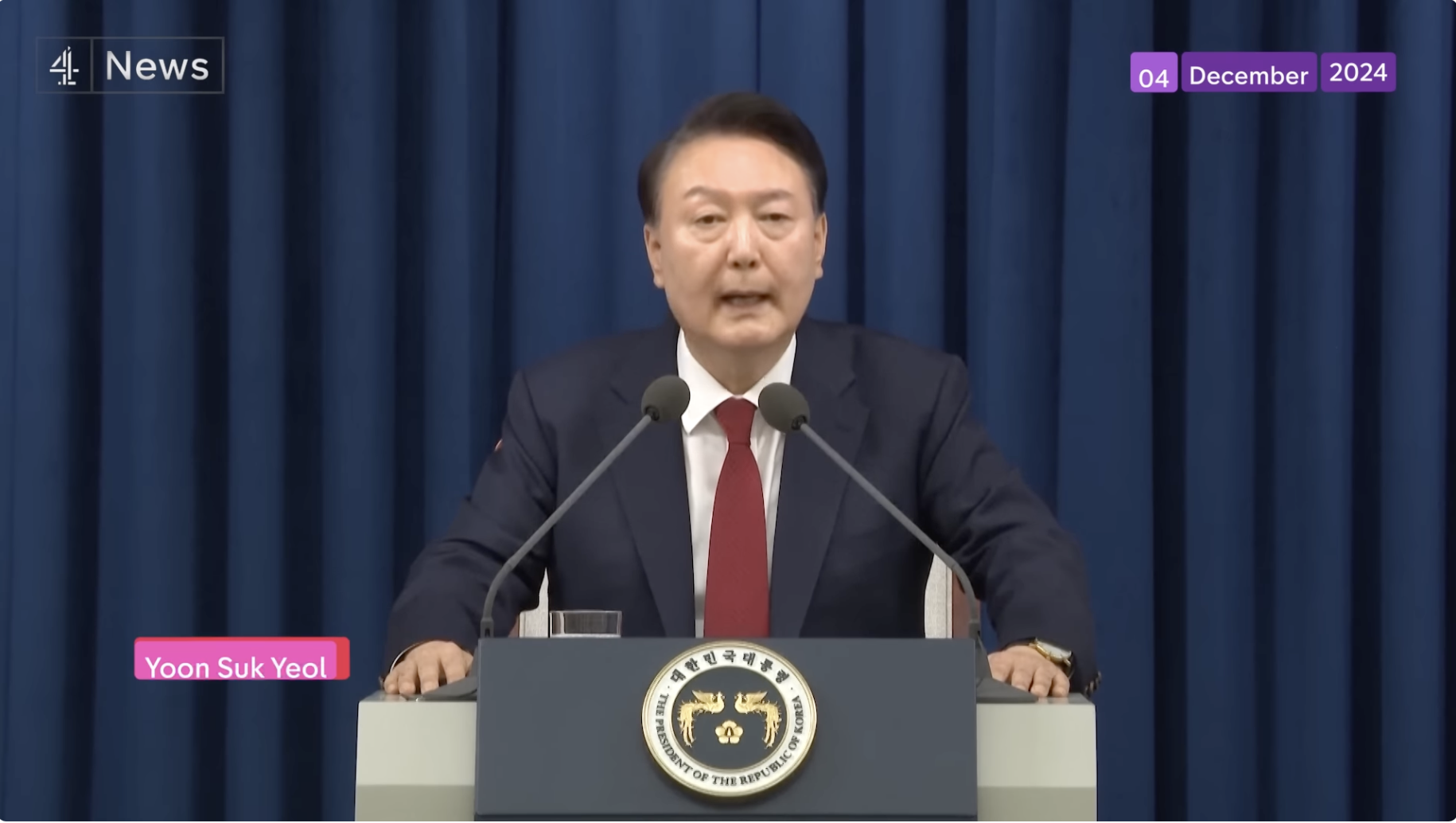
South Korea’s former president, Yoon Suk Yeol, has been sentenced to life imprisonment after a failed six-hour declaration of martial law in December 2024 led to his conviction for insurrection. Although martial law is constitutionally permitted under certain emergency conditions, the move was widely seen as an extreme response to domestic political pressures and triggered deep national polarization. His arrest, prosecution, and sentencing nevertheless unfolded through established legal processes, demonstrating the resilience of South Korea’s democratic institutions. The episode offers a stark case study in how emergency powers can be invoked, contested, and ultimately constrained within a constitutional system.
ISSE Explainer: The 2026 U.S. National Emergency Declaration on Cuba
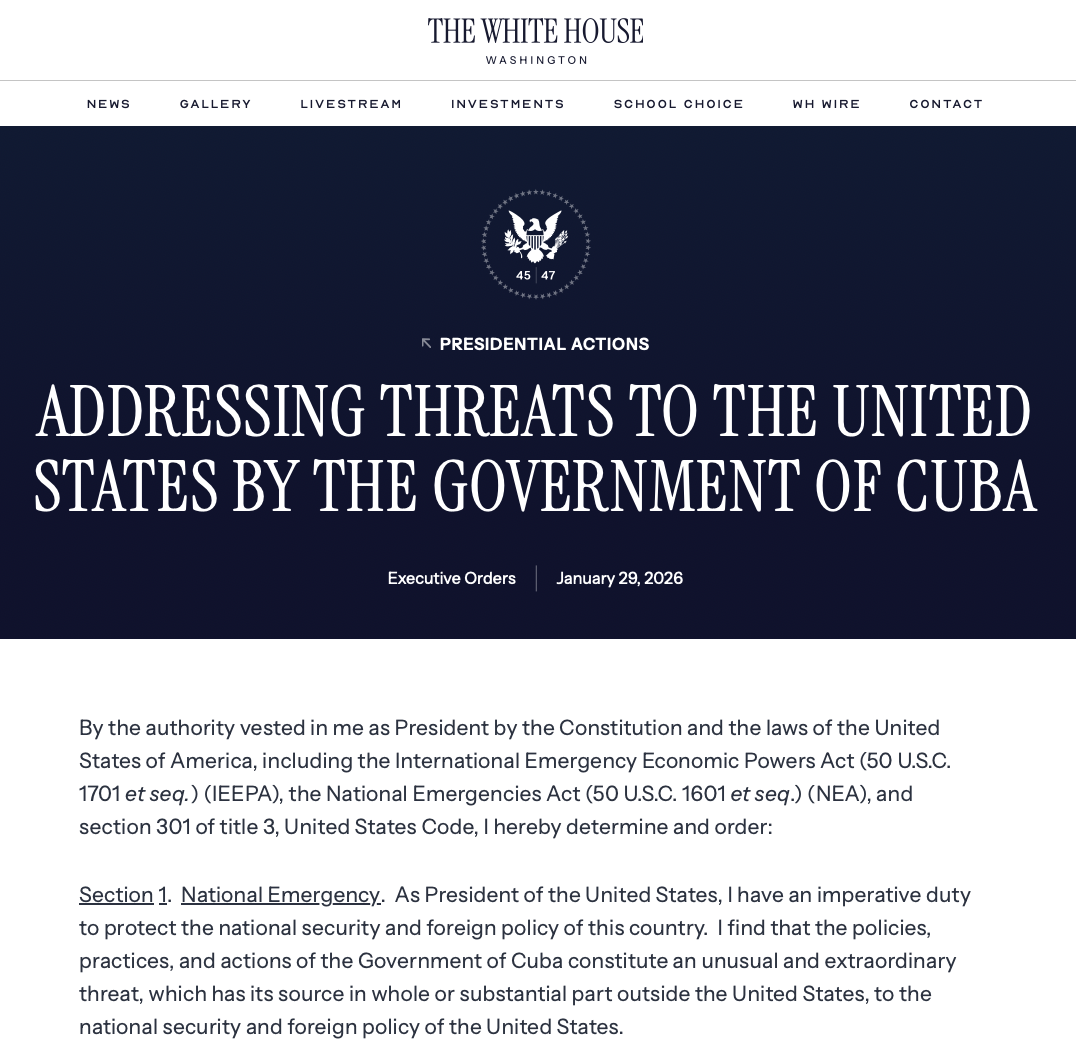
On January 29, 2026, U.S. President Donald J. Trump signed an Executive Order titled “Addressing Threats to the United States by the Government of Cuba,” declaring that the current geopolitical dynamics involving Cuba constitute an “unusual and extraordinary threat” to U.S. national security and foreign policy, and as such further constitute a formal national emergency under the National Emergencies Act (NEA) and the International Emergency Economic Powers Act (IEEPA).
This explainer situates the declaration within the broader framework of U.S. emergency powers, outlining the legal authorities invoked and the mechanisms through which the order is intended to be implemented. ISSE’s analysis focuses on clarifying how this emergency functions in practice, what it enables as a matter of law, and why its invocation matters in the context of the growing normalization of emergency authorities in U.S. governance. The piece is intended to provide readers with a clear, accessible account of the declaration itself and its immediate implications, rather than a normative assessment of U.S.-Cuba policy.
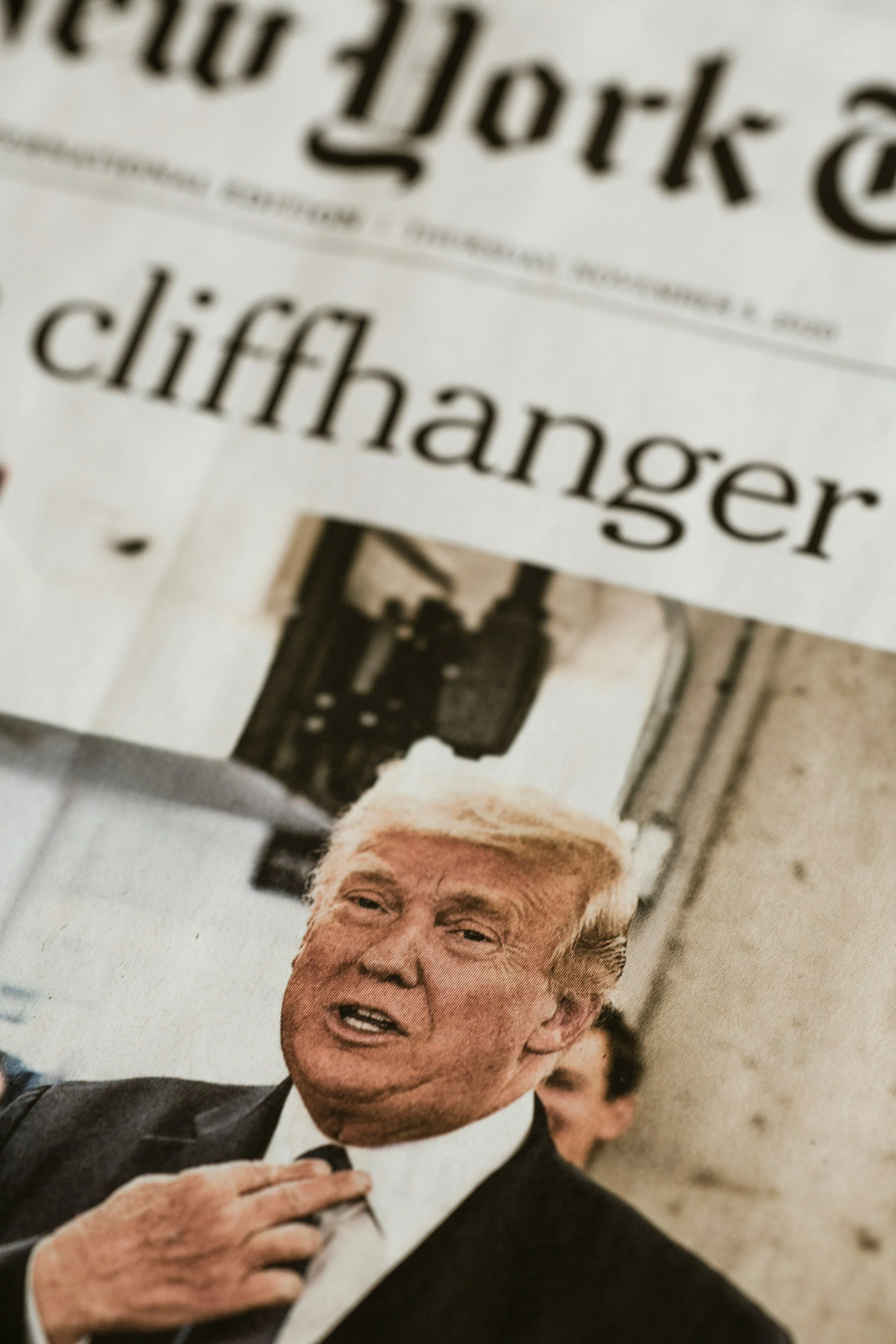
2025: Trump’s year of ’emergency’, ‘invasion’ and ‘narcoterrorism’ - Al Jazeera
For United States President Donald Trump, 2025 was a year of crisis.
Roaring into office on January 20 on the heels of a raucous political comeback, the president’s own telling describes a series of actions that have been swift and stark.
To name a few, he has envisioned rooting out a migrant “invasion” that includes staunching legal immigrants, and, potentially, targeting US citizens; he has touted a hard reset of uneven trade deals that pose “an unusual and extraordinary threat to the national security”; and, in the final months of the year, he has gone on the military offensive against “narcoterrorists” that he claims seek to topple the US through illicit drugs, possibly used as “weapons of mass destruction”.
For legal observers, Trump’s approach has been a yet-undecided stress test on presidential power, cranked by the gears of broadly interpreted emergency statutes and untrammeled executive authority.
Decisions by the court, lawmakers and voters in the 2026 midterm elections could determine how that strategy resonates or is restrained.
“The use or abuse of emergency powers is only one corner of a larger picture,” Frank Bowman, professor emeritus of law at the University of Missouri, told Al Jazeera.
“In many cases, the administration is simply doing stuff that certainly any pre-existing understandings of executive authority would have said you cannot do,” he said.
Judicial Limits on Exceptional Executive Power: Two Recent U.S. Court Decisions
While public attention has recently focused on events in Venezuela and the ICE killing of Renee Good in Minneapolis, two court decisions issued shortly before Christmas (one by a federal district court and one by the Supreme Court) warrant closer scrutiny. In each case, the judiciary imposed at least temporary limits on the current administration’s assertion of extraordinary executive authority. Although neither arose from a formally declared state of emergency, both reflect an expansive conception of presidential power in which certain actions are treated as categorically insulated from judicial review.
In this respect, the cases illustrate how exceptional power may be exercised without explicit invocation of emergency authorities, not by suspending the law temporarily, but by asserting that entire domains of executive action lie beyond ordinary legal constraint. This mode of governance closely aligns with the most maximalist contours of unitary executive theory and functions as a de facto state of exception embedded within constitutional interpretation itself.
ISSE Statement on the U.S. Capture of Nicolás Maduro
The U.S. capture of Venezuelan President Nicolás Maduro represents a striking assertion of state power beyond established international norms. Seizing a foreign leader by military force, whether that leader’s legitimacy is disputed or not, without international authorization or lawful justification undermines the basic rules designed to restrain conflict and protect sovereignty, including those set out in the United Nations Charter. Such actions do not occur in isolation; they reflect a broader pattern in which governments increasingly treat legal constraints as optional when exercising power. ISSE examines this episode as an example of how the normalization of exceptional measures erodes accountability and weakens the legal guardrails that underpin both international order and democratic governance.
El Salvador’s State of Exception - “Inside CECOT”
In late December 2025, renewed media attention turned to Centro de Confinamiento del Terrorism (CECOT), El Salvador’s flagship mega-prison, after CBS news executives postponed a 60 Minutes broadcast of an investigative report about the facility, called “Inside CECOT.” While the media controversy itself is newsworthy, the importance of the investigative report highlights another important reality: CECOT is not an anomaly or a temporary security measure, but a central institution of a state of exception that has now governed El Salvador for nearly four uninterrupted years. On December 22, 2025, American journalist Yashar Ali claimed to have obtained a video portion of the postponed investigative report, and published it on his Substack “The Reset.” Ali’s Substack, and the included video portion alleged to be part of the postponed 60 Minutes segment, is included here by ISSE for research and informational purposes only.

Lithuania’s Parliament Declares a State of Emergency Amid Hybrid Threat Concerns
In December 2025, Lithuania declared a state of emergency following repeated airspace incursions by unmanned balloons launched from neighboring Belarus, which authorities described as part of a broader hybrid threat affecting public safety and border security. Notably, the emergency was declared not by executive decree but by Lithuania’s parliament, the Seimas, acting under clear constitutional authority. The declaration is strictly time-limited, subject to legislative oversight, and embedded within ordinary constitutional procedures rather than suspended from them. As democracies increasingly invoke emergency powers in response to unconventional security challenges, Lithuania’s approach offers a contemporary example of how states can confront perceived threats while preserving parliamentary control and guarding against the normalization of exceptional measures.
The War on “Drug Boats”: How Lethal Maritime Strikes Push the Boundaries of International Law - Global Policy Journal
Neither the declaration of war nor the use of emergency powers suspends fundamental human rights and humanitarian norms. Even in war, the principle of distinction under international humanitarian law, notably the Geneva Conventions, protects civilians. A drug boat, however illicit its cargo, is not a military target. Those on board remain civilians especially if there is no clear way of identifying them as combatants – or in this case, suspected gang members. From a human rights perspective, the International Covenant on Civil and Political Rights is equally clear. The right to life, protected under international law, cannot be suspended even under a declared national security emergency. Emergencies do not justify taking a life on the mere assumption of criminality. This is both arbitrary and unlawful. The same applies to due process. Every individual has the right to a fair trial before being deprived of his liberty, and even more so, his life. Drug trafficking is not a capital crime that would warrant a death sentence, and even if it were, punishment still requires trial and conviction. The bombings, therefore, would be extrajudicial punishment.
Creating Zones of Lawlessness: Trump, Venezuela, and the Piecemeal Construction of an Authoritarian State - Western States Legal Foundation
The United States Government has deployed a large military task force to the waters in the Caribbean Sea, while making a variety of threats against the government of Venezuela and against drug traffickers it alleges are operating in that country and elsewhere. It is also conducting a campaign of killings against alleged drug traffickers, using drones and aircraft to attack and destroy small boats without warning far from U.S. shores, in almost every instance leaving no survivors.
The first part of this essay describes the Trump administration’s threats of military force against Venezuela and its killings of alleged drug traffickers in small boats in the Caribbean, providing an analysis of relevant law. The concluding section, “States of Emergency: The Wars Abroad and the Wars at Home,” examines how the administration has combined narratives about the drug trade, terrorism, and immigration to assemble a legal and ideological toolbox for the construction of an authoritarian state.

What’s at Stake in the Supreme Court Tariffs Case - Brennan Center for Justice
On November 5, the Supreme Court heard oral argument in a case testing the limits of presidential emergency powers. At issue is whether a president may use the International Emergency Economic Powers Act (IEEPA) to impose sweeping tariffs on imports from countries around the world.
The stakes of this case reach far beyond trade policy. The Court’s decision could shape whether the use of emergency powers to bypass Congress becomes a tool of routine governance, with profound implications for the constitutional separation of powers and limits on presidential authority.
The case arose after President Trump declared three national emergencies to impose tariffs on Canada, Mexico, and China, followed by a fourth national emergency to impose a 10 percent global tariff plus “reciprocal” tariffs of up to 50 percent on selected countries and corporations. He justified each of these measures as a response to an “unusual and extraordinary threat” to U.S. national security, foreign policy, and/or the economy.
A number of corporations and states responded by filing suit in federal court. The Brennan Center has filed friend-of-the-court briefs in several of these cases, arguing that longstanding trade imbalances do not constitute an emergency or an “unusual and extraordinary threat” and that IEEPA does not authorize the president to impose tariffs. The Court will now determine whether the statute gives presidents a “tariff pen” that can bypass Congress entirely.