

All Content
Welcome to the Institute for the Study of States of Exception (ISSE) main content page, a single source for all posts from the Institute, including commentary on global events, book reviews, academic literature, links to our podcasts, and additional resources. Check back regularly for more content from us.
“Sovereign is he who decides the exception.”
— Carl Schmitt (Political Theology: Four Chapters on the Concept of Sovereignty, 1922)

The rise and fall of South Korea’s Yoon Suk-yeol
South Korea’s Constitutional Court formally removed President Yoon Suk-yeol from office on April 4, 2025, ending a political deadlock that had gripped the country. The ruling also caps Yoon’s rapid rise from the prosecutor’s office to the presidency after he was elected in 2021 by the smallest margin in South Korean history. Yoon’s tenure as president was rocked by scandals and protests ahead of his failed declaration of martial law, a move that triggered his impeachment and eventual downfall.

Unprecedented use of “emergency” power - Brennan Center for Justice
Not even a year into his second term, President Trump has (as of 11 August 2025) declared 11 national emergencies, exceeding every president’s single-term total except for his own previous record of 13 national emergency declarations.
An embedded chart in this report depicts National emergencies declared annually by U.S. Presidents, from 1979 to 2025 (as of 11 August 2025)…

Ecuador’s Security Challenges and the Government’s Response
In January 2024, following a series of dramatic public security incidents, including the escape from prison of Adolfo Macias (“Fito”), the leader of the violent Ecuadoran gang Los Choneros, and the takeover of an Ecuadoran television station during a live broadcast, the newly elected government of Daniel Noboa declared a “state of internal warfare” in the country. Through Presidential Decree 111, he designated 22 violent criminal entities operating in the country as “terrorist organizations” and authorized the employment of the Armed Forces in a broad range of security operations from supporting the control of the nation’s interior and borders, to deployment in prisons, to operations against illegal mining…

Erdoğan’s presidential regime and strategic legalism: Turkish democracy in the twilight zone
President Erdoğan and the AKP government initiated a comprehensive restoration process immediately after the failed coup in mid-July 2016. In fact, the country has been experiencing a very comprehensive and violent regime transformation since this time. I assert that recent political developments paved the way for institutionalization of a ‘plebiscitary presidential regime’ that depends on a particular combination of supreme power of the leader, an extremely weak parliament, and elections of a plebiscitary character. In this context, the paper aims to shed light on the role of the new strategic legalism which allows rule of law to be replaced by a rule by law approach, the executive prerogative principle to be dominant, and the law to be used for demobilization, all playing a highly critical role in the suppression of democratic opposition…
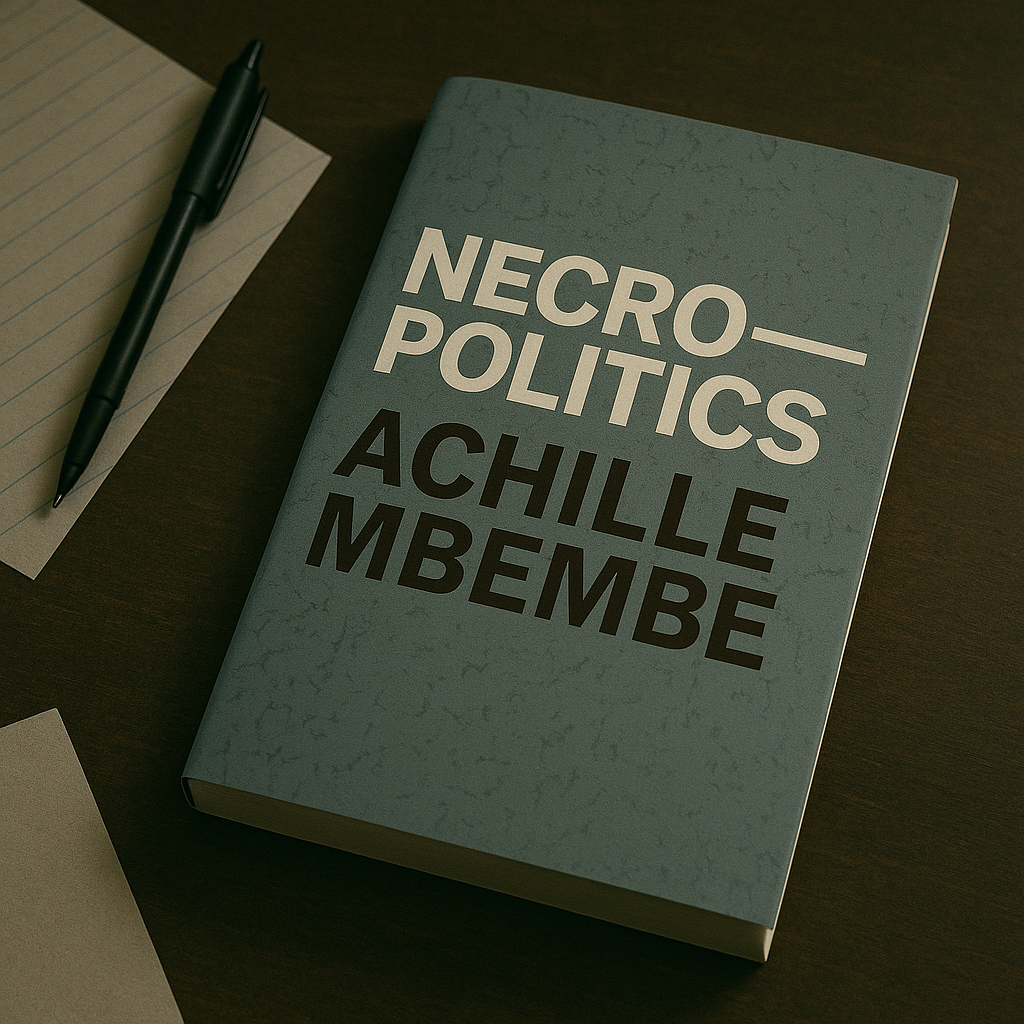
Necropolitics
In Necropolitics (2019), Achille Mbembe, expanding upon a 2003 essay of the same name, offers a profound reconceptualization of sovereign power that significantly advances our understanding of states of exception. Building upon Michel Foucault's biopolitics, Mbembe introduces "necropolitics"—the politics of death whereby sovereign power, deeply entrenched in colonial and racial hierarchies, dictates who may live and who must die. What distinguishes Mbembe's intervention is his insistence that states of exception have evolved beyond temporary suspensions of normal legal order (as theorized by Carl Schmitt and Giorgio Agamben) into permanent techniques of governance, particularly for subjugated populations…

Administrative Law as a Mockery of the Constitutional Controls of State of Exception: Colombia, Covid-19 and Obligatory Preventive Lockdown
The objective of this article is to demonstrate how Colombia's mandatory preventive lock-down decrees during Covid-19 bypassed the constitutional controls designed to regulate states of exception. This situation resulted in a violation of the fundamental right to free movement. The methodology used in this study begins with an examination of the mandatory preventive lockdown decrees. It then continues with an analysis of the legal foundations on which these decrees were based to justify exceptional orders. Finally, the article reviews the jurisprudence of the Constitutional Court of Colombia and the Consejo de Estado, focusing on the reasons both courts were unable to exercise control over these decrees. The conclusion is that these decrees circumvented automatic constitutional controls, and any legal challenge against them proved ineffective due to procedural delays.…

Emergency Provisions and Constitutional Safeguards in India, from the book Contours of Contemporary Legal Research: A Multidisciplinary Perspective: Volume 1: Foundations and Frontiers of Public Law
Emergency provisions in the Indian Constitution establish a framework that allows the government to respond to crises threatening the sovereignty, integrity, security, or the constitutional machinery of the nation. This framework, articulated in Part XVIII of the Constitution, is categorized into three types: National Emergency, State Emergency (President's Rule), and Financial Emergency. Each type has its own specific criteria and implications for the political and civil rights of citizens. The safeguards embedded in these provisions aim to ensure that the use of emergency powers is not arbitrary, protecting democracy from potential misuse. This paper examines the historical context, rationale, and implications of these provisions, alongside the constitutional safeguards designed to prevent abuse of power…

El Salvador opens path for Nayib Bukele to stay in power indefinitely
Per reporting from the Associated Press, on 31 July 2025, El Salvador's Legislative Assembly pushed through a constitutional reform overnight eliminating presidential term limits, fueling concerns that it paves the way for President Nayib Bukele to indefinitely stay in power…

Homo Sacer
Giorgio Agamben’s Homo Sacer: Sovereign Power and Bare Life (1995) stands as a watershed text in political philosophy, offering an incisive analysis of how states of exception can threaten democratic governance. Building on Carl Schmitt's provocative claim that "the sovereign is he who decides on the exception," Agamben uncovers the troubling paradox at the heart of modern political systems: that the legal order in fact depends on the power to suspend itself…
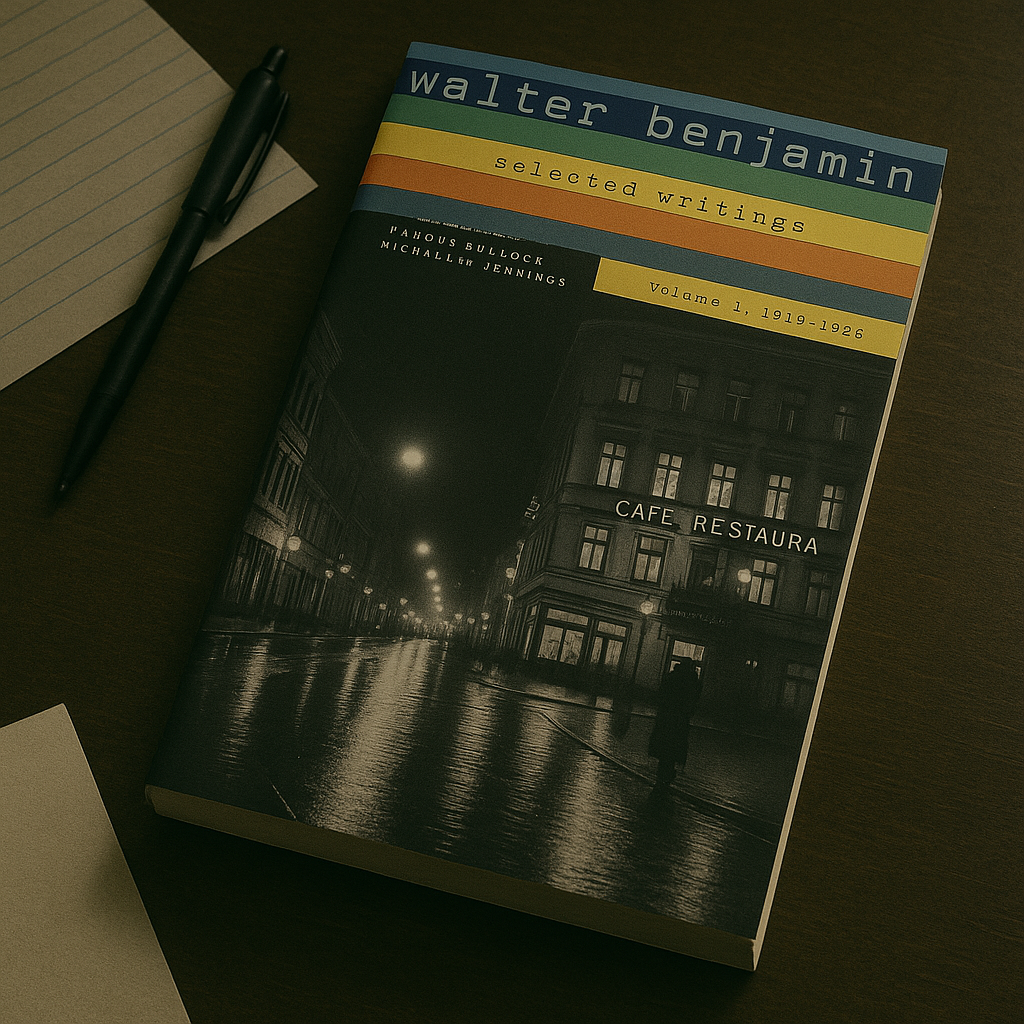
Critique of Violence
Walter Benjamin’s 1921 essay Critique of Violence offers a profound philosophical investigation that has become foundational to understanding the complex relationships between law, violence, and sovereign power. The essay's significance to studies of states of exception lies in Benjamin's careful dissection of violence's role in legal frameworks—not as aberrations, but as structural features of political systems themselves…

Donald Trump keeps declaring national emergencies. Why?
The Vox article, “Donald Trump keeps declaring national emergencies. Why?” published on May 18, 2025, examines President Trump’s unprecedented use of national emergency declarations during the first 100 days of his second term. As of this writing, he has declared eight national emergencies across various domains, including the southern border, energy, trade, drug trafficking, and the International Criminal Court. These declarations grant him access to special powers outlined in over 150 legal provisions, enabling actions beyond or against congressional authorization. The article features insights from Elizabeth Goitein of the Brennan Center for Justice, who discusses the history and potential for misuse of these powers, especially given the limited checks on presidential authority following a 1983 Supreme Court ruling that removed Congress’s ability to veto emergency declarations…

Is the "State of Exception" the New Normal? Giorgio Agamben
This video from Philosopheasy explores Giorgio Agamben's philosophy on the "state of exception," where emergency powers become a norm, allowing governments to suspend laws and exert control, as seen in situations like the war on terror and the COVID-19 pandemic.
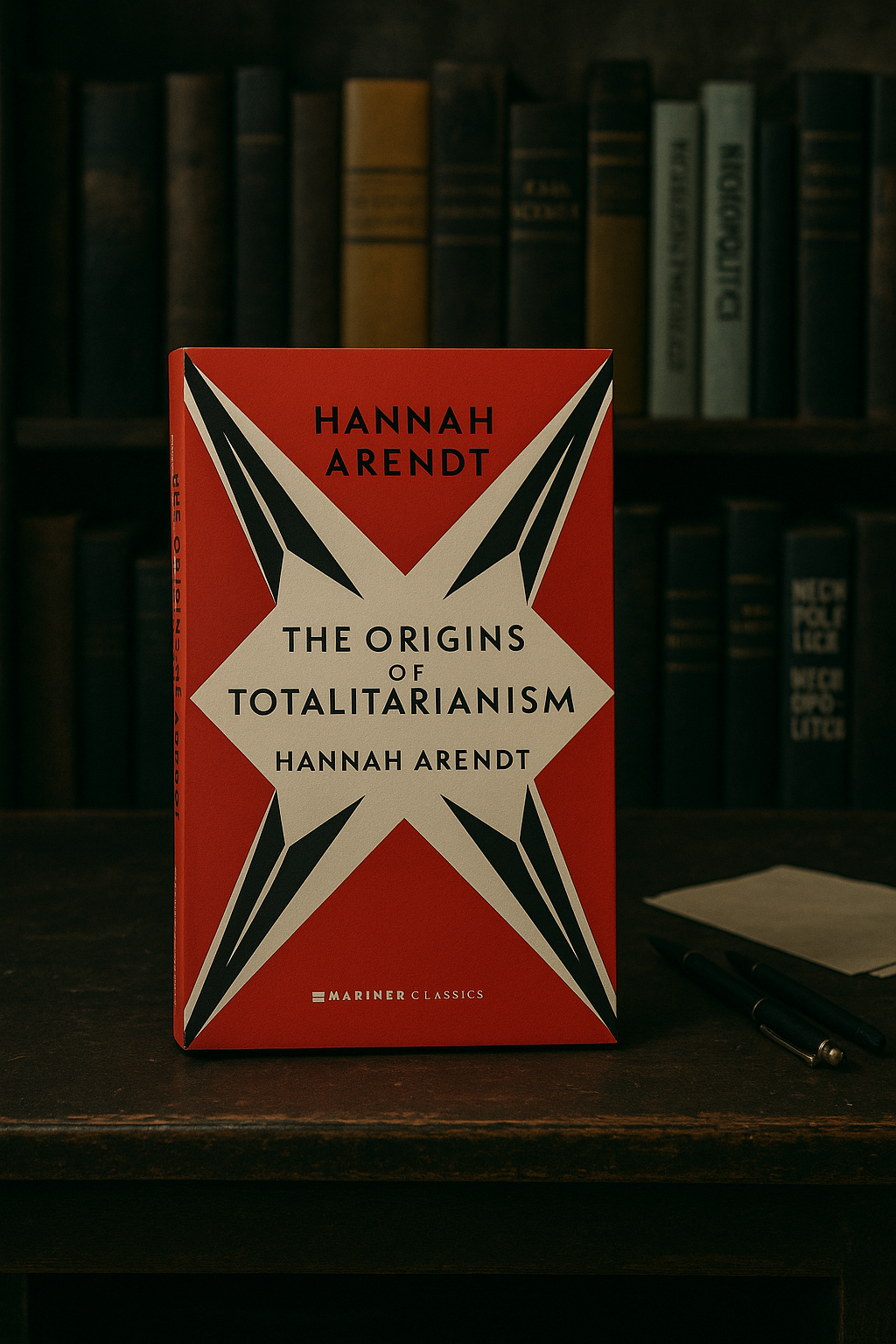
Origins of Totalitarianism
Hannah Arendt’s The Origins of Totalitarianism (1951) stands as a foundational text for understanding how democratic societies can transform into totalitarian regimes. While Arendt doesn't explicitly employ the term state of exception her work foreshadows the concept, detailing how the seemingly temporary suspension of legal protections during crises can become a permanent feature of authoritarian rule. Her work meticulously traces how factors such as European colonialism, antisemitism, and the manipulative use of ideological propaganda facilitated unprecedented concentrations of executive power in Nazi Germany and Stalinist Russia…

El Salvador’s Prolonged State of Emergency
According to a 2024 academic analysis published by the Columbia Undergraduate Law Review, El Salvador has continuously extended its state of emergency since March 27, 2022. , using vague constitutional language that allows indefinite suspension of civil liberties. The Salvadoran constitution permits 30-day emergency declarations but includes a loophole allowing renewal if “circumstances continue.” Despite a reported 70% drop in homicides by 2023, the emergency remains in place, now reauthorized more than two dozen times. Under this regime, over two percent of the adult population has been incarcerated, with numerous reports of arbitrary detention, denial of due process, and alleged torture in state custody. The article contrasts El Salvador’s system with South Africa’s constitutional framework, offering it as one model for more accountable governance that integrates checks on emergency power…
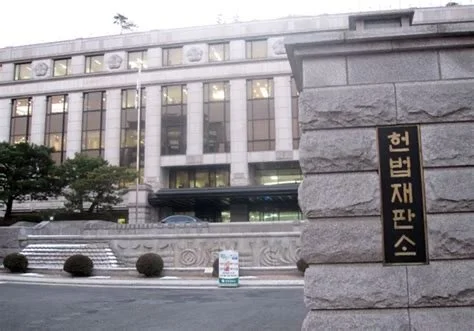
South Korean Constitutional Court rules December 2024 Martial Law order improper
According to The Guardian, on April 4, 2025, South Korea’s President Yoon Suk Yeol was removed from office following a unanimous Constitutional Court decision. The court ruled that Yoon’s December martial law order constituted a “grave betrayal of the trust of the people” and violated the proper exercise of emergency powers. As a result, interim leader Han Duck-soo has been appointed to govern until a new president is elected within 60 days. In a brief statement, President Yoon apologized and acknowledged the court’s decision. The 111-day impeachment process, set against rising concerns for the country’s democratic future, culminated in this decisive action. Additionally, the report notes that Yoon may face a separate criminal trial related to charges of insurrection. South Korea’s conservative party stated that it “solemnly accepts” the outcome, while opposition leaders hailed the ruling as a victory for democracy…