

All Content
Welcome to the Institute for the Study of States of Exception (ISSE) main content page, a single source for all posts from the Institute, including commentary on global events, book reviews, academic literature, links to our podcasts, and additional resources. Check back regularly for more content from us.
“Sovereign is he who decides the exception.”
— Carl Schmitt (Political Theology: Four Chapters on the Concept of Sovereignty, 1922)
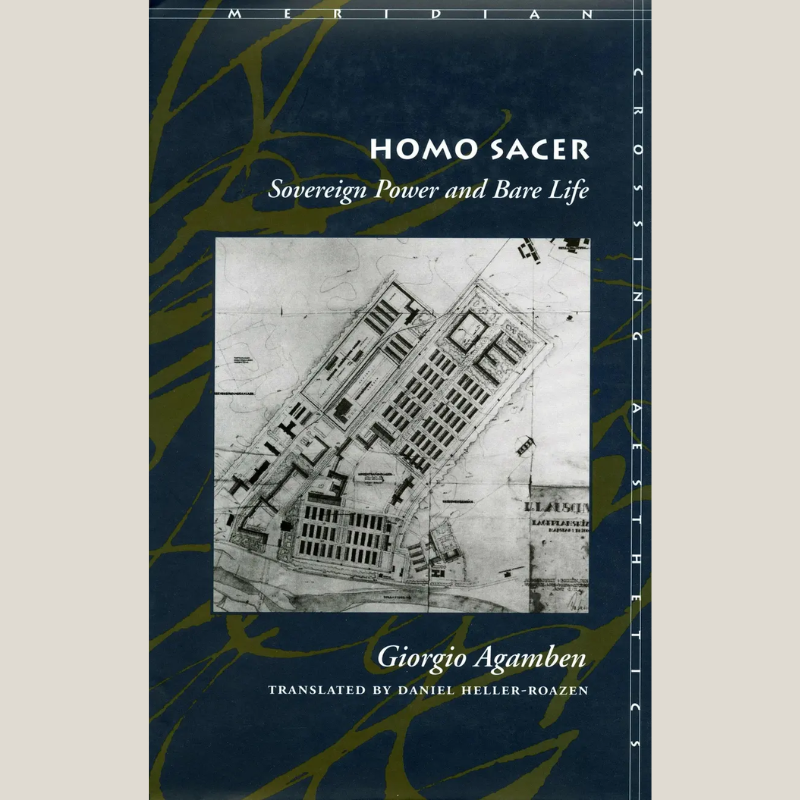
Homo Sacer
Giorgio Agamben’s Homo Sacer: Sovereign Power and Bare Life (1995) stands as a watershed text in political philosophy, offering an incisive analysis of how states of exception can threaten democratic governance. Building on Carl Schmitt's provocative claim that "the sovereign is he who decides on the exception," Agamben uncovers the troubling paradox at the heart of modern political systems: that the legal order in fact depends on the power to suspend itself…
Critique of Violence
Walter Benjamin’s 1921 essay Critique of Violence offers a profound philosophical investigation that has become foundational to understanding the complex relationships between law, violence, and sovereign power. The essay's significance to studies of states of exception lies in Benjamin's careful dissection of violence's role in legal frameworks—not as aberrations, but as structural features of political systems themselves…
Origins of Totalitarianism
Hannah Arendt’s The Origins of Totalitarianism (1951) stands as a foundational text for understanding how democratic societies can transform into totalitarian regimes. While Arendt doesn't explicitly employ the term state of exception her work foreshadows the concept, detailing how the seemingly temporary suspension of legal protections during crises can become a permanent feature of authoritarian rule. Her work meticulously traces how factors such as European colonialism, antisemitism, and the manipulative use of ideological propaganda facilitated unprecedented concentrations of executive power in Nazi Germany and Stalinist Russia…