

All Content
Welcome to the Institute for the Study of States of Exception (ISSE) main content page, a single source for all posts from the Institute, including commentary on global events, book reviews, academic literature, links to our podcasts, and additional resources. Check back regularly for more content from us.
“Sovereign is he who decides the exception.”
— Carl Schmitt (Political Theology: Four Chapters on the Concept of Sovereignty, 1922)

Trinidad and Tobago Ends Prolonged State of Emergency While Pursuing Permanent Security Legislation
Trinidad and Tobago has ended a prolonged state of emergency after nearly two years of extraordinary security powers while proposing permanent legislation to replace aspects of the emergency framework. The case highlights an important question in emergency governance: whether temporary exceptional measures truly end, or instead become embedded within ordinary legal institutions.
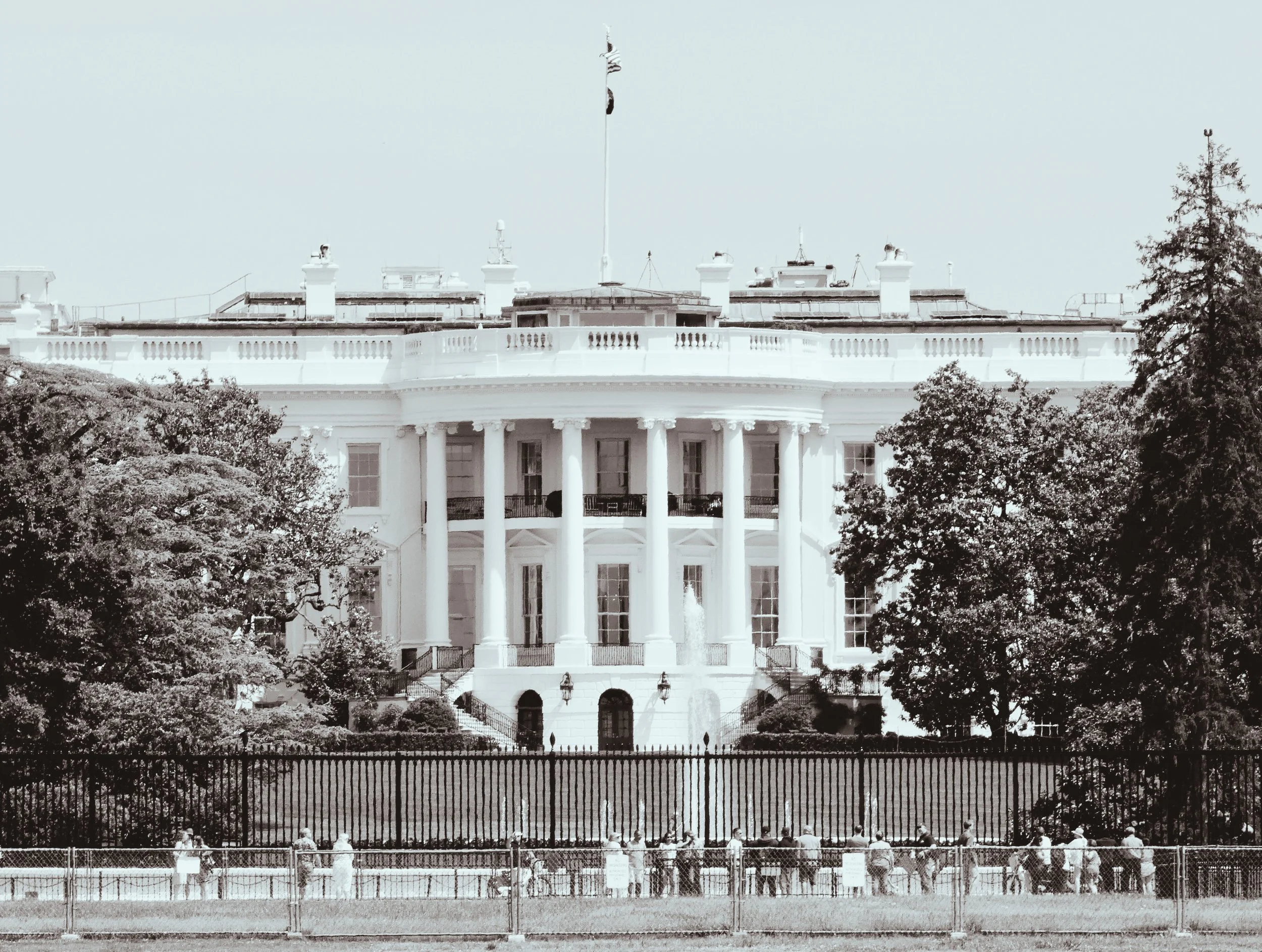
United States Declares National Emergency to Secure the Bulk-Power System
On August 26, 2026, President Trump declared a national emergency under the National Emergencies Act and the International Emergency Economic Powers Act (IEEPA) to address perceived national security risks associated with foreign-produced equipment used in the U.S. bulk-power system. Our article examines how the declaration expands executive authority over critical infrastructure and illustrates the growing use of emergency powers to address supply chain security and strategic technological vulnerabilities.

Delhi Renews Preventive Detention Authority Under India's National Security Act
As of July 7, 2026, Indian authorities have renewed the delegation of preventive detention powers under the National Security Act, allowing designated officials to order detention without ordinary criminal charges during a period of heightened political sensitivity following nationwide protests. The case illustrates how extraordinary executive powers can be exercised through standing statutory authorities rather than formally declared constitutional emergencies, highlighting an increasingly important form of embedded exceptionality within ordinary governance.
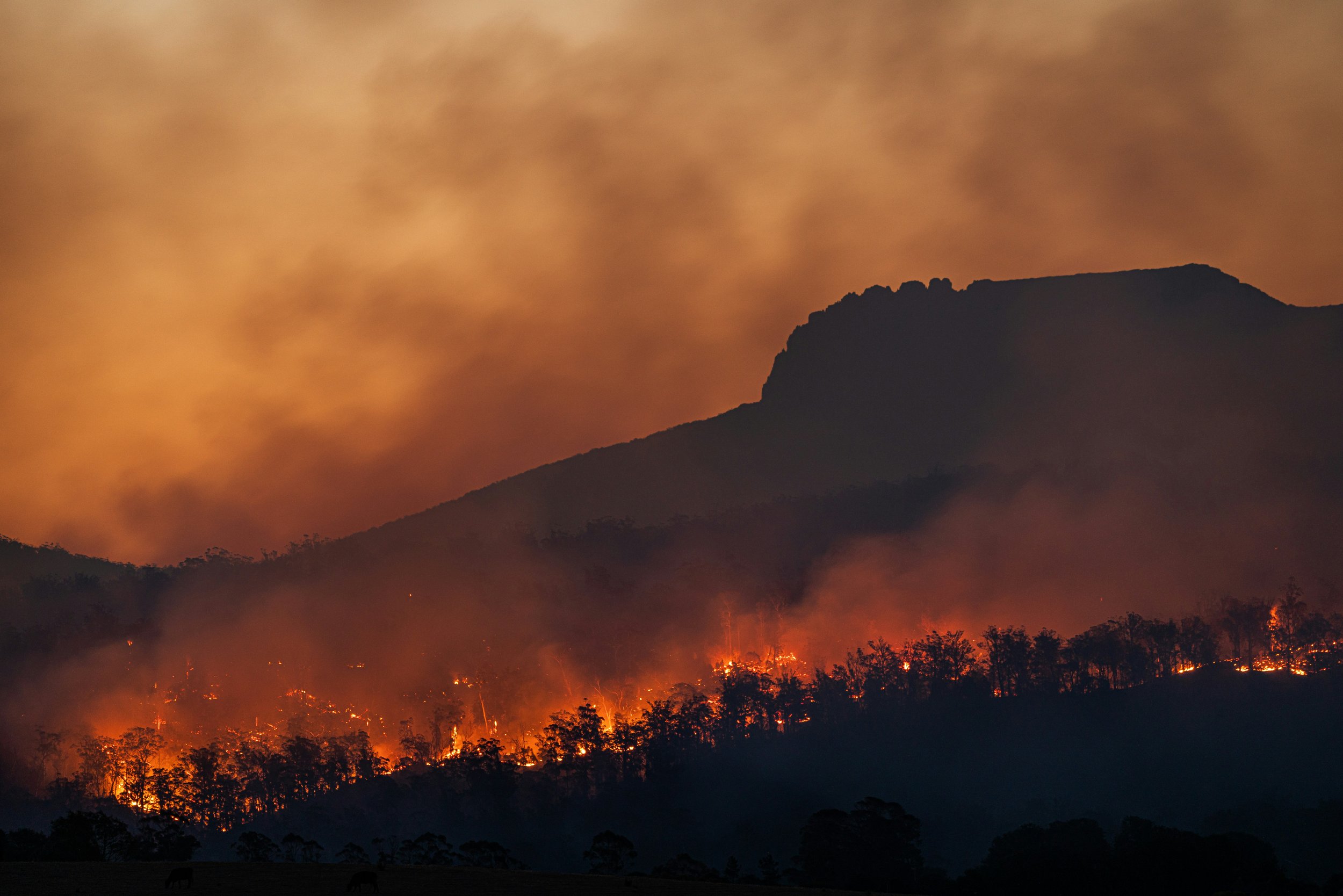
Spain Activates National Civil Protection Emergency for Major Wildfires
On July 23, 2026, Spain activated an Emergency of National Interest for the first time in response to a wildfire crisis, temporarily centralizing national coordination of disaster response as fires spread across multiple autonomous communities during an intense heat wave. The declaration illustrates how democratic governments can reallocate operational authority through existing statutory emergency frameworks while leaving the constitutional order and ordinary civil liberties intact, highlighting an increasingly important model of emergency governance in an era of climate-driven disasters.
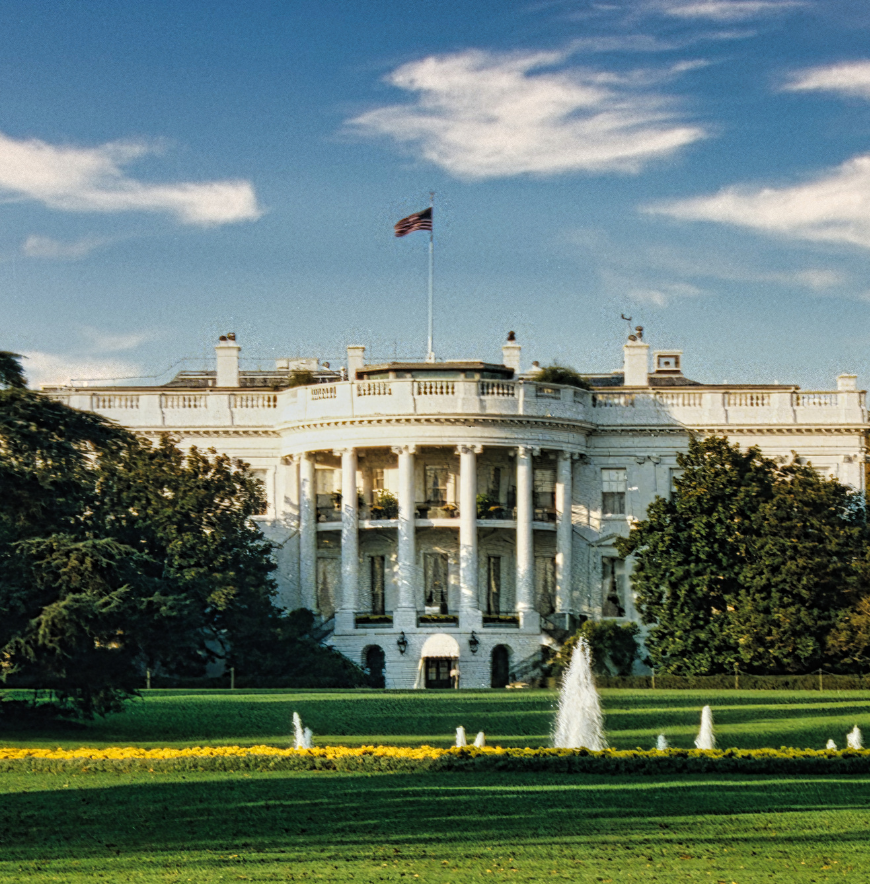
United States Invokes Tariff Act Emergency Authority to Facilitate Moroccan Phosphate Fertilizer Imports
On June 29, 2026, President Trump invoked a little-known emergency authority under the Tariff Act of 1930 to temporarily suspend certain trade remedies on phosphate fertilizer imports from Morocco in response to global supply disruptions affecting American agriculture. ISSE examines this rarely used statutory emergency mechanism and explains how it differs from broader national emergency declarations, illustrating the growing role of sector-specific emergency powers in addressing supply chain and economic crises.
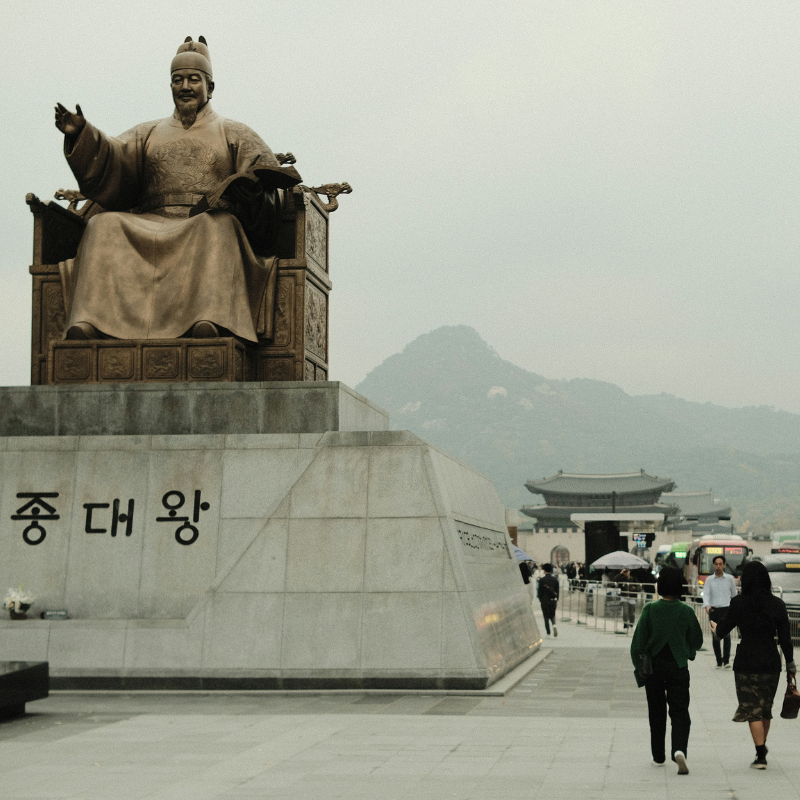
South Korea Sentences Former Justice Minister for 25 Years, Continuing Accountability Effort Following Failed December 2024 Martial Law Declaration
Former Justice Minister Park Sung-jae was sentenced to 25 years in prison for his role in former President Yoon Suk Yeol’s failed December 2024 martial law declaration, marking another significant step in South Korea’s effort to hold senior officials accountable for the misuse of emergency powers. The case highlights how constitutional democracies can use judicial processes to reinforce democratic accountability, restore constitutional order, and deter future abuses of extraordinary authority.

Russian Occupation Authorities Declare State of Emergency in Crimea
Russian-installed authorities in occupied Crimea have declared a regional state of emergency following sustained Ukrainian strikes on energy infrastructure and military logistics. ISSE examines the declaration through the lens of international humanitarian law, exploring how emergency powers operate under military occupation and why this case differs fundamentally from emergencies declared by sovereign governments.
Venezuela Declares Nationwide State of Emergency Following Devastating Earthquakes
On June 24, 2026, Venezuela declared a nationwide state of emergency following the most destructive earthquakes to strike the country in more than a century. ISSE examines the legal authorities invoked, the distinction between disaster-related and governance emergencies, and why even well-justified emergency powers should remain proportionate, transparent, and temporary.

Bolivia Declares 90-Day State of Emergency Amid Nationwide Protests
On June 20, 2026, Bolivia declared a 90-day nationwide state of emergency after weeks of protests and road blockades disrupted fuel supplies, transportation, and access to essential services. ISSE examines the legal authorities invoked, the role of legislative oversight, and what the declaration reveals about how democratic governments use emergency powers during periods of prolonged political and economic crisis.
Why Is the Weaponization Report So… Normal? - Lawfare
Kate Gilbert examines how the Department of Justice’s report uses the language of ordinary bureaucracy to frame extraordinary political claims. The article raises questions central to ISSE’s work: how exceptional political logics become embedded within routine democratic governance and how expansive interpretations of Unitary Executive Theory may reshape democratic governance.

A Threat to the Constitutional Order - American Enterprise Institute
Examining the Supreme Court’s consideration of the Trump v. Slaughter case, Peter J. Wallison argues that permitting presidents to remove officials from independent regulatory agencies without a cause would fundamentally alter the balance between Congress and the executive branch. Relevant to ISSE’s work, Wallison warns that subtle judicial reinterpretations of constitutional structure over time accumulate excessive concentrations of executive power.
U.S. Judicial Power and the Normalization of Exceptionality - Louisiana v. Callais
The Supreme Court’s decision in Louisiana v. Callais has intensified debate over judicial power, electoral representation, and democratic legitimacy in the United States. While supporters view the ruling as a constitutional limit on race-conscious districting, critics argue it may weaken Black political representation in several Southern states. From an ISSE perspective, the case is significant not only for its voting-rights implications, but for how accelerated procedures and emergency-style mechanisms derived from the ruling are already shaping ordinary democratic governance. Rapid redistricting efforts and compressed legislative timelines illustrate how exceptional practices can become enabled and embedded within formally constitutional processes. The case raises broader questions about democratic resilience, institutional restraint, and the gradual normalization of exceptionality within contemporary governance.
Hungary: New Government Needs to Restore Rule of Law - Human Rights Watch
Human Rights Watch’s analysis of Hungary highlights how emergency powers have become embedded in the country’s political system. Under Viktor Orbán, who was voted out of office in April 2026, crisis-driven authorities have evolved into durable tools for governing, shaping media, institutions, and electoral competition. Rather than temporary measures, emergency frameworks have been renewed and repurposed across migration, pandemic, and security contexts. Weak domestic and external constraints have allowed these powers to persist with limited oversight. For ISSE, Hungary illustrates the normalization of exceptionality, where extraordinary powers become a routine feature of democratic governance.
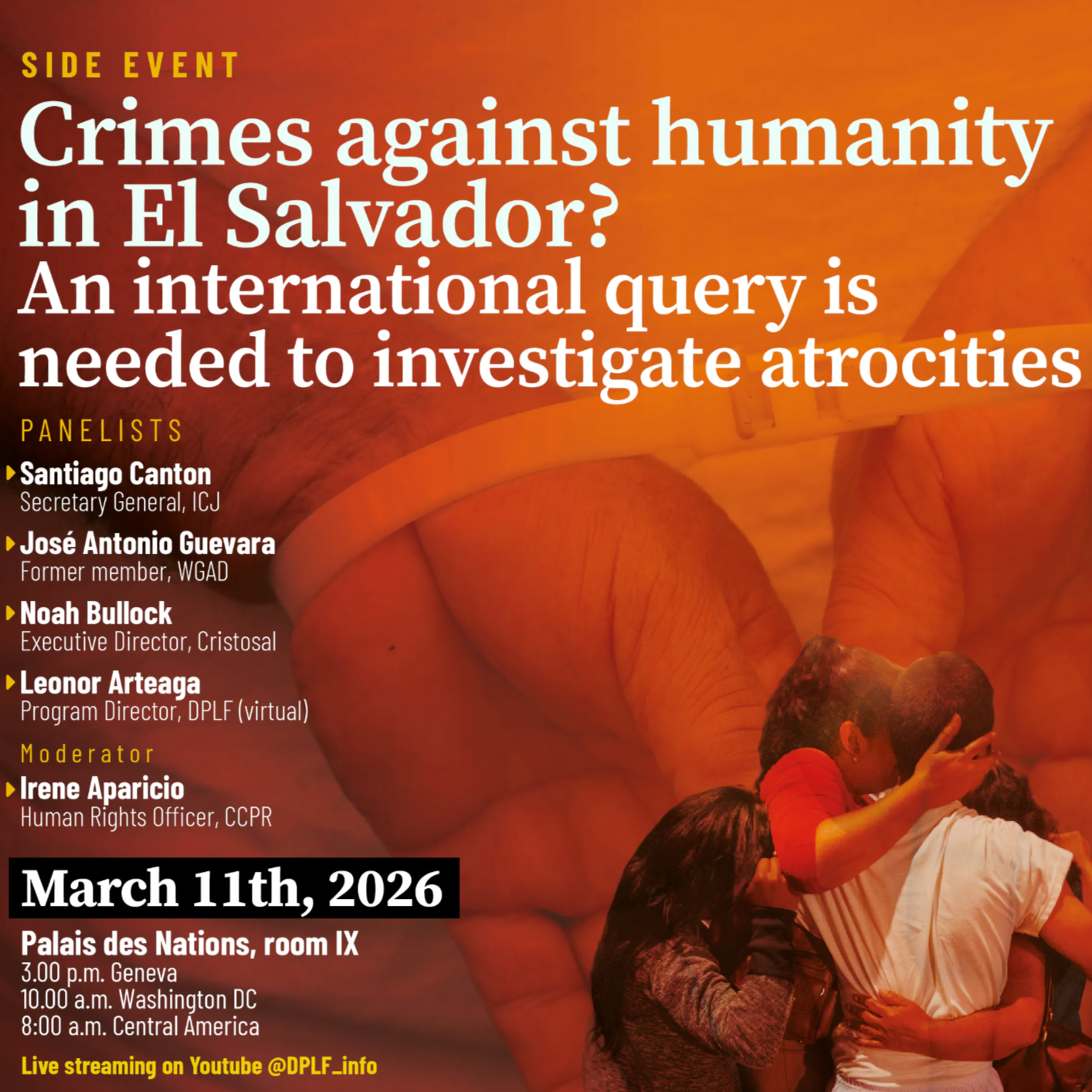
Crimes against humanity in El Salvador? An international query is needed to investigate atrocities - side event at March 11, 2026 UN Human Rights Council Session
Supported by civil society, a group of independent international law and human rights experts (The International Group of Experts for the Investigation of Human Rights Violations in the Context of the State of Emergency in El Salvador – GIPES [for its initials in Spanish]) was convened to investigate whether systematic abuses being carried out under the State of Exception public security policy in El Salvador –including torture, sexual violence, enforced disappearances, and extrajudicial executions– are indeed crimes against humanity.
On March 11, 2026, at a side event to the United Nations Human Rights Council session, members of the Group and civil society presented the Group of Experts initiative, their research findings and legal analysis, and other key information about the ongoing State of Exception and its impact in El Salvador.
The invited speakers were Leonor Arteaga, Program Director at DPLF; Santiago Canton, ICJ Director and GIPES member; José Antonio Guevara, former WGAD President and Group member; and Noah Bullock, the Executive Director of Cristosal. Irene Aparicio of CCPR moderated the panel discussion.
This side event was hosted by the Centre for Civil and Political Rights (CCPR), Cristosal, Due Process of Law Foundation (DPLF), InterJust, International Commission of Jurists (ICJ), International Federation for Human Rights (FIDH), Redress, Rights & Security International.
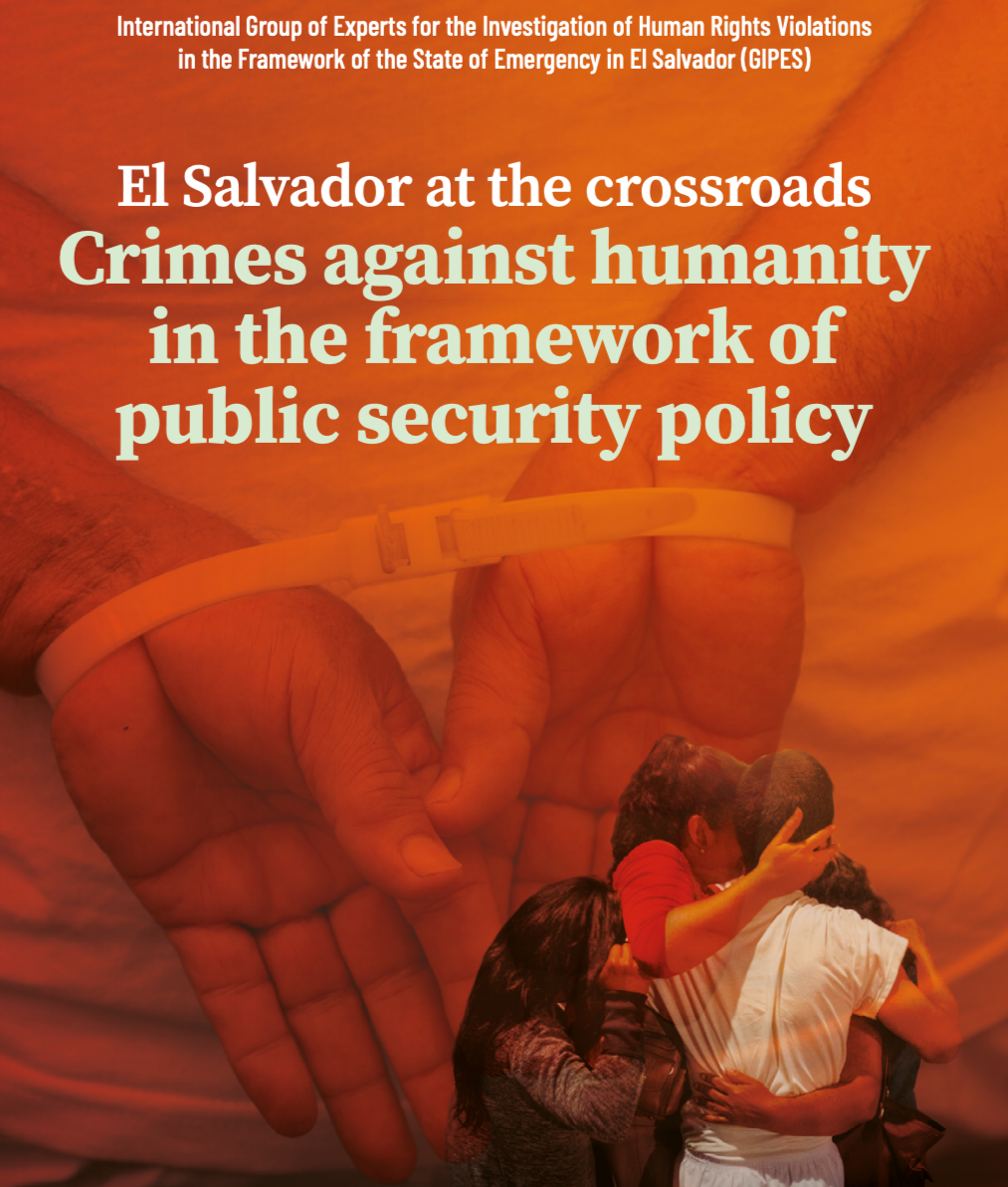
El Salvador at the Crossroads: Crimes against Humanity under the Public Security Policy - Due Process of Law Foundation, et al.
An international panel of legal experts has concluded that serious human rights violations committed under El Salvador’s ongoing state of emergency may constitute crimes against humanity. The report examines allegations including arbitrary detention, torture, enforced disappearances, sexual violence, and persecution carried out as part of the government’s security policy since March 2022. Beyond documenting abuses, the study argues that the prolonged state of exception has weakened democratic safeguards, eroded separation of powers, and concentrated authority within the executive branch. The report also calls for independent case review mechanisms and greater international accountability efforts. For ISSE, the findings highlight the long-term institutional risks posed by entrenched emergency governance.
United States – Temporary Protected Status Termination Cases Test the Limits of Executive Power and Due Process
The Supreme Court of the United States will soon hear challenges to the termination of Temporary Protected Status (TPS) for Syria and Haiti, cases that sit squarely within ISSE’s core concern: the use of exceptional or emergency-adjacent authority without meaningful procedural constraint. At issue is whether the Department of Homeland Security can rely on broad assertions of “national interest,” or must conduct a genuine, evidence-based assessment of country conditions as required by statute. Lower courts have already identified procedural failures and, in some instances, evidence of predetermined outcomes. With more than one million TPS holders affected, the stakes extend far beyond immigration policy. The Court’s decision will help determine whether executive power, when operating in the space between routine governance and exception, remains subject to enforceable legal limits.
One Emergency After Another - Lawfare
A surge in executive “emergency” actions is reshaping the balance of power in the United States. This analysis finds that the scale, pace, and scope of recent emergency orders, particularly outside traditional frameworks like International Emergency Economic Powers Act (IEEPA), are historically unprecedented and increasingly directed toward domestic policy goals. The use of declarations such as the “National Energy Emergency” illustrates how emergency authorities can be leveraged to bypass Congress and statutory constraints. With legislative checks weakened since INS v. Chadha and judicial review often limited, meaningful oversight is increasingly difficult. The piece from Lawfare argues that courts may need to adopt more searching review to prevent the normalization, and weaponization, of emergency powers.

Republic of Estonia Government Office announces ILVES 2026 (LYNX 2026), one of Estonia’s largest crisis exercises
Estonia will conduct ILVES 2026, a nationwide crisis-management exercise from June 8–12 involving more than 130 public, private, and civil society organizations. The exercise is designed to test coordination, decision-making, and the continuity of essential services during complex crisis scenarios, including hostile state influence, public disorder, and infrastructure disruptions. Activities will include simulations of evacuations, emergency response, and information-sharing processes. The exercise is part of Estonia’s regular preparedness framework under its Emergency Act and does not indicate an imminent threat. Overall, ILVES 2026 aims to strengthen national resilience through coordinated, whole-of-society crisis response.
US/El Salvador: Deportees Forcibly Disappeared - Human Rights Watch
A Human Rights Watch report finds that some Salvadorans deported from the United States within the last year have been detained in El Salvador without access to lawyers, families, or courts, raising concerns about enforced disappearance. The report links these cases to El Salvador’s ongoing state of emergency, which has suspended key due process protections. Many families report being unable to determine the whereabouts or legal status of detained relatives. Authorities in both countries have provided limited transparency, while judicial and oversight mechanisms have offered little recourse. The findings highlight the risks that arise when deportation policies intersect with emergency governance frameworks.

US Allies in the Middle East Use Emergency Powers During Iran Conflict
The US/Israel–Iran war is already reshaping governance across the Middle East, not only through battlefield outcomes but through the expanded use of emergency powers. This analysis by ISSE Senior Fellow Paul Shaya examines how Israel, Jordan, and Lebanon are leveraging crisis conditions to enact political and institutional changes that extend beyond immediate security needs. In Israel, wartime procedures have enabled the passage of controversial legislation under reduced scrutiny, raising concerns about democratic oversight. Jordan has used the conflict to tighten restrictions on speech, media, and public assembly, reinforcing existing limits on civic space. Lebanon, by contrast, has invoked extraordinary measures to challenge Hizballah’s parallel authority and reassert state sovereignty. Together, these cases illustrate a broader pattern central to ISSE’s work: emergencies can create openings for durable shifts in governance that may outlast the crises that justified them.