
The long coup: how decree-laws rewired the Turkish state
The long coup: how decree-laws rewired the Turkish state
Journal: New Perspectives on Turkey. New Perspectives on Turkey (NPT) is a peer-reviewed social science journal published biannually. The aim of the journal is to provide an intellectual platform for scholarly debates and ideas relating to the history, politics, society, economy and culture of Turkey and the Ottoman Empire. In addition to research directly concerned with Turkey and the Ottoman Empire, comparative perspectives and theoretical contributions relevant to such research are also actively solicited. NPT publishes articles, book reviews, review articles, commentaries and reports on conferences. More on the journal can be found here.
Date of Publication: September 21, 2026.
Author: Özgür Salmanoğ. Salmonoğ is a Postdoctoral Researcher at the Institute of Political Science and Sociology at the University of Würzburg in Germany. More on Salmonoğ can be found here.
The article can be found here, and a PDF is found here.
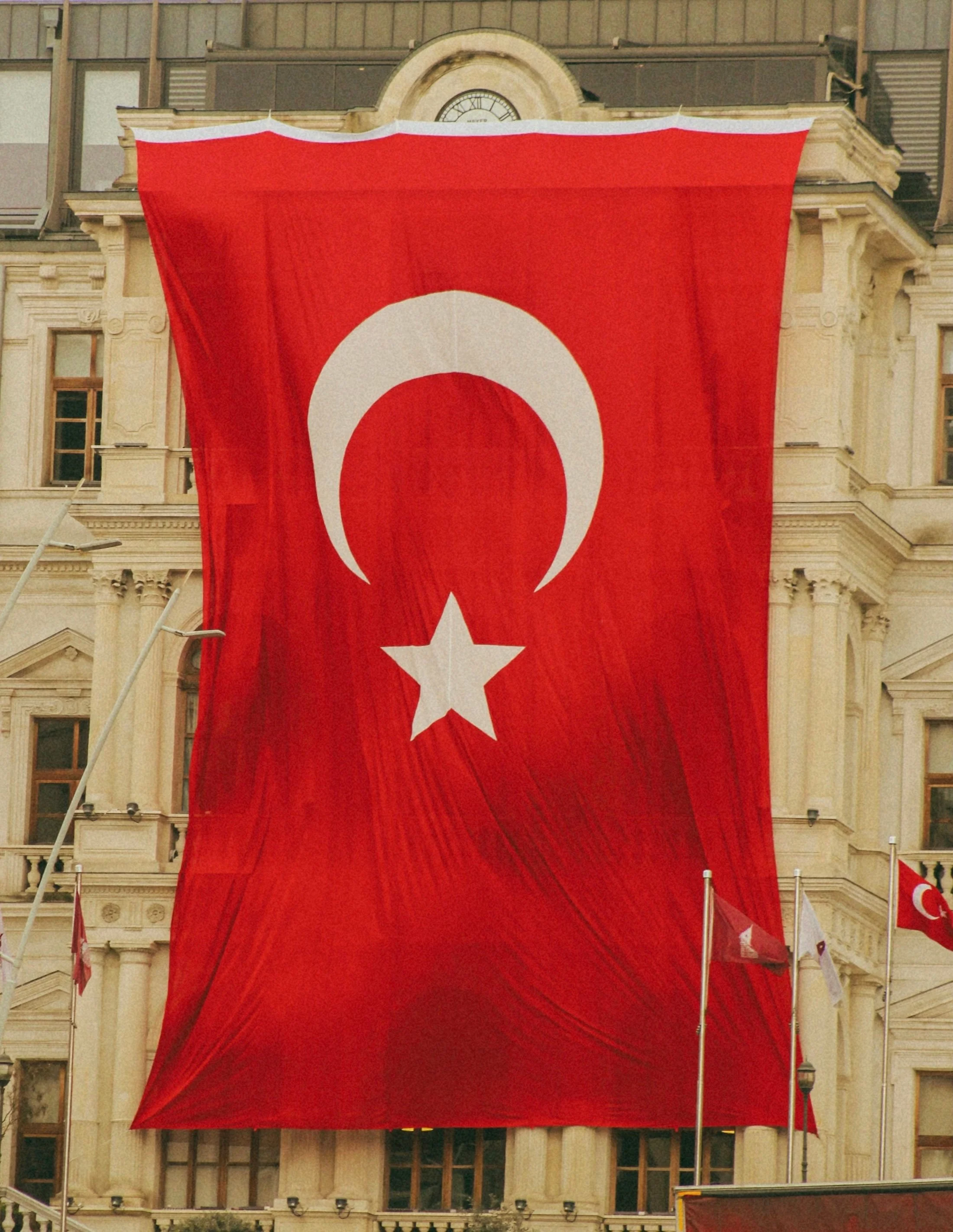
Photo by feyza ebrar on Pexels.
Abstract: This article examines how the Turkish government used executive decree-laws (Kanun Hükmünde Kararnameler; KHKs) during the 2016–2018 state of emergency declared in the aftermath of the failed coup attempt of July 15, 2016. While existing literature often treats executive aggrandizement as a symptom of democratic backsliding, this study focuses on how it was institutionally implemented through legal instruments. Drawing on qualitative content analysis of thirty-seven KHKs, thirty-two emergency and five ordinary, the article shows how these decrees enabled the government to bypass legislative and judicial oversight, marginalize rivals, and restructure key state institutions. The analysis is guided by three interrelated theoretical lenses: populism; competitive authoritarianism; and neo-patrimonialism. Rather than responding solely to security threats, the KHKs functioned as tools of regime change, allowing the executive to consolidate power through formal legal means. The article contributes to the study of autocratization by demonstrating how legal mechanisms under emergency rule can be used to entrench autocratic governance. It offers a typology of decree-law functions in Turkey’s post-coup period and highlights the role of executive lawmaking in the long-term reordering of state authority
Why ISSE Is Recommending This Article: ISSE is recommending this article because it provides a particularly clear case study of how emergency powers can move beyond responding to an immediate crisis and become instruments for permanently restructuring the state. Examining all thirty-seven decree-laws issued during Turkey's 2016–2018 state of emergency following the failed coup attempt, Özgür Salmanoğ traces how exceptional executive lawmaking was used to bypass ordinary legislative and judicial constraints, marginalize political and institutional rivals, alter the conditions of political competition, and transfer authority toward an increasingly personalized presidency. Particularly important for the study of states of exception is the article's attention to the mechanism of transformation: emergency rule did not simply suspend ordinary governance temporarily, but supplied legal instruments through which changes initiated under exceptional conditions could become embedded within the post-emergency institutional order. The Turkish experience therefore offers a powerful example of how a formally temporary state of emergency can serve as a bridge between crisis governance and durable changes in the distribution and exercise of political power.
